Strait of Hormuz remains a source of leverage for Iran
Since the Iran war began, attacks on commercial ships in the Strait of Hormuz have endangered crews and raised shipping costs. Experts say Iran's main constraint is economic rather than military.
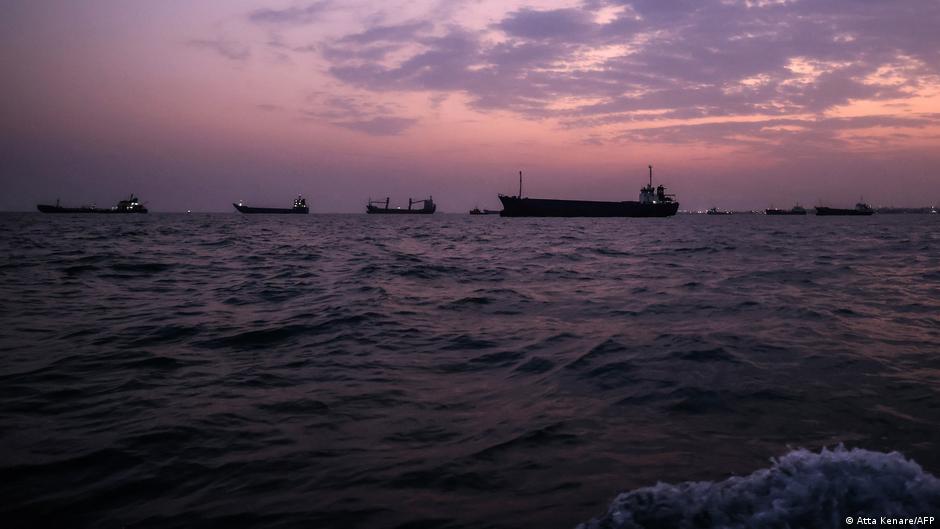
Attacks on commercial vessels in the Strait of Hormuz, the key waterway linking the Persian Gulf with the Gulf of Oman, have put crews at risk of death and injury since the Iran war began. Shipping companies must decide whether to attempt the passage or delay cargoes and bear higher costs. Merchant ships continue to use the strait, but how long that lasts depends partly on Iran's ability to sustain attacks and on the United States' capacity to protect shipping and absorb the cost.
Iran's constraints
Ali Mohammadi, a France-based expert on Iranian affairs, believes Iran's geography and equipment allow it to keep attacking ships. He sees the economic burden of the war as Tehran's main limit, since continuing the conflict significantly affects its economy. How long Iran can keep up attacks is unclear, as there is little reliable information about its weapons stocks and ability to replenish them. Sporadic attacks also differ from a full closure of the strait, which Mohammadi said would not be sustainable because of high political costs: Iran cannot indefinitely disrupt its allies' access. By threatening shipping, Iran can raise the cost of confrontation and seek leverage in negotiations, though success is not guaranteed.
Traffic recovering, but slowly
The weekly report of the UK Maritime Trade Operations Center (UKMTO), released on November 6, counted 325 transits between October 29 and November 4, up about 17% from 277 the week before. UKMTO assessed that this is still roughly 65% below pre-war levels.
Dalga Khatinoglu, an expert on Iran's energy and macroeconomics, said Middle Eastern crude exports across all routes have largely returned to pre-war levels and in some weeks of September and October exceeded them. Refined petroleum product exports, however, have roughly halved from about 6.2 million barrels a day. Liquefied natural gas exports from Qatar and the UAE were about 10% below pre-war levels as of September.
Higher costs
Shipping and insurance costs remain very high. Citing OPEC figures, Khatinoglu said average freight rates for a large tanker carrying crude from the Middle East to East Asia rose about 12-fold, from $3.18 per barrel at the start of the year to $37.13 at the end of October. Both experts argue a US military presence alone will not fix the problem; Mohammadi says the only solution is an end to the war with a lasting security agreement.