ICE bars staff from wearing Meta glasses on the job, internal memo says
US Immigration and Customs Enforcement has told employees they may not wear Meta smart glasses while working, citing risks of unintentionally recording or transmitting sensitive information. The warning follows multiple sightings of ICE and Border Patrol agents wearing the devices in the field.
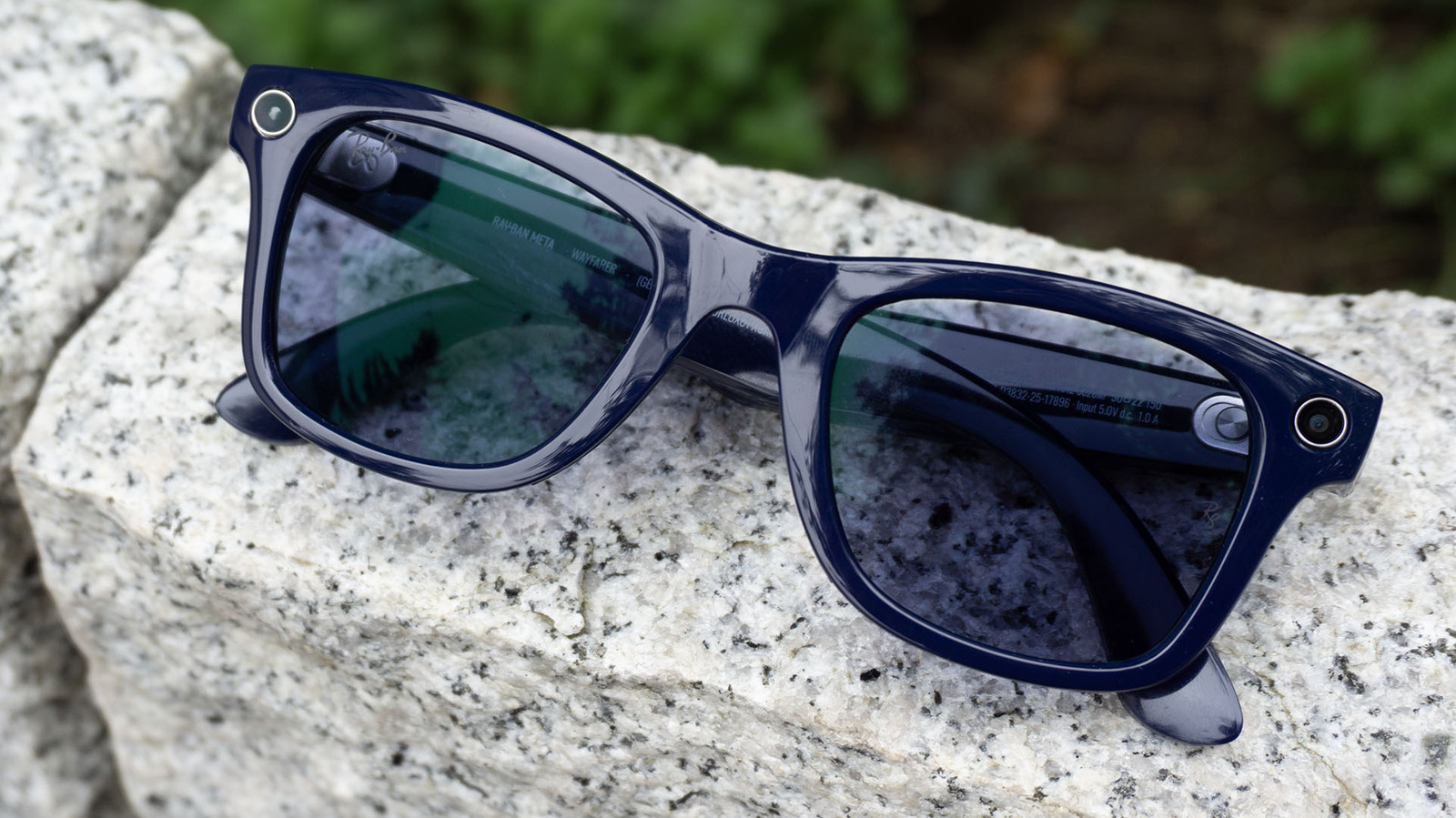
US Immigration and Customs Enforcement (ICE) has sent staff an internal memo stating that Meta smart glasses, or similar devices, may not be worn while on duty. According to The New York Times, the memo warns that such devices could unintentionally capture, record or transmit sensitive information, potentially compromising privacy and legal protections.
The restriction reportedly applies agency-wide, covering all ICE employees rather than only agents working in the field. A Department of Homeland Security spokesperson told The NYT that personally owned body-worn cameras have "always" been off-limits for staff, suggesting the memo may simply restate an existing rule rather than introduce a new one.
A pattern of sightings
Over the past several months, ICE and Customs and Border Protection (CBP) agents have repeatedly been seen wearing Meta's smart glasses despite the policy. In one case reported by 404 Media, a CBP agent was observed recording with the glasses. In another, a Border Patrol member wore a pair during an immigration raid. An investigation by The Independent identified similar sightings in at least six states.
Even as it tells staff to avoid using consumer smart glasses on duty, DHS is reportedly pursuing its own version of the technology. Budget documents reported by independent journalist Ken Klippenstein indicate ICE hopes to equip officers with custom-built smart glasses featuring biometric identification capabilities as soon as next year.
Meta has not publicly said whether it considers its glasses suited for law enforcement use, but an association with ICE is unlikely to help the product's image. The company is already facing growing criticism over the glasses, including concerns about an unreleased facial recognition feature and reports that the device's privacy-protecting recording indicator LED can be easily bypassed.