Internal documents suggest DPD temporary workers may have missed sick pay and pension entitlements
Internal records from courier firm DPD show costs for thousands of temporary workers with no sick pay or pension contributions included, raising questions about possible employment law breaches. DPD says agencies, not the company, are responsible for these statutory payments.
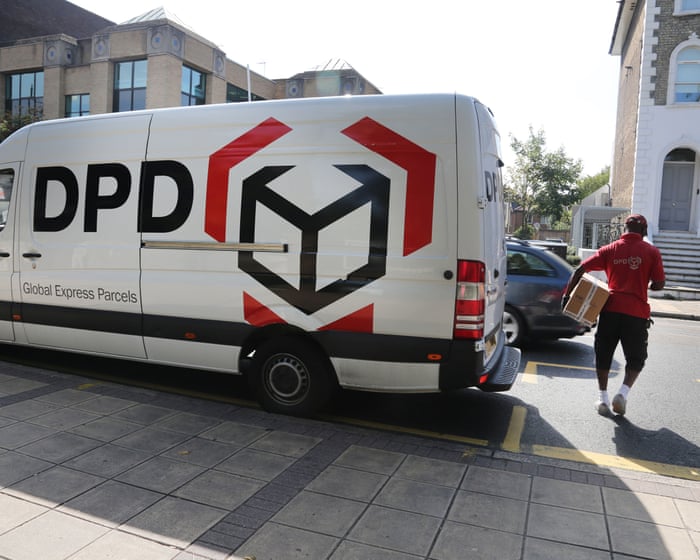
The Guardian has reviewed internal documents from DPD, one of the UK's leading courier companies, indicating that low-paid temporary workers may have missed out on entitlements to sick pay and pension contributions.
The records, which detail costs for more than 3,000 temporary workers over the past two financial years, include hourly pay rates, holiday pay, employer's national insurance contributions and a margin for the recruitment agency — but no figures for sick pay or pension contributions appear anywhere in the calculations.
Experts say this gap suggests one of several possibilities: workers were not paid what they were owed, they were discouraged from taking sick leave, or they were moved off assignments before reaching the point where pension contributions would become due.
Zoë Lagadec, a principal at employment law firm Mulberry's, said the situation raises questions about whether workers are actually receiving statutory sick pay, or whether they are being rotated out of roles before completing 12 weeks of service specifically to avoid triggering pension obligations.
Such practices, if confirmed, would breach employment law on the part of the recruitment agencies and appear to conflict with guidance from the Association of Labour Providers, which states that large brands and retailers bear responsibility for ensuring labour providers in their supply chains are paid rates that fully cover legal employment costs.
DPD, wholly owned by France's La Poste, describes itself as one of Europe's leading parcel groups, employing more than 15,000 people, operating over 10,000 vehicles from 84 locations, and delivering more than 260 million parcels annually. Its client list has included John Lewis, Marks & Spencer and Amazon.
DPD said its commercial arrangements with agencies allow them to meet their statutory obligations and are benchmarked against industry competitors. The company noted that under UK employment law, recruitment agencies act as the primary employers of agency workers, meaning responsibility for administering statutory sick pay and pension auto-enrolment sits with the agencies rather than DPD.
The disclosure comes as the industry watches how the newly formed Fair Work Agency, which consolidates several previous enforcement bodies, will use its powers to enforce workers' rights.

/nginx/o/2026/07/31/17818514t1h5aca.jpg)
