Estonian plan to scale back occupational health checks draws pushback
Estonia's Ministry of Social Affairs is proposing a more targeted approach to occupational health checks instead of uniform screening for all workers. Occupational health providers, physicians and employers have criticized the draft.
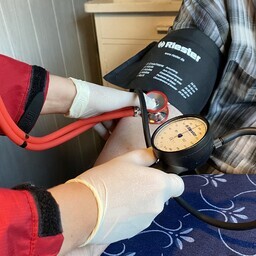
A working draft from Estonia's Ministry of Social Affairs would change how occupational health checks are carried out, and it has drawn criticism from specialists in the field and from employers. The ministry wants checks tied more closely to specific workplace risks, while occupational health doctors and an employers' body argue that the role of occupational healthcare should be expanded instead.
What would change
At present, employers in Estonia generally must send new employees to an occupational health doctor within their first four months on the job, with follow-up checkups typically every three years. The draft, shaped by almost a year of discussions involving some 20 stakeholder groups, proposes a more targeted approach.
Kristel Plangi, a project adviser at the ministry's Department of Health Services, said the aim is to avoid duplicating services, not to reduce the role of occupational health. According to her, studies show that simply conducting more checks, or the same checks for everyone, does not automatically improve health outcomes. The ministry maintains that how often employees are checked should be set according to evidence on specific workplace risks.
Objections from the field
Ulla Ilisson, a board member of the Estonian Association of Occupational Health Service Providers (ETTOL), said the plan would further narrow a service that is already underused for prevention, even though all working groups agreed its role should grow. Evelyn Aaviksoo, a board member of the Estonian Society of Occupational Health Physicians (ETTAS), said the draft puts too much emphasis on workplace hazards and undervalues regular checkups. She also argued that occupational health doctors should be able to order further tests or e-consultations themselves, rather than sending patients back to family doctors.
Marja-Liisa Alop, who heads the healthcare working group at the Estonian Employers' Confederation (ETK), noted that under the current system occupational health doctors can refer patients directly to specialists, but patients must pay for those visits themselves. She also pointed to stagnant healthy life expectancy in Estonia and labor shortages.