Võro Language Week in Estonia to feature Minecraft, Zumba and a film marathon
Võro Language Week, celebrating the regional language of southeastern Estonia, begins Monday with events held in Võro. The program includes a Minecraft session, a Zumba class and a film marathon.
A week of events conducted in the Võro language begins Monday in southeastern Estonia. Võro is a regional language spoken in the southeastern part of the country, and the week's program ranges from gaming and fitness to film screenings.
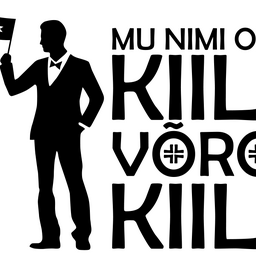
This year's theme is "Mu nimi om kiil. Võro kiil!" ("My name is Language. The Võro Language!"), a nod to the famous James Bond catchphrase. It highlights the role of language as an element of identity. Organizers say keeping Võro alive means not only speaking it but also adapting it to modern use.
Minecraft and Zumba
After years of translating Minecraft terminology, the popular game can now be played in Võro. Hipp Saar will lead a group gaming session at Kagukeskus in the town of Võru.
The week will also include what organizers describe as the world's first Zumba class in Võro. Project manager Kadri Laube said the goal is to attract around 100 participants. She said the aim is to show that all kinds of activities can be carried out in one's own language too. The class will also spotlight music by local artists.
Events across the region
Kindergartens, schools, libraries and community centers will host talks, a trivia night, a folk music sing-along, book and album launches, and a kindergarten art exhibition at the local Maksimarket. A film marathon at Varstu Cultural Center in Rõuge Municipality will offer nearly 10 hours of screenings showcasing Võro language and culture. The Uma Laul song contest will feature new Võro-language music by leading songwriters.
The week ends Sunday with a concert by Ummamuudu at Mõniste Community Center in Mehka.
Laube encouraged people to use the week to think more consciously about their language and everyday habits. In her words, every small step toward remembering the language of one's childhood or ancestors is a big step toward keeping the language and culture alive.