In Estonia, most salmonellosis cases in 2025 required hospitalization
Estonia reported 113 salmonellosis cases in 2025, with 75 requiring hospital care. Health officials warn of severe complications and provide prevention tips.

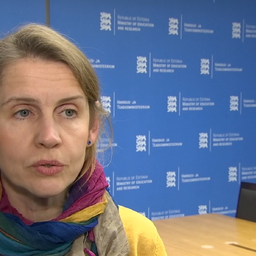
Estonia has recorded 113 cases of salmonellosis in 2025, of which 75 patients needed hospitalization. Jevgenia Epstein, Chief Specialist of the Infectious Disease Epidemiology Department at the Health Board, emphasized that salmonellosis is not a simple food poisoning but a dangerous infection that can be very severe. Severe diarrhea and vomiting can lead to serious dehydration and the need for hospitalization, even in young and previously healthy individuals.
In some cases, the infection spreads from the intestines into the blood and other organs, causing life-threatening sepsis. Some patients may develop reactive arthritis with joint pain and inflammation, which can persist for months or years and become chronic. Rarely, salmonellosis can be fatal. According to the Health Board, from 2009 to July 20, 2026, a total of 11 deaths related to salmonellosis were registered in Estonia. Specialists note that the infection was not always the sole cause of death—it could be the main factor or worsen the patient's condition.
Kadi Carmen Kaldma, Chief Specialist of the Scientific Advisory Department at the Agriculture and Food Board, explained that salmonella bacteria most often enter the body through contaminated food, water, or dirty hands. Salmonellosis is commonly linked to raw or undercooked poultry meat, eggs, unpasteurized milk, and products made from them, but the bacteria can also contaminate plant-based foods such as fruits and vegetables through water, soil, or during processing. Kaldma stressed that freezing and drying do not kill salmonella bacteria. Therefore, it is important to wash hands, fruits, and vegetables; avoid cross-contamination between raw and cooked foods; follow package instructions; and thoroughly cook food.
Jevgenia Epstein noted that each year, some of the registered salmonellosis cases in Estonia are related to foreign travel. Travelers should maintain hand and food hygiene, use safe drinking water, and prefer cooked food.
Food preparation rules: maintain cleanliness, wash hands and surfaces; keep cooked food separate from raw, use different cutting boards and knives; use clean water and fresh ingredients; cook food thoroughly; store food at safe temperatures. Seek medical help by contacting a family doctor or calling 1220 if: severe diarrhea or vomiting lasts more than two days; high fever or rapid deterioration; unable to keep fluids down due to vomiting with signs of dehydration (low urine output, dry mouth, severe weakness, dizziness, lethargy); the patient is a young child, elderly, pregnant, or immunocompromised. In case of altered consciousness, fainting, difficulty breathing, or other life-threatening conditions, call 112.