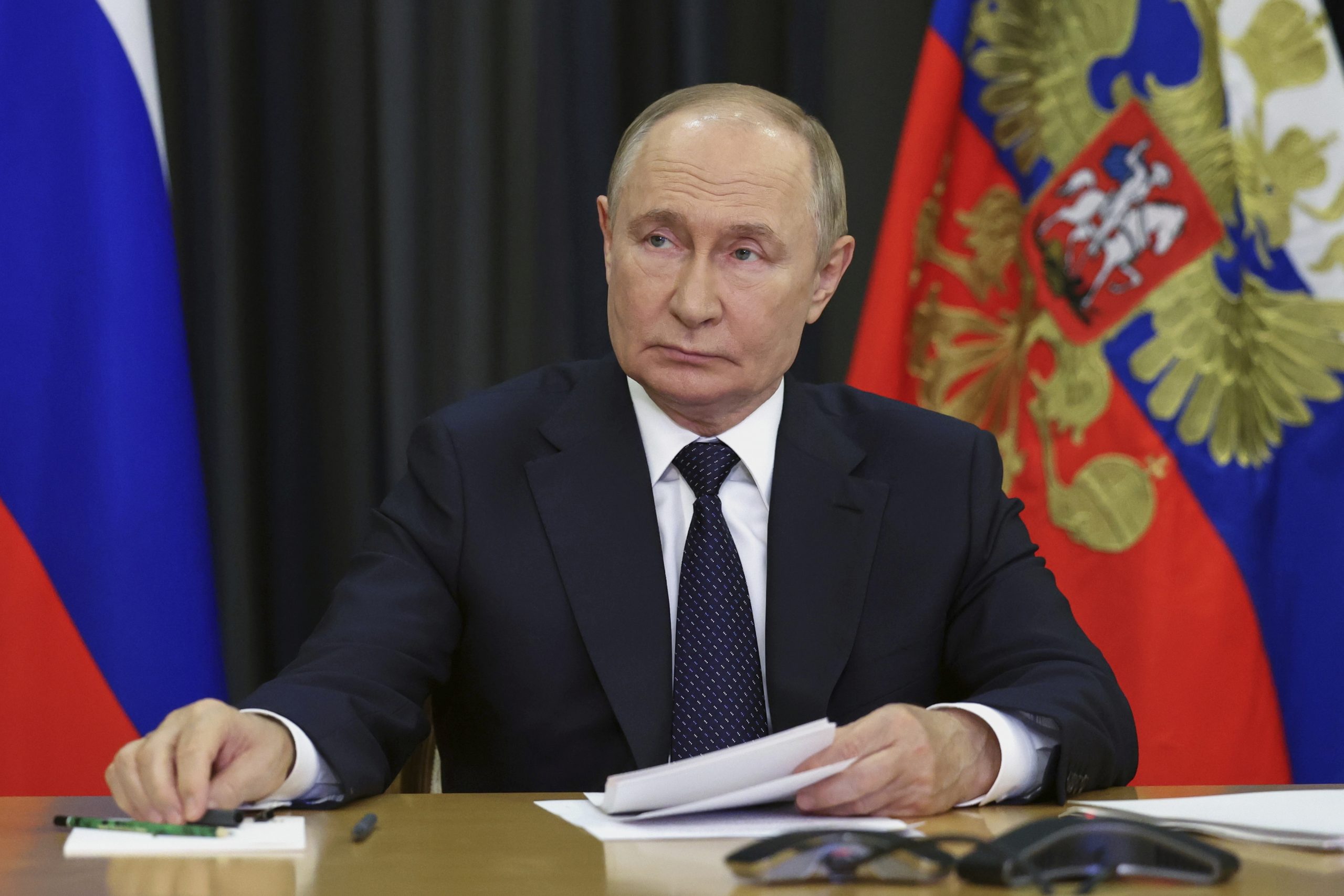
Estonian officials clash over defence property accounting failures
Former Defence Forces deputy commander Veiko-Vello Palm accused Defence Minister Hanno Pevkur and others of failing to fix long-standing property accounting problems in a public broadcast debate, while Pevkur blamed the Defence Forces and the defence investment centre RKIK.
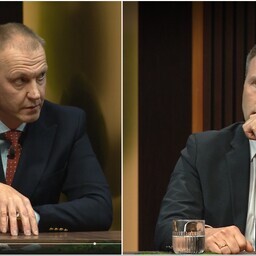
A heated debate broke out on Estonian public broadcasting between former Defence Forces deputy commander Veiko-Vello Palm, Defence Minister Hanno Pevkur, and State Auditor Janar Holm over unresolved accounting problems concerning defence property.
Palm, who has worked in the private sector for the past two years, acknowledged that Pevkur was partly right in saying the issues already existed while Palm himself served as deputy commander. He explained that around 2021 state accounting rules changed, expanding requirements that previously covered only fixed assets to all property, including ammunition and other military stock.
Two systems, two languages
According to Palm, the accounting system and the Defence Forces' warehouse system effectively spoke "different languages" — the accounting records showed one set of data while the warehouse system showed another, making reconciliation difficult given roughly 200 million individual items. He stressed that the Defence Forces know precisely where every shell and missile is located.
State Auditor Holm noted that the State Audit Office itself had proposed the rule change, which was also approved by the finance minister, and called it a reasonable step, though it might have been introduced too abruptly and could have been better prepared.
Palm insisted it was unacceptable that the problem remained unresolved two years later, and placed significant responsibility on Pevkur, who was defence minister at the time. Pevkur pushed back sharply, arguing that responsibility for the accounting failures lies with the Defence Forces' J8 and J4 units and with the Defence Investment Centre (RKIK), not the ministry.
The discussion also touched on an ammunition deal with the company Datasel meant to support Ukraine, where Palm admitted the process was not well structured and led to missing documentation, while Pevkur defended the confidentiality requirements, citing security concerns for the companies involved.