Estonia and Latvia at odds over wind farm on the border
A hybrid wind and battery park is being built in northern Latvia right at the Estonian border, with nearby Estonian villages bearing the greater impact. Estonia's Mulgi Municipality tried to challenge it in a Latvian court and lost.
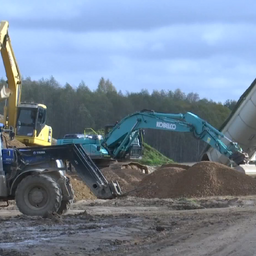
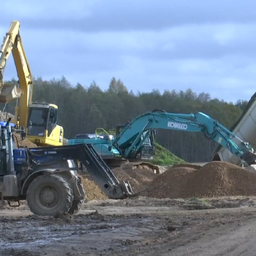
A hybrid wind farm under construction in northern Latvia, directly on the border with Estonia, is creating tension between the two countries, with nearby Estonian villages feeling most of the impact. The Lode Hybrid Park is being built by the company Utilitas Wind and is the first wind farm built right on the border.
Scale of the project
The park will have 18 wind turbines and battery storage, in a project worth €200 million. Earthworks are underway near Arakste, where the first foundations have been poured and equipment ordered. Electricity generation is expected to begin in about a year, with full completion planned for the first half of 2028. Utilitas also hopes to add four turbines on the Estonian side.
Utilitas Group CEO Priit Koit said the batteries can deliver 60 megawatts of power for four hours. He explained that the complex is connected to the third Estonian-Latvian power link, so electricity can flow in either direction depending on demand. The company chose the site largely because of that connection.
Einars Cilinskis, parliamentary secretary at Latvia's Ministry of Climate and Energy, said up to €300,000 a year will go to the municipality and local residents.
Traffic and opposition in Estonia
On the Estonian side, around 100 heavy trucks a day will pass through the normally quiet village of Penuja over the next six months, hauling sand and gravel from Estonia. New speed limit signs have been put up, but a road originally meant to support tourism is now mostly used by construction traffic. Resident Reet Paju said relations with the developer are good, but some residents object; having had no say in the decision, they feel they must accept it.
Mulgi Municipality tried to challenge the project in a Latvian court but lost, because Estonian local governments have no standing to appeal decisions made by Latvian ones. Mulgi Mayor Imre Jagomäe stressed that the concern is broader than Lode: eight potential turbine sites are under consideration in his municipality, two projects in neighboring Saarde Municipality, and a development is planned in Ipiķi on the Latvian side. In his view, that is too many wind farms for the area.
With the municipality's support, the nonprofit Looduse ja Inimeste Eest is conducting environmental studies on birdlife, bats and ecological coherence. Lode is expected to produce enough electricity for the annual needs of 110,000 households.