Former Estonian NATO envoy faults US for letting Russia raise European security demands
Jüri Luik, Estonia's former ambassador to NATO, says it is troubling that the U.S. has let Russia put forward demands on European security alongside Ukraine peace talks. He urges caution, as the reports of such demands rest on a single publication.
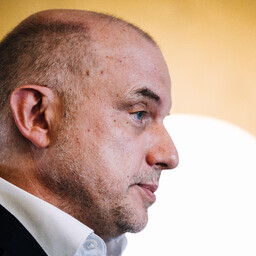
Jüri Luik, Estonia's former ambassador to NATO and former foreign and defense minister, has said it is troubling that the United States has allowed Russia to make demands about Europe's security order in parallel with Ukraine peace talks. Luik is a candidate of the Isamaa party in next spring's elections to the Riigikogu, Estonia's parliament.
What Bild reported
The German newspaper Bild reported on Friday that Moscow wants a new European security order. It would force Finland out of NATO, require the alliance to dismantle its military bases in Estonia, Latvia and Lithuania, and turn Moldova into a federation. Citing sources close to Russian President Vladimir Putin, the paper said the peace plan originated in his inner circle, according to Finnish public broadcaster Yle.
Luik urged caution and said the details need clarification. He noted that Kremlin spokesperson Dmitry Peskov has denied the claims. Apart from the Bild article, Luik said, he currently has no other sources confirming that such demands were made.
The real problem: the negotiating format
The bigger issue, in Luik's view, is Washington's decision to discuss Europe's security arrangements alongside a potential Ukraine peace deal, even though European countries insist that a peace agreement should come first. He said Russia has thereby been put in a position where it can make demands at all. In practice, Ukraine's future and Europe's security arrangements are now being discussed in parallel, which he called bad.
Luik also questioned the experience of the U.S. administration and its negotiators in dealing with Moscow. In his words, they do not seem to attach much importance to historical baggage or to Russia's actions in recent years, including its massive war, and appear to treat the talks as a kind of technical or market bargaining. European countries must not become victims of such bargaining, he said.
If Europe does join the negotiations, Luik argued, its representatives should hold a clear EU mandate and remain accountable to member states. He cited Estonia's support for European Council President Antonio Costa and EU foreign policy chief Kaja Kallas, who are formally required to report to member states on their work in the talks. "The question isn't who is physically sitting at the table, but whether they answer to us as European countries, including Estonia," he said.