Estonian experts: Europe's sabotage attacks have become full-scale terrorism
Following a series of arson attacks in Germany, Poland and Estonia, security experts warn that Russia's hybrid activity in Europe has turned into terrorism and urge readiness for further sabotage this autumn and winter.

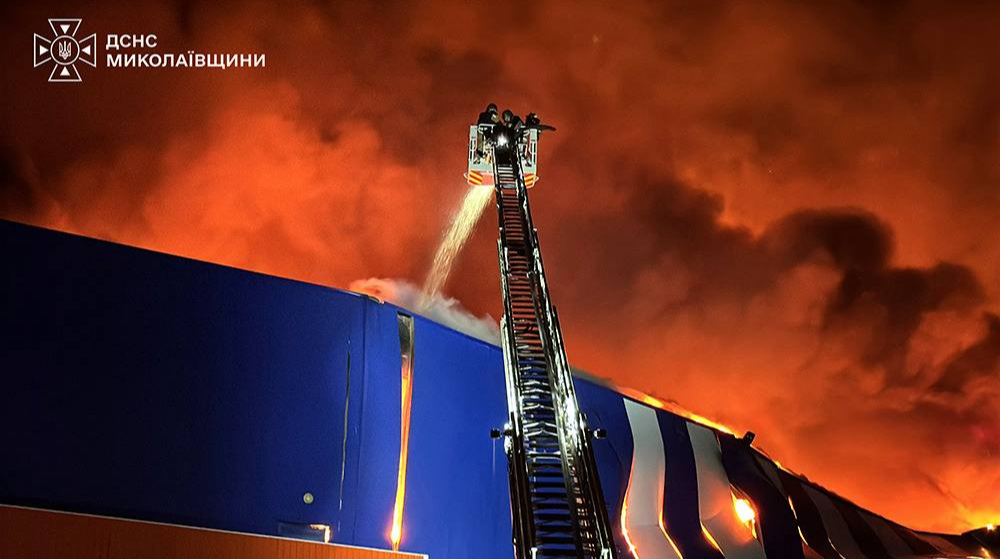
Since September, four infrastructure arson incidents have occurred in Germany and Poland. In August, a drone loaded with explosives was found at Leipzig airport, and Germany officially stated that Russian structures were behind the attempted attack. Russia denies the accusations, claiming Berlin is using them for political purposes.
This week four acts of sabotage targeting defense enterprises and infrastructure facilities took place across Europe. There is no evidence yet linking Russian intelligence services, but the method appears similar in all four cases. Estonian specialists believe that throughout autumn and winter, readiness for various sabotage acts is needed, including in Estonia itself — especially after an August arson attack on the defense industry company Milrem Robotics in Tallinn.
Former Estonian Internal Security Service head Arnold Sinisalu stated that these are no longer hybrid actions but full-scale terrorism directed against Western states and countries supporting Ukraine.
Russian losses and front-line situation
According to the Ministry of Defence, in August this year Russia occupied up to 90 square kilometers of Ukrainian territory, losing more than 42,000 troops killed and wounded in the process. By comparison, in August last year Russia seized about 460 square kilometers while losing around 29,000 troops. This shows Russia has failed to increase its rate of territorial gains despite intensified attacks.
Gert Kaju, head of the Ministry of Defence's combat readiness department, noted that the more intense Russia's hybrid activity against Europe becomes, the more it signals desperation — unable to succeed in Ukraine with available means, Russia is seeking to undermine the unity of states supporting Ukraine.
Both Estonian and other European security services are working on this problem. Sinisalu said organizing such attacks is not particularly complicated in principle. The Foreign Intelligence Service has not yet commented publicly. Sinisalu added that those responsible for preventing such crimes work out of public view, so adversaries cannot know in advance what countermeasures will look like.