Estonian opposition lawmaker says Turkish armoured vehicle deal cost Estonia closer cooperation with allies
Estonia is debating the servicing and spare parts of Turkish Arma armoured vehicles bought in 2023. Defence Minister Martin Herem sees no problems, while MP Meelis Kiili says the country lost a chance for closer cooperation with allies.
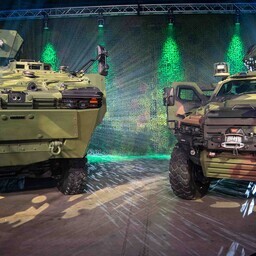
Estonia is facing criticism over its 2023 purchase of armoured vehicles from Turkey. Experts say the country missed an opportunity to take part in joint defence cooperation with neighbouring states. For now, Estonia has no maintenance base for the Turkish-made equipment, and the spare parts do not fit the vehicles already in service.
Terms of the purchase
Last winter, the Kuperjanov Infantry Battalion began training on six-wheeled Arma armoured vehicles supplied by Turkish manufacturers. The purchase was made in 2023, when the companies Otokar and Nurol Makina won a tender worth 200 million euros. Estonia received 230 armoured vehicles in total. Martin Herem, then commander of the Defence Forces, said the decisive factors were a favourable price and fast delivery times.
Herem is now defence minister. He says the vehicles draw no more quality complaints than other equipment used off-road, and that there are currently no serious problems in the units. According to him, there have been no problems with spare parts deliveries so far, and a tender for maintenance services for the vehicles has already been held.
Criticism of lost cooperation
By buying from Turkey, Estonia dropped out of a joint project with neighbouring countries to acquire Finnish Patria armoured vehicles. Meelis Kiili, a member of the Riigikogu (Estonian parliament) national defence committee, argues that the country lost the chance to cooperate more closely with allies and to take part in developing and producing the equipment. He says Estonia handed that advantage to Latvia, which stayed in the project, has produced 42 armoured vehicles and sent them to Ukraine.
The purchase did not take into account the possibility of producing spare parts and repairing the vehicles nearby. Kaimo Kuusk, former chancellor of the Ministry of Defence, says later procurements have begun to weigh this factor, since quick repairs and parts supply matter in wartime. He noted that supply chains are disrupted, for example, when the Strait of Hormuz is blocked.