Everyday items harboring bacteria: experts urge attention to hygiene
Experts point out that commonly used surfaces such as smartphones, payment terminals and shopping cart handles can accumulate bacteria. The greatest risk comes from touching the face with dirty hands.
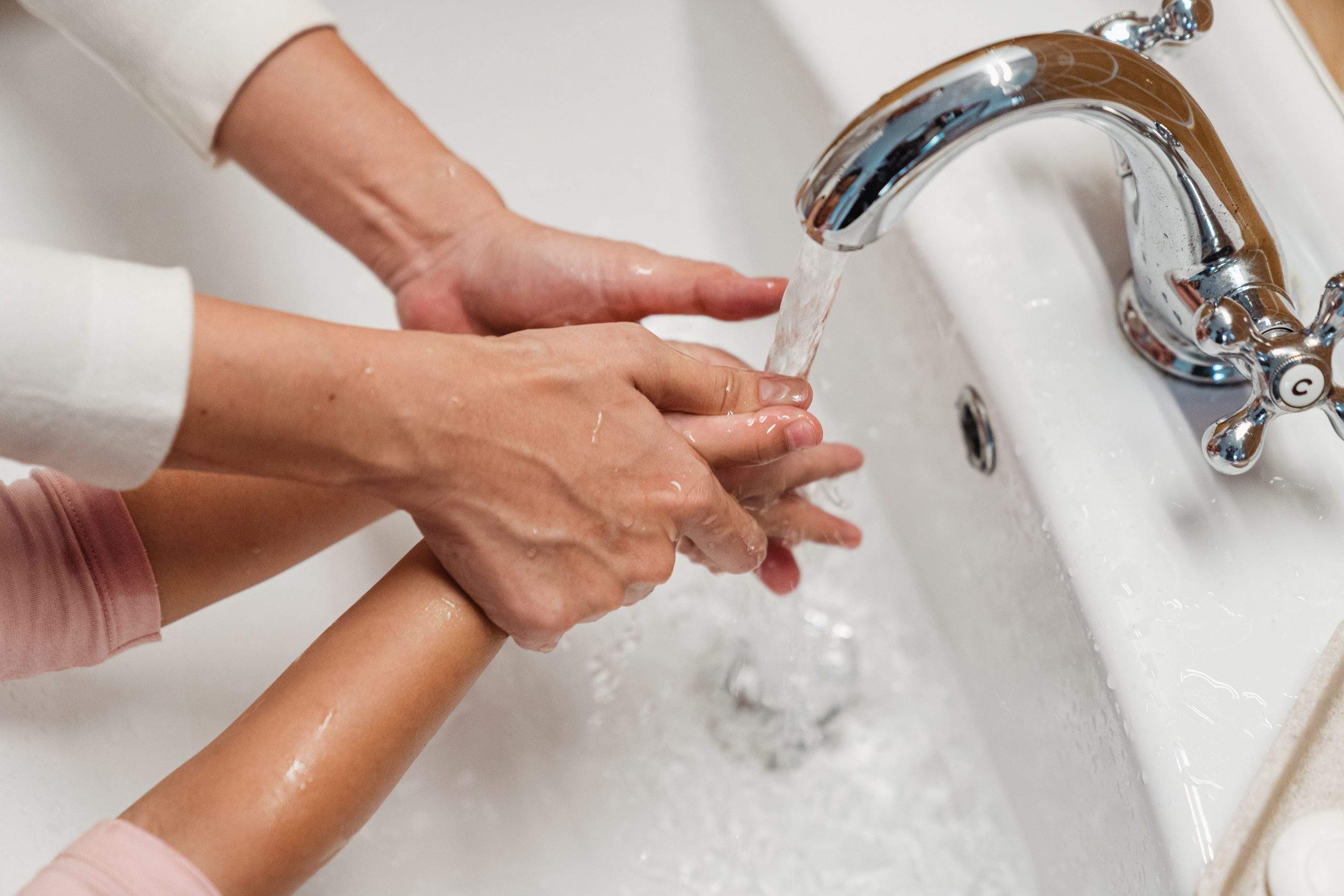
Although public toilets and door handles are often mentioned as sources of germs, many other objects people touch daily can also harbor bacteria and viruses. Specialists stress that contact alone does not necessarily lead to illness – the danger grows when people touch their eyes, nose or mouth with unwashed hands.
Smartphones are considered among the dirtiest everyday items because people carry them to work, on public transport, to shops, gyms and even the toilet. Doctors recommend cleaning the device regularly with disinfectant wipes and using it with clean hands.
At home and in the workplace, frequently overlooked surfaces include remote controls, computer keyboards, computer mice, door handles, light switches and car steering wheels. Regular cleaning of these surfaces may reduce the spread of microorganisms.
When soap and water are unavailable, an alcohol-based hand sanitizer with at least 60% alcohol can be used, and it should remain on the hands for at least 15 seconds. However, it does not replace washing when hands are visibly dirty or greasy, or after contact with raw meat, soil or other contaminants.
Hands should definitely be washed before eating, after using the toilet, after gardening, after preparing raw meat, and after touching shared surfaces.
Another pathway for bacteria is toilet flushing, which can release tiny water droplets, or bioaerosols, containing E. coli and Staphylococcus aureus. Studies suggest that good ventilation lowers the concentration of these microorganisms in the air, while closing the toilet lid before flushing can help limit their spread.

/nginx/o/2026/09/24/17936153t1h53f6.jpg)