Iran renews Hormuz threats as Doha talks end with cautious progress
Iran's joint military command warns vessels in the Strait of Hormuz must follow approved routes or face forceful response, while indirect talks in Doha yield some progress including a communication channel and discussion of frozen assets.
Iran's military warning on Hormuz
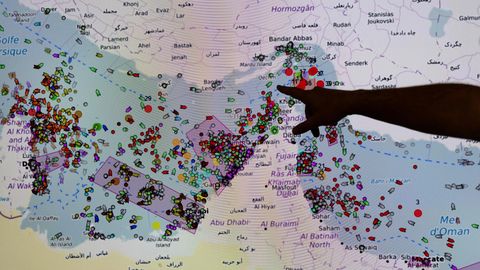
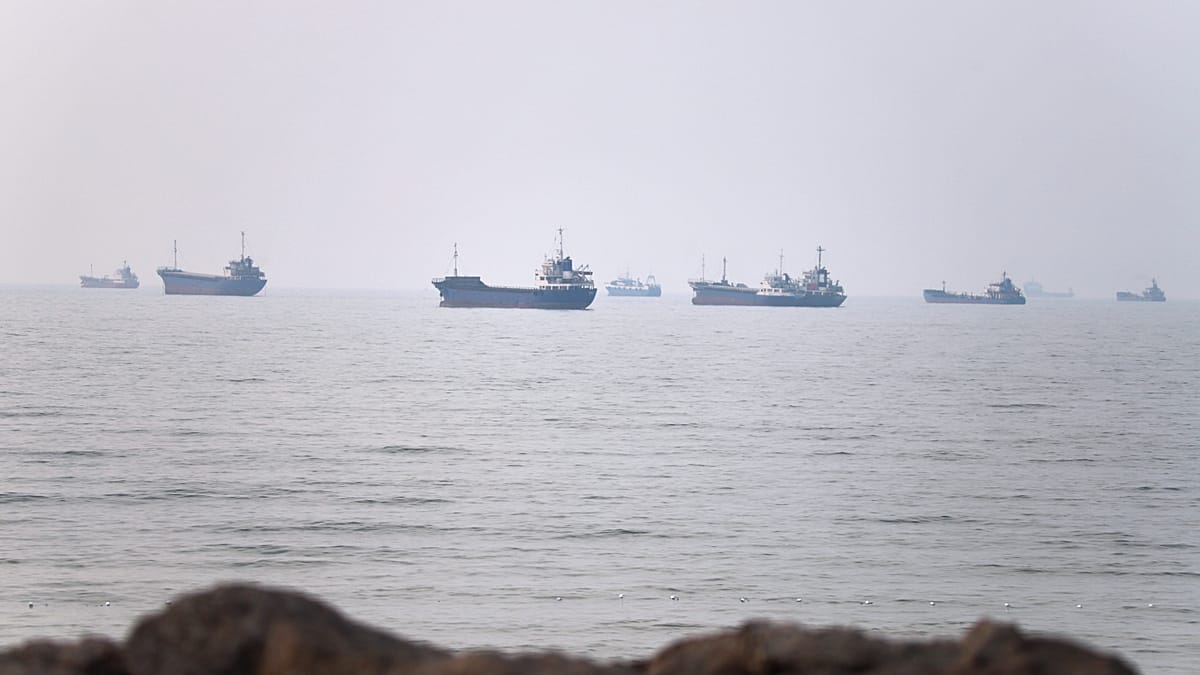
Iran's joint military command on Thursday warned that vessels transiting the Strait of Hormuz must use its approved routes or face a "forceful response," escalating tensions over the crucial waterway. The statement, reported by state TV, came after US and Iranian diplomats met with mediators in Qatar on Wednesday. The trigger appears to be a US Central Command statement reaffirming commitment to free commerce through the strait, which likely angered Iran as it prepares for the funeral of late Ayatollah Ali Khamenei, killed in US-Israeli strikes in February.
The Iranian command said any failure to comply, deviation from designated routes, or disregard for navigation protocols would be met with an immediate and forceful response, endangering violating vessels. It also noted that continued US fighter jet presence over the strait causes insecurity and threatens regional security, and warned that any US interference in security matters would be considered a threat to Iran's national sovereignty.
Progress in Doha talks
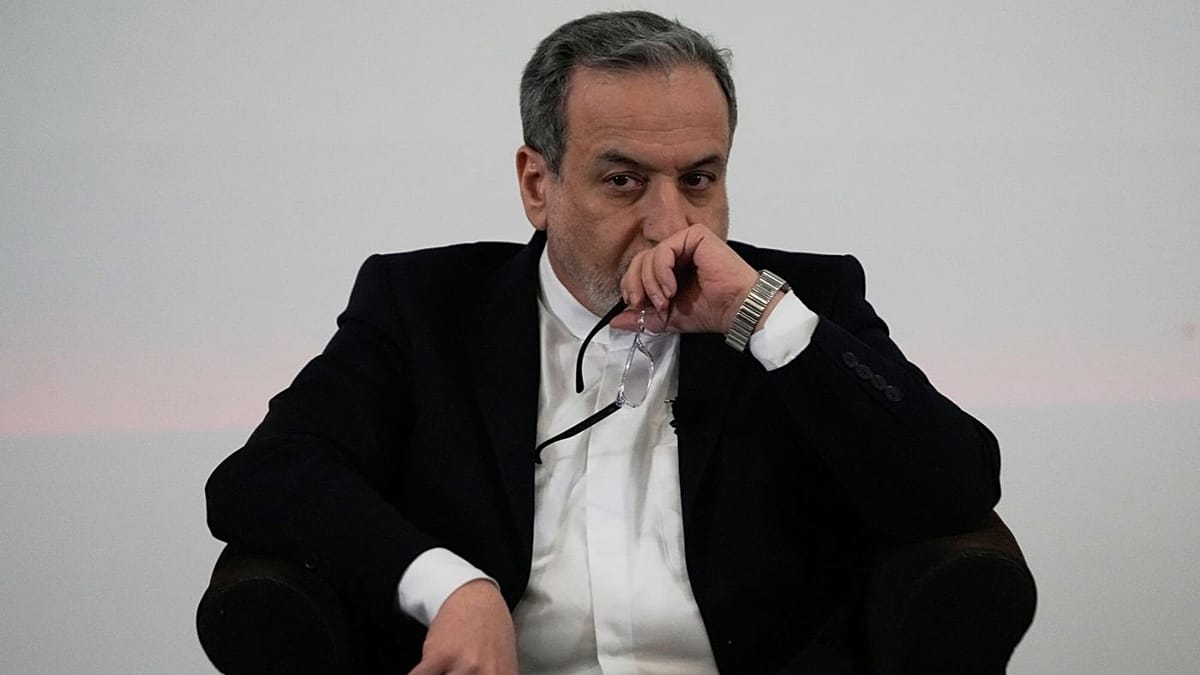
Iran and the US concluded a round of indirect talks in Doha, mediators Qatar and Pakistan said on Thursday, with positive progress made. Iran's Deputy Foreign Minister Kazem Gharibabadi confirmed an agreement to establish a communication channel to report alleged violations of the memorandum. Discussions also covered frozen Iranian assets; officials reviewed use of part of an initial $6 billion and agreed to purchase needed goods for Iran.
President Donald Trump told reporters Wednesday that Iran's denuclearization is moving along well. In June, Washington and Tehran signed a memorandum of understanding brokered by Qatar and Pakistan, including a 60-day ceasefire and reopening of the blocked Strait of Hormuz, plus a timeline for talks to permanently end the war. A source told AFP that Doha talks focused more on Hormuz arrangements, with nuclear issues slated for later rounds.
Ayatollah's funeral and other fronts
The next indirect US-Iran talks will occur after the late Ayatollah's funeral. Ali Khamenei was killed at age 86 in his Tehran compound on February 28, the first day of war. Power passed to his son Mojtaba Khamenei. The public funeral begins Saturday, with burial on July 9 in Mashhad. It remains unclear if Mojtaba, who has not been seen publicly since his father's death, will attend.
On the Lebanon front, fighting between Israel and Hezbollah has been relatively quiet, though a strike in Nabatieh was reported Wednesday. Lebanon awaits Israeli withdrawal from "pilot zones" as per a framework agreement. Israeli Defense Minister Israel Katz said Wednesday that Israeli forces would remain "until further notice" in security zones in Lebanon, Syria, and Gaza. Lebanese President Joseph Aoun defended negotiations with Israel, saying they were not a betrayal and he would not surrender any Lebanese territory.