Iran: Life in limbo between war and ceasefire – uncertainty erodes psyche
Iranians are caught between hope and dread as mixed messages from authorities and ongoing tensions create a psychological crisis, leaving many unable to plan for the future and resulting in widespread despair, anger, and desire to emigrate.
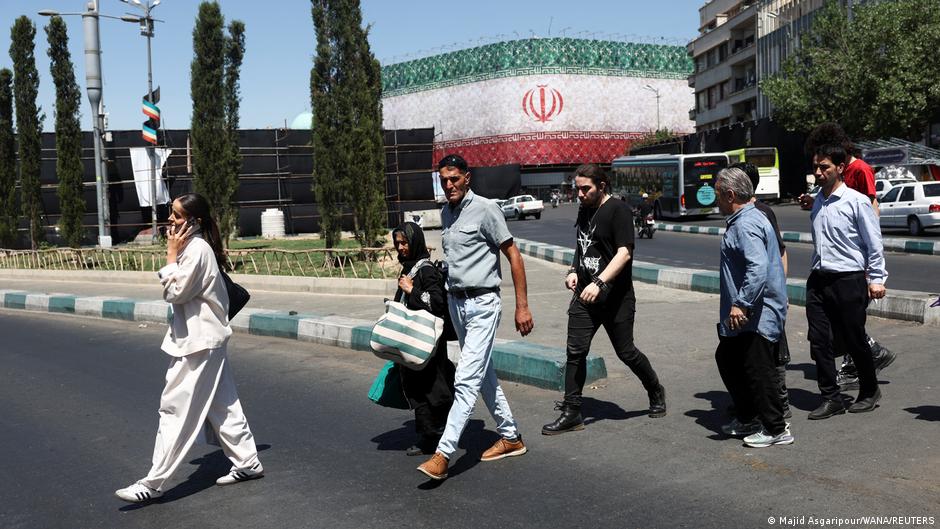
Since the ceasefire between Iran, the United States and Israel was announced, attacks, threats and diplomatic talks have continued simultaneously. Iranian authorities send contradictory messages: one day speaking of negotiations and sanctions relief, the next warning of retaliation and strikes on critical infrastructure. This oscillation between war and diplomacy has left many Iranians in a state of uncertainty that is more psychologically damaging than the war itself.
A Tehran-based lawyer who requested anonymity told DW that the hardest part is not knowing when the crisis will end. “When you cannot plan how to endure hardship, it puts enormous pressure on you,” she said. She has lost motivation to work or start anything new, and even speaking freely feels difficult. A resident of Isfahan said, “We are completely hopeless. This instability between peace and war has turned our mental state into a game, and we have no clear outlook for our future.”
The uncertainty weighs heavily on younger Iranians who have no direct memory of the 1980–88 Iran-Iraq war. A nurse in western Iran explained that people now live only to get through today, postponing long-term decisions. In hospitals, patients are increasingly angry and dissatisfied, even when services are good – a reflection of the broader social climate.
Saeed Paivandi, a professor at the University of Lorraine, cited a May 2026 survey by Iran's Interior Ministry showing 60% of the population felt hopeless. More recent data from IranWire indicated 64% anger, 50% despair, 48% depression, and 45% fear and anxiety – a rise of 10-12 percentage points compared to before the mass protests and crackdown earlier this year. About one-third of Iranians now express a desire to emigrate, with the figure higher among younger and more educated groups.
Experts argue that the crisis extends beyond ceasefires and diplomacy. It builds on a society already worn down by high inflation, repression, and mistrust. Without a clear and credible horizon, uncertainty becomes a daily fact of life, making it harder to restore confidence or sustain the energy needed to imagine a future.