Iran denies role in fridge hack, France summons ambassador
Iran rejects French claims that its Islamic Revolutionary Guard Corps was behind a cyberattack on cooling systems in hundreds of supermarkets. Paris has summoned Tehran's ambassador and wants EU-level sanctions.
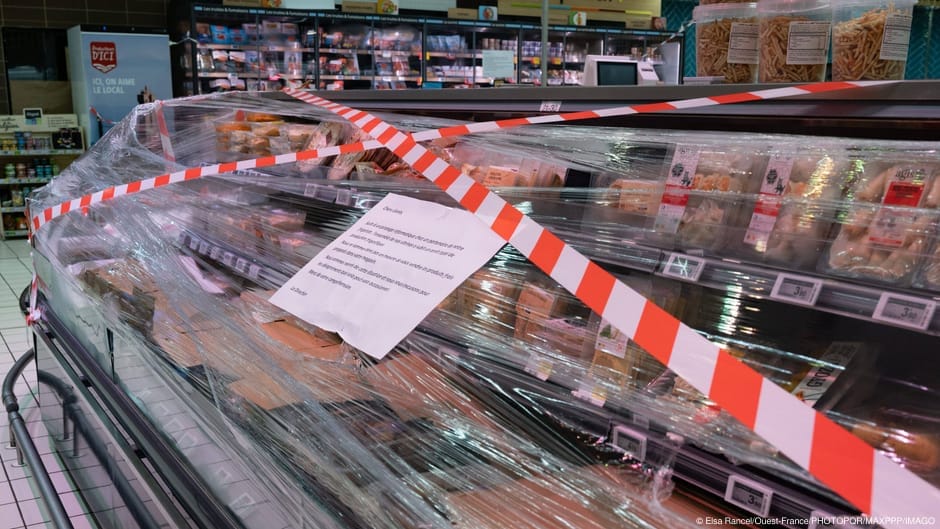
Iran on Tuesday rejected French allegations that its Islamic Revolutionary Guard Corps (IRGC, a military force answering directly to Iran's religious leadership) was responsible for a cyberattack on French supermarkets last month. Paris summoned the Iranian ambassador the same day and said it would seek European-level sanctions, deepening a diplomatic row between the two countries.
What happened
The attack began overnight on 11–12 October. It drove up temperatures in supermarket fridges and freezers, spoiling food and, in isolated cases, starting fires. Paris prosecutor Laure Beccuau said roughly 700 of France's approximately 10,000 supermarkets were affected. The attackers used web interfaces to trigger abnormal, indefinite defrost cycles and switched off automatic sensor alerts meant to warn of excess temperatures.
Similar incidents have since been reported in Europe and elsewhere, including a failed attempt to hit cooling units at French blood banks this month. It is not yet clear whether they are linked to the October attack.
Investigation and French response
Beccuau said on Monday that she had opened an investigation into senior members of Shahid Kaveh, an IRGC cyber unit. Her office has requested arrest warrants for two of its officials. French cyber intelligence agencies said the unit runs large-scale campaigns against industrial equipment for sabotage purposes, mainly targeting Israel and the US but also France and other European states.
Foreign Minister Jean-Noel Barrot said France would rule nothing out and would take all proportionate measures, including ones not made public. He spoke during a G7 foreign ministers' meeting in Paris attended by US Secretary of State Marco Rubio. The EU said it would seek a swift and united response after consulting member states, including possible sanctions.
Iran's reply
Iran's Foreign Ministry called the accusations baseless and one-sided and warned it would take necessary measures to protect its interests if sanctions go ahead. Sweden's Civil Defense Minister Carl-Oskar Bohlin cautioned that more cyberattacks could be expected in the coming months.