Iran and Oman near deal on Hormuz shipping as US voices objections
Iran and Oman have negotiated a potential agreement to manage shipping in the Strait of Hormuz that would bar military vessels, but the Trump administration opposes parts of the emerging deal.
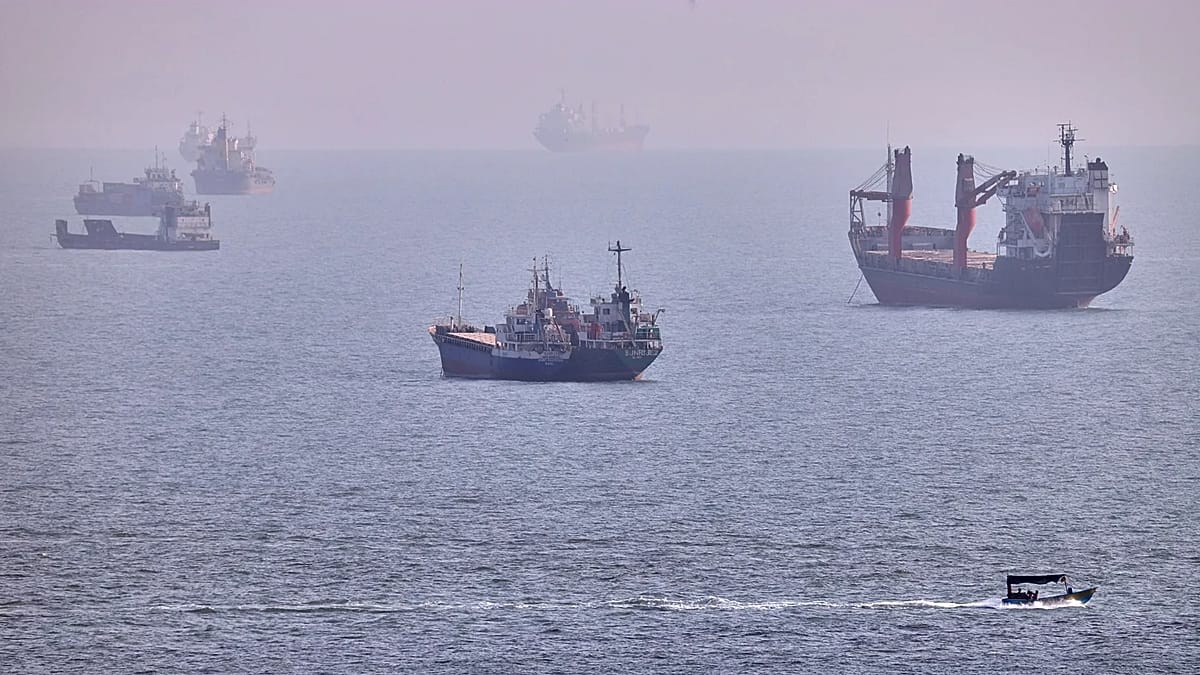
Senior diplomats from Iran and Oman have reached a tentative arrangement for managing commercial shipping through the Strait of Hormuz, a vital waterway that has remained largely shut for nearly six months since the Iran war began. Iran's deputy foreign minister, Kazem Gharibabadi, said on Tuesday that the agreement being negotiated with Oman would exclude military vessels from transiting the strait.
According to Gharibabadi, inbound commercial traffic to the Persian Gulf would route through Iranian waters, while outbound traffic would pass partly through Iranian and partly through Omani waters. He described the arrangement as temporary, with Iran and Oman required to agree on a permanent maritime traffic plan within 30 to 60 days.
US pushes back
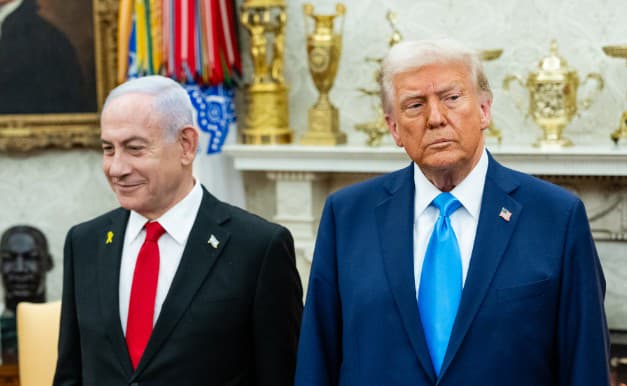
The development comes as US President Donald Trump has threatened to bomb Oman if it "gets in the way" of American interests. The Trump administration has told Oman it opposes several elements of the yet-to-be-announced deal, including joint Iranian-Omani management of the strait's exit route and Oman's agreement to collect voluntary fees from vessels, even those tied to security and environmental protection. Washington believes Oman has not negotiated firmly enough with Tehran.
Speaking to Al Jazeera on Wednesday, Trump said the US is "winning very big" as the conflict with Iran approaches its six-month mark, adding he has "no time schedule" for resolving it. In a separate interview, he said he believes Iran's supreme leader, Mojtaba Khamenei, is "very seriously wounded" but alive. Mojtaba became supreme leader after his father, Ali Khamenei, was killed at the war's outset, and has stayed out of public view since being badly wounded.
The conflict has severely disrupted business across the Middle East, hampering shipping lanes and trade while driving up energy and transport costs. Dubai International Airport reported Wednesday a sharp passenger decline, with 13 million passengers in the second quarter and about 31.5 million for the first half of the year — down 31.3% from a year earlier. Aircraft movements fell 32.1% year-on-year. CEO Paul Griffiths said monthly passenger growth had been consistent through the quarter and full operations should resume soon.
Separately, Iran's Foreign Minister Abbas Araghchi wrote to the United Nations urging condemnation of a new US economic measure he described as deliberately depriving Iranian civilians of food, medicine, energy and other necessities.