Family of Irish UN worker killed in Boeing 737 Max crash awarded $29m
A Chicago jury awarded $29m in damages to the family of Irish UN employee Michael Ryan, who died in the 2019 Ethiopian Airlines Boeing 737 Max crash. Boeing said it respects families' right to pursue claims through court.
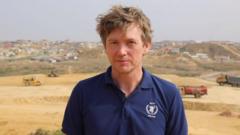
A jury in Chicago has awarded $29m (£21.5m) in damages to the family of Michael 'Mick' Ryan, an Irish United Nations employee who died in the 2019 Boeing 737 Max crash in Ethiopia. Ryan, a father of two from County Clare who lived in Cork, was among 157 people killed when the Ethiopian Airlines aircraft went down.
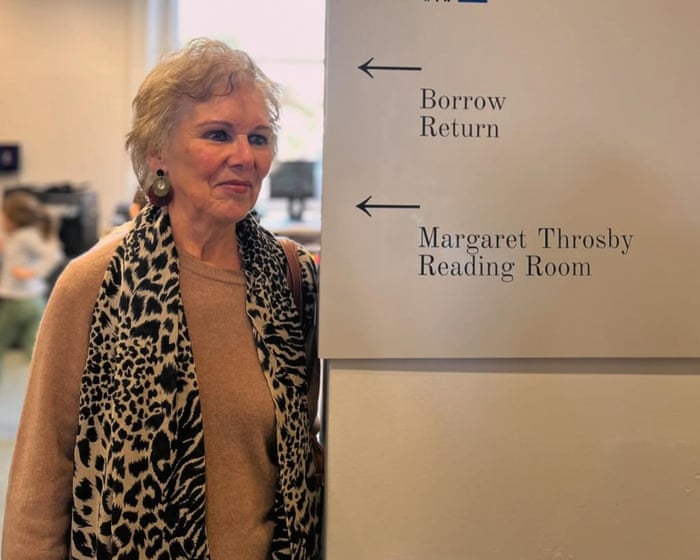
The award followed a civil lawsuit brought against Boeing by Ryan's widow, Naoise Connolly Ryan. Her lawyer, Steven C Marks, described the verdict as an important step toward accountability, while noting that the wider effort to hold Boeing responsible and prevent similar tragedies remains just as significant.
A Boeing spokesperson said the company remains deeply sorry to everyone who lost loved ones in the Ethiopian Airlines crash and the earlier Lion Air disaster. Boeing noted that nearly all related claims have been settled, but said it respects families' right to pursue their cases through the courts.
Work with the United Nations
Ryan worked as an engineer for the UN World Food Programme, contributing to aid efforts for vulnerable communities in Afghanistan, Sri Lanka, Nepal, Ethiopia and Bangladesh. He is credited with organising the construction of shelters and infrastructure in Bangladesh that protected tens of thousands of Rohingya refugees from landslides and flooding. He also helped build medical centres in Liberia during the 2014-16 Ebola outbreak.
Details of the crash
Flight ET302 departed Addis Ababa on 10 March 2019 bound for Nairobi. Six minutes into the flight, the plane crashed near the town of Bishoftu. A preliminary investigation by Ethiopian authorities found the take-off appeared normal, but shortly afterwards two sensors began recording conflicting readings on the aircraft's flight angle. This triggered an automated system that repeatedly forced the plane's nose down, a fault also identified in the earlier Lion Air crash.