Israel Holds Parliamentary Election on 27 October: Netanyahu vs. Eisenkot
Israel votes in a parliamentary election on 27 October, the first since the 2023 Hamas attack. Polls show a tight race between Prime Minister Benjamin Netanyahu and former military chief Gadi Eisenkot.

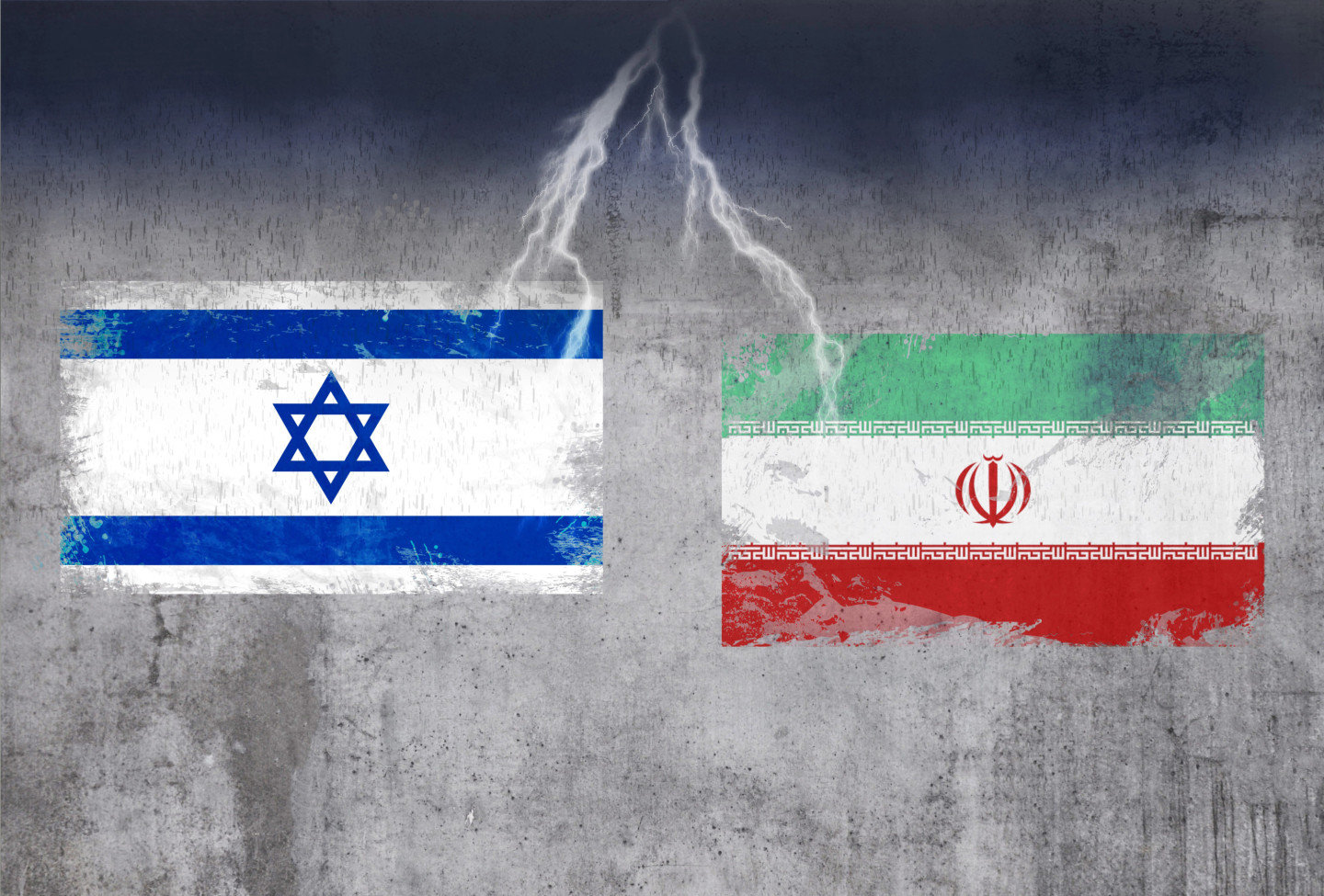
Israel will hold a parliamentary election on 27 October, the first since the 2023 attack by the militant group Hamas and the wars that followed in the Gaza Strip and Iran, as well as the conflict with Yemen's Houthis and the Lebanese group Hezbollah, the BBC reports. Many regard the vote as one of the most important in the country's history, with consequences reaching beyond Israel.
The main contenders
Polls point to a close contest between Prime Minister Benjamin Netanyahu and Gadi Eisenkot, a former head of the Israel Defense Forces. Eisenkot's appeal partly rests on his military background, while his time in politics is relatively short: he founded his party only last year. His son was killed in Gaza in the first months of the war, and he served in the war cabinet until 2024, when he resigned over disagreements about the conflict. His campaign centres on calls to hold accountable those responsible for the failures that led to the attack of 7 October.
Other opposition leaders include Avigdor Liberman and former prime minister Naftali Bennett. Both are right-wing figures who favour a hard line on security and permanent Israeli control of the occupied West Bank. Yair Golan, from the left, instead supports Israel withdrawing from the West Bank. Despite their differences, they could form a government together with Eisenkot.
Netanyahu's current government is the most right-wing in Israeli history, and to stay in office he would have to rely on some of his far-right partners. Some of them call for annexing the West Bank and removing Palestinians from Gaza, which would amount to forced displacement of a population. Two Arab parties are also running; Arabs make up about a fifth of the population, and in theory these parties could prove decisive in forming a government. However, only one of the leading Jewish parties has not ruled out cooperating with them.
Key issues
Security dominates the campaign. Netanyahu's rivals sharply criticise the failures preceding the Hamas attack, in which almost 1,200 people died and 251 were taken hostage to Gaza. Netanyahu presents himself as "Mr Security" and points to several strategic successes since 2023. Other topics include the exemption of ultra-Orthodox Jewish men from military service, a judicial overhaul that critics say would weaken the independence of the courts, and the cost of living.
How a government is formed
The parliament has 120 seats, so a majority requires at least 61. Because of proportional representation, governments are always multi-party coalitions, and forming one can take weeks or months. On election night at 22:00 local time, broadcasters will release exit polls, but picking a winner is hard. Preliminary results are expected on 28 October and official ones on 4 November. President Isaac Herzog will then invite one of the leaders to try to form a government. If three leaders fail, a new election is called. Israel held five elections between 2019 and 2022.