No clear winner in Israel's election as weeks of coalition talks loom
Preliminary results from Israel's parliamentary election show neither Prime Minister Benjamin Netanyahu's bloc nor the opposition led by Gadi Eisenkot reaching 61 seats. The opposition could still gain control of the Knesset, which opens on Nov. 10.

Preliminary results from Israel's parliamentary election, held on Tuesday, had not produced a clear winner by Wednesday. Neither the right-wing bloc of longtime Prime Minister Benjamin Netanyahu nor the opposition bloc led by Gadi Eisenkot, a former military chief of staff, appears to have reached the 61 seats needed for a majority in the 120-seat Knesset, Israel's parliament. That points to potentially weeks of negotiations over the next government.
Numbers and scenarios
About 80 percent of ballots had been counted. When 70 percent were tallied, Mr. Netanyahu's coalition was on course for roughly 54 seats, Mr. Eisenkot's bloc about 49, and two Arab parties up to 17. The figures could still shift, since votes from special polling stations, including military bases, hospitals, prisons and embassies, are not yet reflected. In the 2022 election, those votes tended to favor Mr. Netanyahu and his allies.
Mr. Eisenkot has called Mr. Netanyahu unfit to lead but objects to partnering with Arab parties. On Wednesday he pledged to build "a stable Zionist government." Some of Mr. Netanyahu's allies have floated a broad unity government with centrists. If talks fail, Israel could face another election.
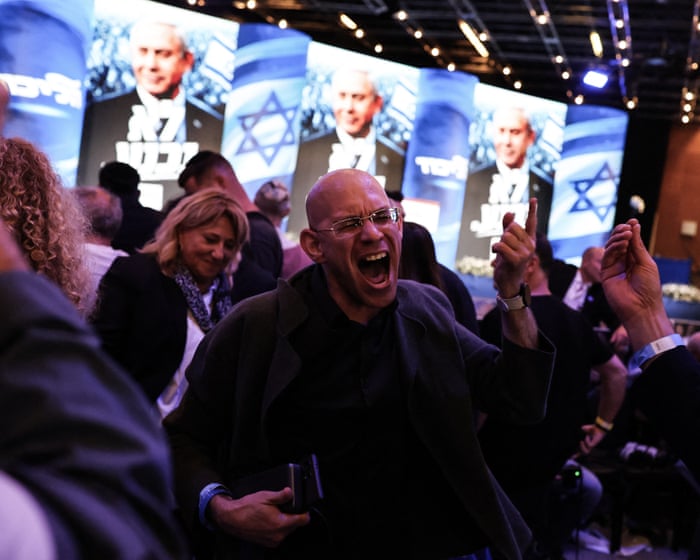
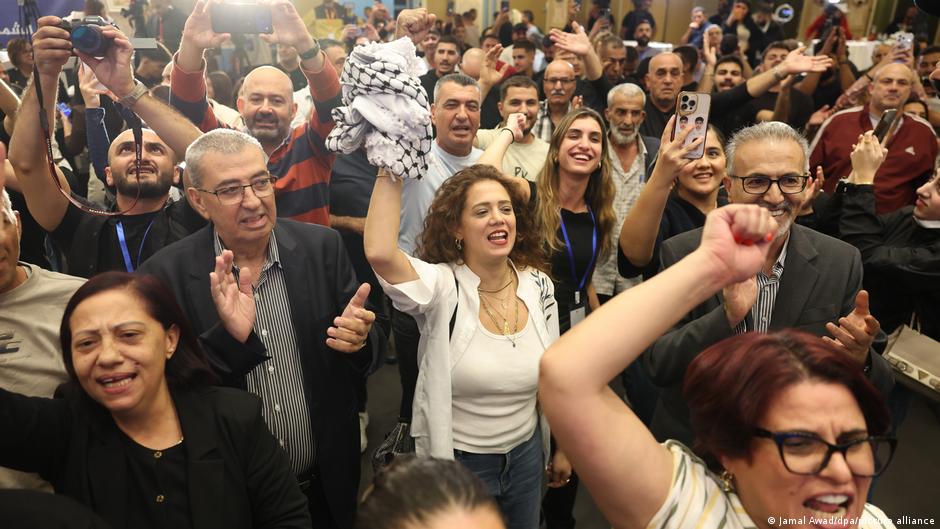
Overnight, Mr. Netanyahu said his Likud party had emerged as the largest and called for a strong right-wing government. Mr. Eisenkot said the public had opted for change. Likud continues to claim, without proof, that Arab voters "stole the elections"; the official elections committee has said there is no sign of widespread irregularities.
Opposition could control the Knesset
The Knesset opens on Nov. 10. If opposition parties and the Arab parties voted together, they could elect a new speaker and take control of the parliamentary agenda and key committees. Experts mention possible moves such as an independent state inquiry into the failure to prevent the Hamas-led attack of Oct. 7, 2023, and reversing the judicial overhaul laws. Any law aimed personally at Mr. Netanyahu would likely be challenged in the Supreme Court.