Israel election: Netanyahu's coalition loses majority, but opposition shuns Palestinian-led parties
Prime Minister Benjamin Netanyahu's far-right coalition has lost its majority in Israel's parliamentary election, but most Jewish opposition parties have ruled out governing with Palestinian-led parties. That leaves Netanyahu a path to stay in office or extend his caretaker mandate.
Prime Minister Benjamin Netanyahu's far-right coalition has lost its majority in Israel's parliamentary (Knesset) election, with final results due on Wednesday, and the opposition holds a firm majority. Yet most Jewish opposition parties have ruled out governing alongside Palestinian-led parties, which leaves Netanyahu a chance to remain in power, serve as caretaker prime minister, or force another round of elections.
A barrier to an opposition alliance
Israeli media and analysts have focused on this self-imposed ban. The newspaper Israel Hayom ran the headline "No Clear Government", while Channel 12 wrote that the road to a unity government had been paved. Yair Golan, leader of the centre-left Democrats, rejected that framing, saying Netanyahu had lost and calling for a government formed with Arab citizens of Israel, who make up about 20% of the population.
Gadi Eisenkot, a former general who leads the largest opposition party, has not directly ruled out working with Palestinians but set conditions that make their participation politically impossible. Political psychology researcher Eran Halperin said a survey taken as polls closed showed a clear majority of opposition voters backed a government with the Palestinian-led Ra'am party in order to remove Netanyahu.
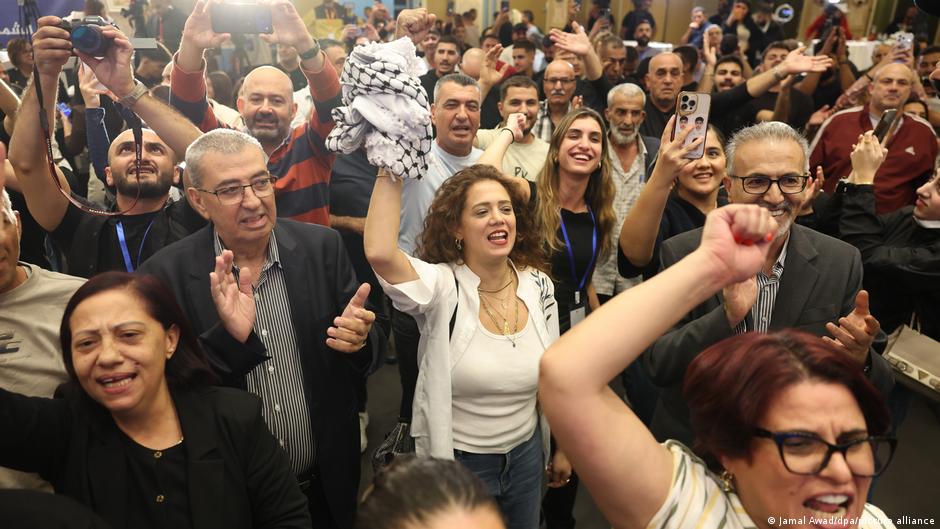
Palestinian parties say they are ready. Yousef Jabareen, leader of the larger Joint List, said they were prepared to help oust Netanyahu's government through Jewish-Arab partnership. The Islamist Ra'am party placed a Jewish former police chief second on its slate.
Netanyahu's campaign and result
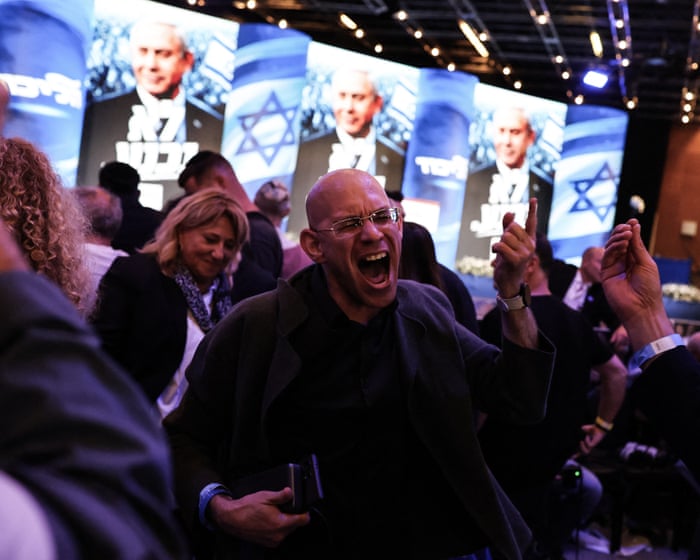
Netanyahu's campaign leaned on racist rhetoric; many posters carried the slogan "The right or Palestine", casting about a fifth of the population as an enemy within. His coalition lost around 10 seats from the 64 it won in 2022, but he said the right-wing bloc had a clear majority among the Zionist public and called for a strong national-right government.
Many Israelis saw the vote as existential, with stakes including halting the erosion of democracy and securing a State Commission of Inquiry into the 7 October attacks. Palestinian citizens of Israel turned out in record numbers.