Bank of Japan raises rates to highest level since 1995
Japan's central bank has lifted its key interest rate to 1.25%, a 31-year high, as it tries to contain inflation fuelled by the Middle East conflict. The move puts it in step with other major central banks tightening policy this month.
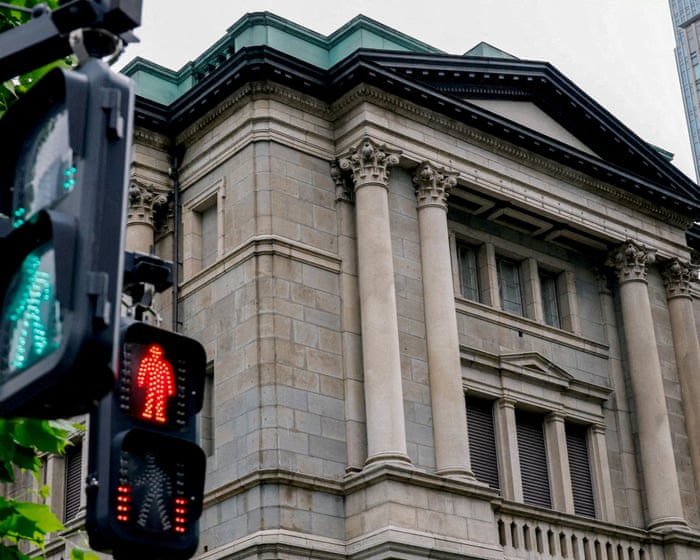
The Bank of Japan has raised its target interest rate from 1% to 1.25%, its highest level since 1995, in a bid to curb inflation linked to the war in Iran and the wider Middle East conflict.
The decision aligns Japan with the US Federal Reserve and the European Central Bank, both of which tightened monetary policy this month as central banks worldwide respond to rising prices tied to Middle East instability. The Bank of England, by contrast, held UK rates at 3.75% on Thursday, while warning they could rise soon because of fallout from the Iran conflict.
The BoJ has been on a tightening path since 2024, when it first moved its base rate out of negative territory. Pressure to act has built as the yen steadily weakened against the dollar this year, reaching levels that had already forced policymakers to intervene to support the currency. The yen weakened a further 0.7% against the dollar on Friday.
The rate rise was not unanimous, with two board members voting against it. Fred Neumann, chief Asia economist at HSBC, said the tone of the BoJ's statement combined with the dissenting votes suggested caution about further near-term tightening, though investors will watch for signals on a possible December move.
The weaker yen helped push Japan's Nikkei index up nearly 2%, while yields on Japanese two-year government bonds, which closely track monetary policy expectations, fell four basis points to 1.82%. European stock futures slipped 0.35%, pointing to a lower open.
Prashant Newnaha, a senior rates strategist at TD Securities, said the BoJ reiterated concerns that underlying inflation could exceed its 2% target, but saw no clear signal for a back-to-back hike in October, instead expecting the next 25-basis-point increase in December. Meanwhile, Brent crude fell as much as 1.5% to $103.29 a barrel on hopes for alternative oil supply routes from the Middle East, even as concerns persisted over clashes between Saudi Arabia and Yemen's Houthis.


