New Audio Recordings Appear to Show Biden Discussing Classified Information with Ghostwriter
Conservative group Oversight Project has released audio recordings where former US President Joe Biden allegedly discusses classified information with his memoir ghostwriter and shows signs of memory lapses.
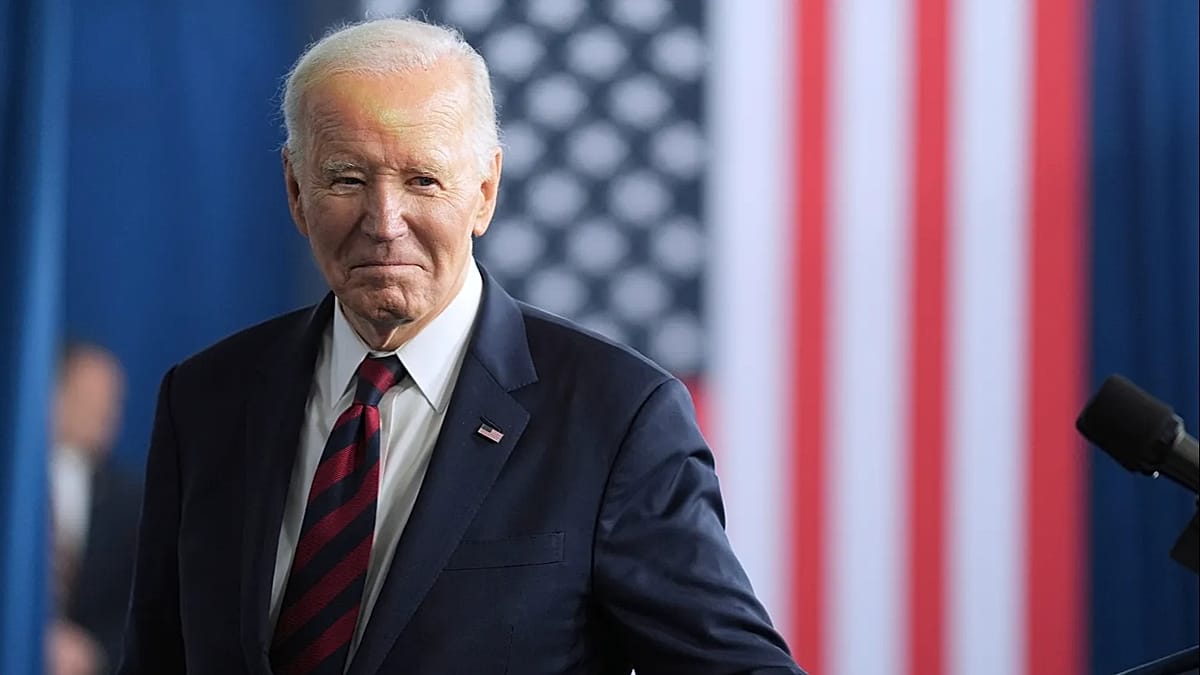
On July 28, 2026, the conservative group Oversight Project, affiliated with the Heritage Foundation, released approximately three hours of audio recordings and 117 pages of partially redacted transcripts of conversations between former US President Joe Biden and his memoir ghostwriter Mark Lewis Zwonitzer. The recordings were made before Biden's 2020 election.
In a recording from October 2016, near the end of his second term as Vice President under Barack Obama, Biden tells Zwonitzer about sensitive foreign policy matters, saying, "They didn't even know I had this." In a 2017 interview, after leaving the White House and before launching his presidential campaign, Biden appears to acknowledge retaining classified information from his vice presidency. He states: "I just found all the classified stuff downstairs. I wrote the President a handwritten 40-page memorandum arguing against deploying additional troops to Iraq — I mean, to Afghanistan on the grounds that it wouldn’t matter."
The potentially classified information itself is redacted in both the audio and transcripts. The group sued to obtain the recordings after Special Counsel Robert Hur decided in 2024 not to charge Biden over his handling of classified information. Hur said that a jury would likely view Biden as a sympathetic figure due to his age and "poor memory," sparking public debate about Biden's fitness for office.
Oversight Project Vice President of Litigation Jeff Clark insisted the tapes prove Biden's decline. Biden spokesman TJ Ducklo blasted the release as "politically motivated" and accused the administration of weaponizing the Department of Justice for political retribution. Biden previously tried to block the release, but a federal appeals court ruled there was a "substantial" public interest in making the material public.
/nginx/o/2026/08/04/17827659t1h2bcd.jpg)