New play "Supposing:" channels ancient Greek myth to process modern-day anxiety
Zinnie Harris's play "Supposing:" at Edinburgh's Traverse Theatre follows an ordinary woman convinced she is cursed, drawing parallels with Greek tragic heroines to reflect on today's turbulent times. The production runs until 30 August.
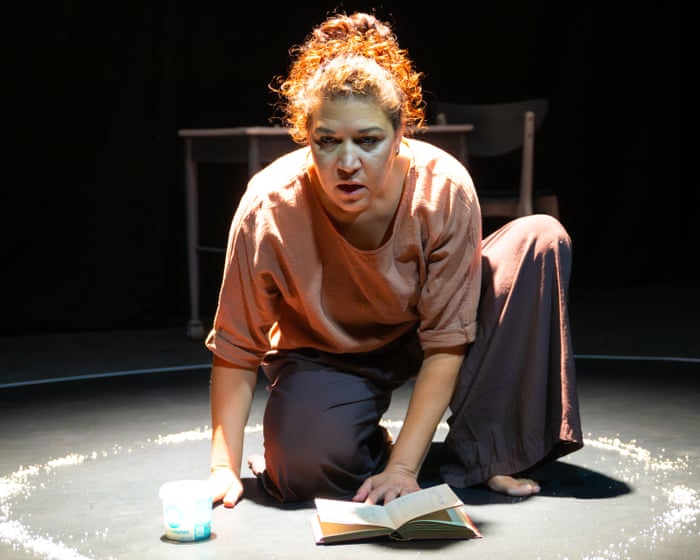
A new play titled "Supposing:", written and directed by Zinnie Harris, is currently running at the Traverse Theatre in Edinburgh until 30 August. The staging is deliberately minimal: designer Alisa Kalyanova marks only a white-edged circle on the floor of an otherwise bare space, which doubles as both a pothole in the street that the main character, Sally, stumbles into, and the kitchen where she confesses to her husband Richard, "I think I've been cursed."
That circle also defines the emotional dynamic between the two characters, played by Nicole Cooper and Richard Conlon, who are drawn toward each other yet repeatedly pushed apart by the weight of Sally's revelation. The play leaves open whether Sally, a secular modern woman who trusts only concrete facts, is undergoing a mental breakdown or genuinely experiencing visions of the future.
Ancient chorus, modern fears
Inside her head, Sally hears a 17-strong Greek chorus nagging at her like a guilty conscience. Searching for explanations, she researches satyrs, tragedies, portents and sacrifices, even attempting a libation of water, salt and wine in hopes of silencing the voices. With wry irony, she acknowledges her own resemblance to tragic heroines such as Medea, Clytemnestra and Penelope — a comparison that lands as one of the play's more comic moments precisely because it fits so awkwardly.
Sally's repeated references to pregnancies and miscarriages point to an uncertain future. Living in a society marked by political extremism, she has visions involving a racist neighbour and an unnamed refugee whose housing has been targeted by rightwing protesters. The review suggests that in such exasperating times, only the full-blooded rage of ancient Greek drama seems adequate, though the play's ending leaves room for the possibility of healing rather than despair.