New blood test could tell 'broken heart syndrome' apart from a heart attack
Researchers have developed the BioTAK score, a blood-biomarker test that can accurately identify Takotsubo syndrome before invasive cardiac catheterization. The tool could help doctors avoid unnecessary procedures in emergency care.
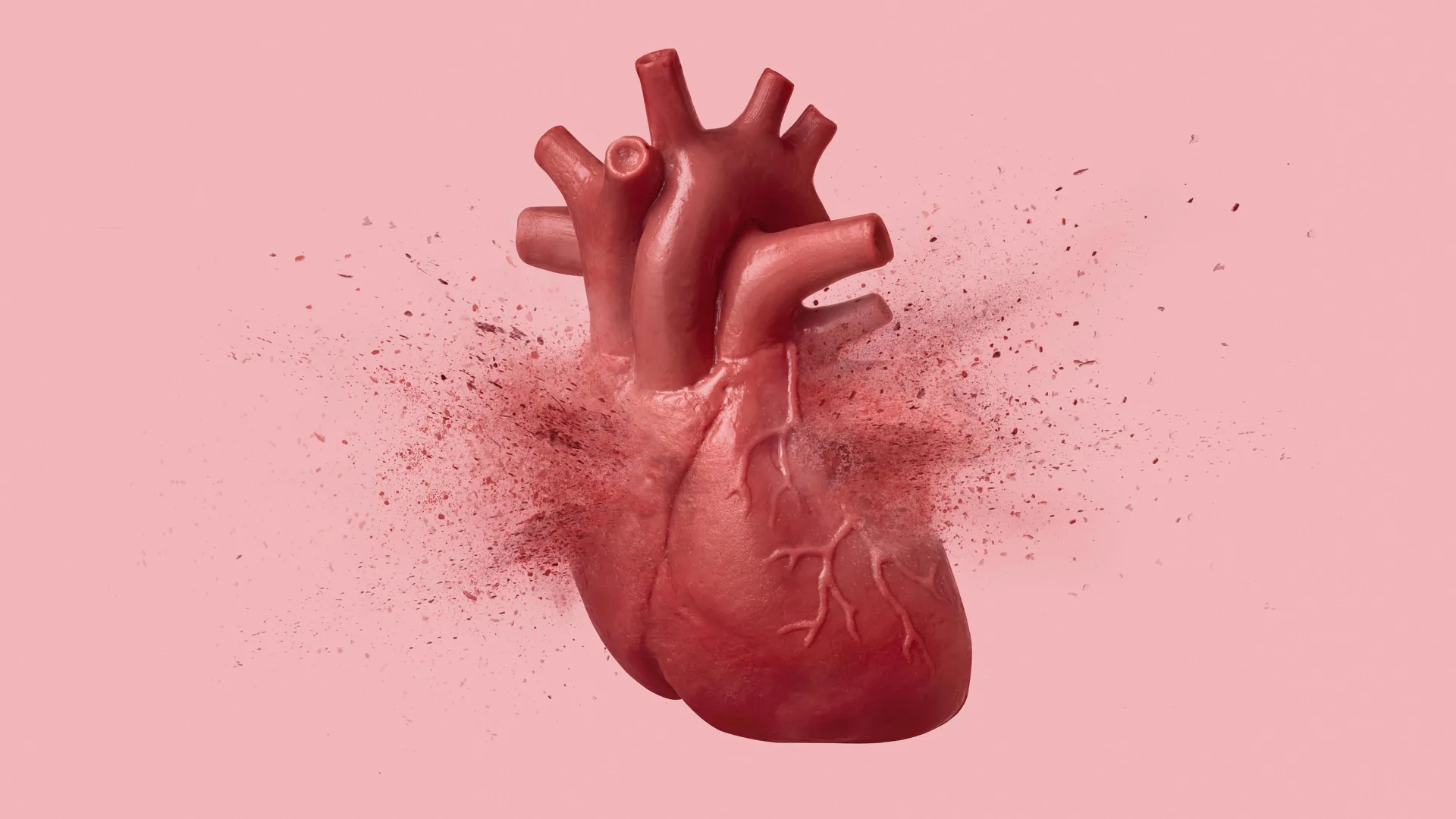
An international team of researchers, working with scientists at the universities of Zurich and Greifswald, has developed and validated a new diagnostic tool to identify Takotsubo syndrome — often called "broken heart syndrome" — before patients undergo invasive cardiac catheterization.
Takotsubo syndrome is a sudden heart condition that most often affects postmenopausal women and can be triggered by intense emotional or physical stress. It accounts for about 2 percent of patients initially suspected of having a heart attack, and up to one in ten women with acute coronary syndrome. Its symptoms — chest pain, abnormal electrocardiogram readings and elevated cardiac enzyme levels — closely mimic those of a heart attack, though unlike a heart attack, it does not involve blocked coronary arteries. Because the two conditions look so similar at first, many patients undergo invasive catheterization before the true cause is identified.
A new diagnostic tool
The new tool, called the BioTAK score, combines biological sex with several blood biomarkers tied to different cardiovascular processes. Using artificial intelligence, researchers determined which combination of markers offered the most useful diagnostic value and built them into a clinical decision tool.
In an independent validation group of nearly 1,800 patients, the BioTAK score identified Takotsubo syndrome with high accuracy, correctly classifying nearly 90 percent of participants using predefined thresholds before they underwent catheterization.
A brain-heart connection
The score includes two newly identified biomarkers that point to a role for the so-called brain-heart axis, suggesting the condition develops through mechanisms separate from atherosclerosis. One protein helps activate neuropeptides involved in stress response, anxiety and vascular tone, while the other is linked to the stability of atherosclerotic plaques.
Researchers stress that the BioTAK score would not replace catheterization when medically necessary, but could help guide diagnostic decisions and reduce unnecessary invasive testing in select patients. The study, published in the European Heart Journal, analyzed data from more than 3,600 patients drawn from Swiss cohorts and the international InterTAK registry.