New drug could cure one cause of high blood pressure
Baxdrostat tablets, taken by 14 patients with high blood pressure in a small study, improved their condition, and the benefit lasted up to two years after treatment ended. Doctors stress it is not yet clear whether some patients are cured, and a larger trial is under way.
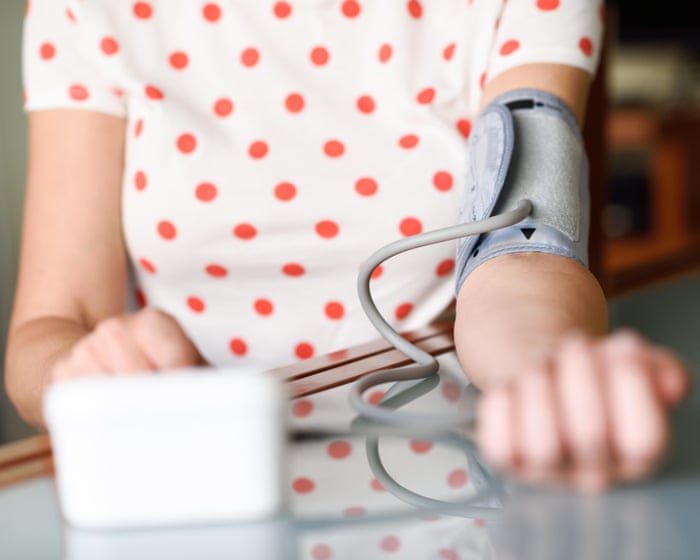
A new drug called baxdrostat has surprised doctors in a study of people with high blood pressure, or hypertension, because its benefits lasted for years after patients stopped taking it. The results are published in the New England Journal of Medicine. They could matter to millions of people: more than a billion people worldwide have hypertension, including more than 12 million in the UK.
What the study showed
The small study followed 14 patients whose blood pressure improved dramatically during a three-month trial of the drug. They continued taking the daily pills for six to 12 months and then stopped. When doctors checked up to two years later, their blood pressure was still lower.
Prof Morris Brown, a hypertension specialist at Queen Mary University of London who led the study, said that just under a quarter of the patients came off all treatment and had completely normal blood pressure.
The cause in question
In 5 to 10 per cent of hypertension cases, small nodules or benign tumours on the adrenal glands cause overproduction of a hormone called aldosterone. The excess hormone raises blood pressure by signalling the kidneys to retain salt. This condition is called primary aldosteronism. The standard treatment is surgical removal of the affected adrenal gland, but other factors can also contribute to hypertension, so surgery does not always cure it.
Baxdrostat is an aldosterone synthase inhibitor, which suppresses this hormone. It was approved in the US this year for patients whose hypertension is not controlled by existing drugs. In the UK it is being assessed by the National Institute for Health and Care Excellence (Nice), which could make it available through the NHS next year.
Is it a cure?
Mason Freeman, a professor of medicine at Harvard University who was involved in the work, said it is too early to say whether some patients were cured; a larger trial is under way to find out. If the effect is common and persistent, he said, the approach to diagnosing and treating these patients is likely to change dramatically, and invasive diagnostic procedures and surgery could be avoided.
Brown suspects the drug causes a surge in reactive oxygen species that may selectively destroy the cells overproducing aldosterone. Researchers are now testing this mechanism in the laboratory.