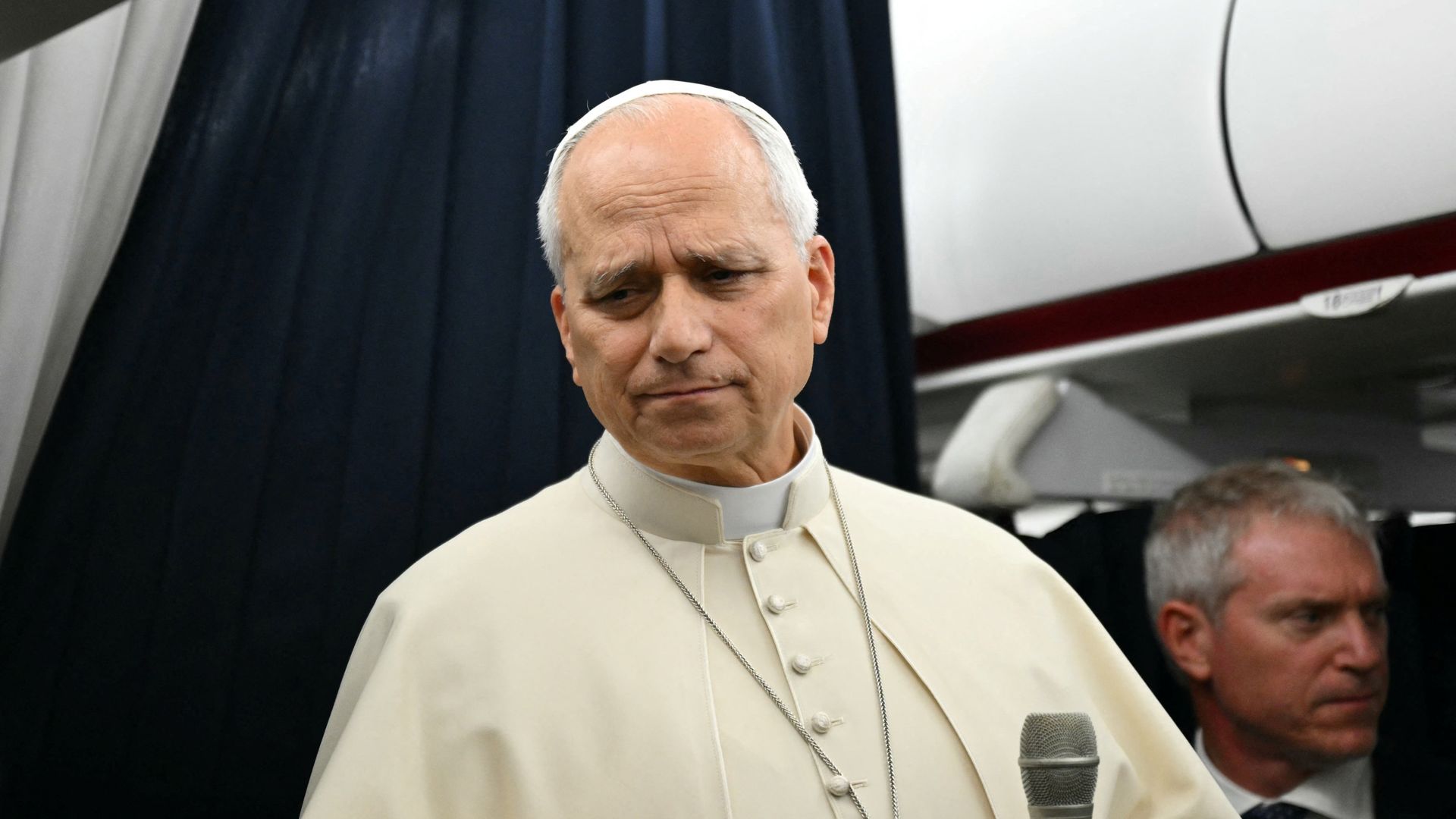
NZ English official language law mocked by critics as 'pathetic waste'
New Zealand's parliament has passed legislation making English an official language, drawing derision from linguists, legal experts and a Māori MP who called it a pathetic waste. The law, part of a coalition deal, gives English the same status as te reo Māori and NZ sign language, but opponents say it was unnecessary and ideologically driven.
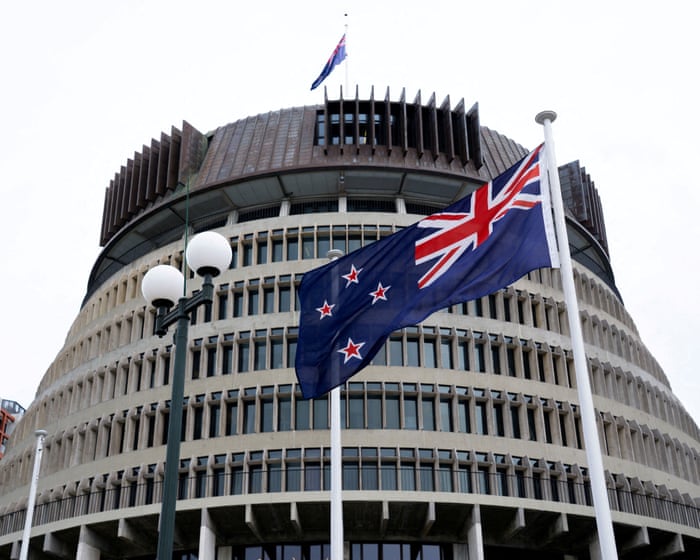
New Zealand has officially recognised English as an official language after parliament passed a bill that critics have dismissed as a pointless and ideological exercise. The legislation, which became law on 30 July, grants English the same official status as te reo Māori and New Zealand Sign Language, reflecting its use by 95% of the population.
The bill originated from a coalition agreement between the centre-right National Party and the populist New Zealand First, led by Winston Peters, who has long opposed affirmative policies for Māori. National needed support from New Zealand First and another minor party, Act, to form a government.
Government officials had advised against the bill, saying there was no evidence that English was under threat. Te reo Māori and sign language had been made official specifically to protect linguistic minorities. Despite this, the coalition and the main opposition Labour Party voted in favour, while the Greens and Te Pāti Māori opposed it.
During the final debate, Green MP Tamatha Paul delivered a speech that went viral online, describing the bill as "a pathetic waste of the responsibility of this house." She accused coalition members of being "snowflakes" who "shiver in their boots" at the sight of the Māori name Aotearoa.
Speaking for New Zealand First, MP Casey Costello defended the legislation as a practical measure that aligns the statute book with longstanding practice and clarifies the status of English within the official framework. Foreign Affairs Minister Peters has previously argued the law was needed because the use of Māori in public services caused confusion. Labour said it had voted for the bill despite opposing it, to move past a "needless culture war."
Linguist Dr Sidney Wong from the crown research centre Te Pūnaha Matatini said the measure was based on ideology, not necessity. English was not under threat, he argued, and if the government truly wanted to protect English, it would fund research into how New Zealanders speak it, rather than passing a 70-word law that benefits no one.
Law professor Dr Dean Knight of Victoria University of Wellington called the legislation a pointless exercise that changes nothing legally or practically, since English already dominates. He said those expecting the law to mandate English priority in government communications would be disappointed. "Like before, Aotearoa New Zealand will continue to have three official languages," he said.