How to freeze ice cubes faster – and keep them clear
Freezing ice faster can involve the counterintuitive Mpemba effect, where warm water sometimes freezes quicker than cold, though a cold freezer and small trays remain the most reliable method. Scientists have studied the phenomenon since the 1960s.
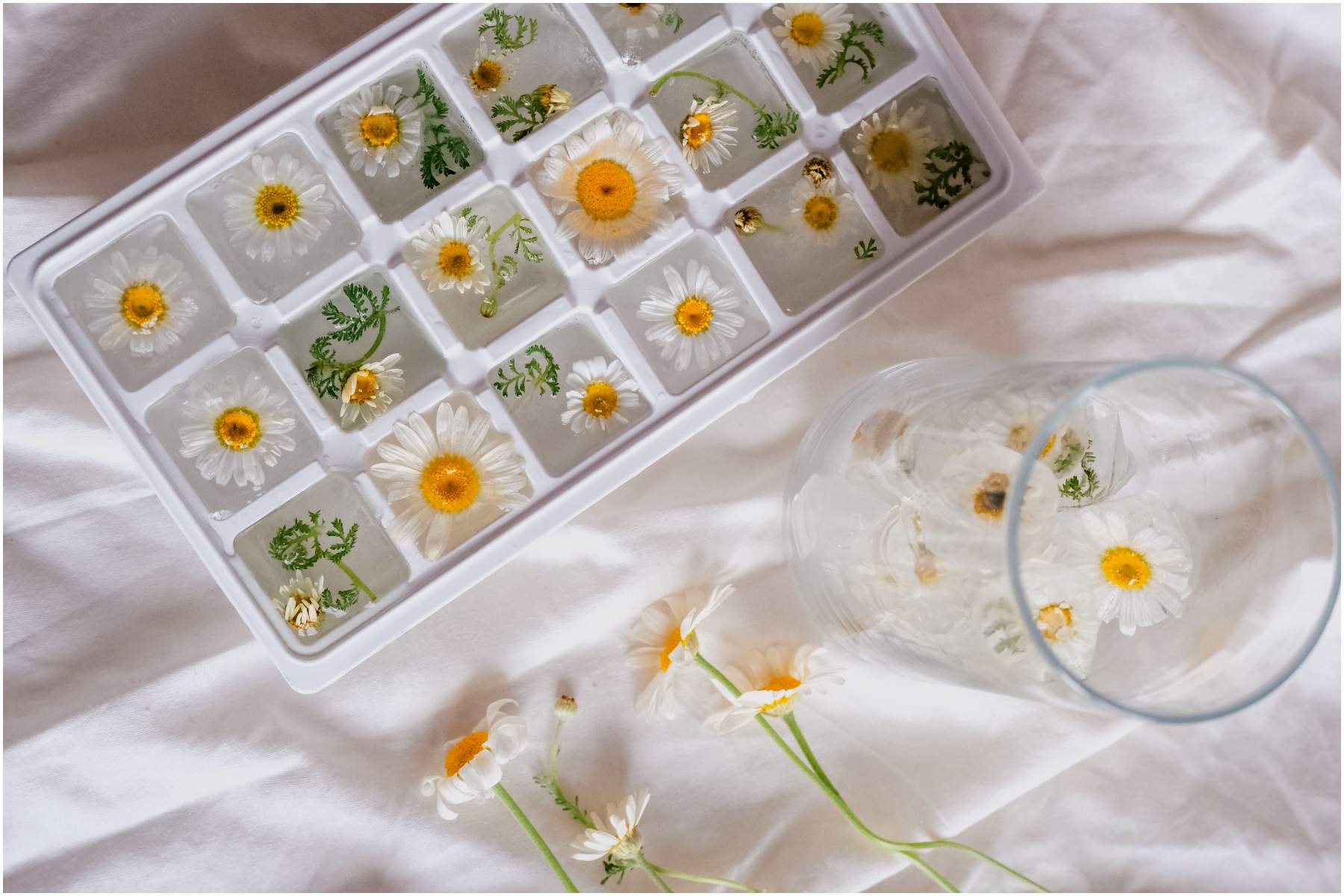
When guests are already at the door and the ice tray still hasn't frozen, a few science-backed tricks can help.
Warm water can sometimes freeze faster
It seems illogical, but in certain conditions warm or even hot water freezes faster than cold water. This is known as the Mpemba effect, named after Tanzanian student Erasto Mpemba, who noticed the phenomenon in the 1960s. Possible explanations include evaporation — warm water loses some of its volume, leaving less liquid to freeze — as well as water movement within the container, temperature distribution, dissolved gases, and how closely the container contacts the freezer's cold surface.
Importantly, the effect is not guaranteed. Experiments have produced mixed results depending on the starting temperature, amount of water, the shape and material of the container, and freezer settings. Warm water is worth trying, but it shouldn't be relied on as a sure method.
Getting clearer ice
Cloudy, white ice forms because gases and dissolved substances in the water get trapped inside as it freezes. One simple fix is to boil the water before freezing and let it cool, since boiling reduces the amount of dissolved gas. Still, this doesn't guarantee fully clear ice, as controlled freezing also plays a role.
The freezer matters more than water temperature
For faster freezing overall, the freezer itself matters most — the colder it is and the better the air circulation, the faster heat is drawn out of the water. Smaller ice trays freeze quicker than one large container, since each compartment holds less water. It also helps to avoid opening the freezer door unnecessarily, as each opening lets in warmer air and briefly raises the internal temperature.