How E-Ink Works in Electronic Readers
Ereaders form images with tiny microcapsules moved by electrical charge, so the screen uses power only when the image changes. The trade-off is slower refresh rates and far fewer colors than LCD or OLED tablets.
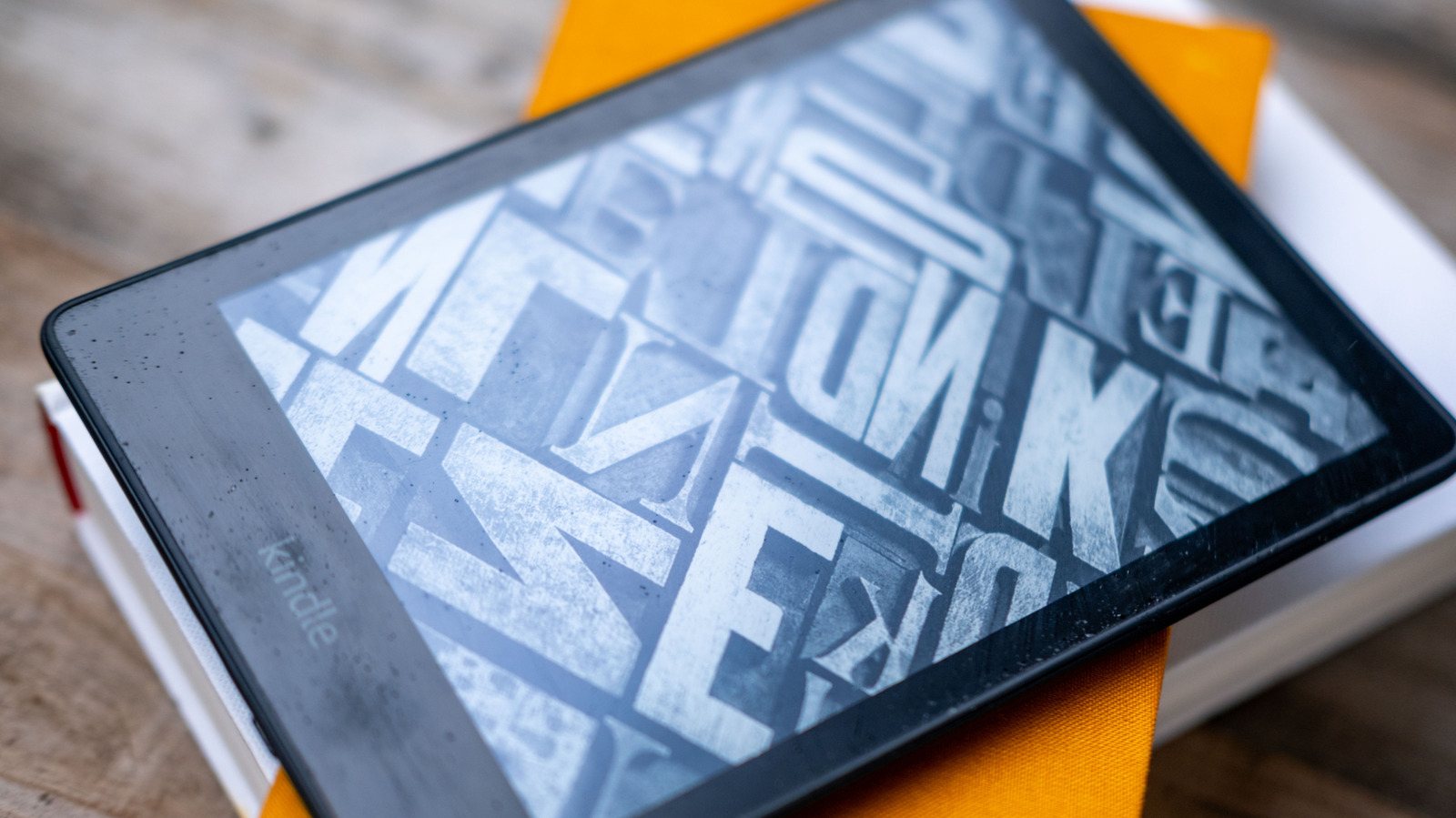
Electronic readers used for books display images with e-ink technology, which works differently from the LCD and OLED screens in tablets. Tech outlet Engadget has explained how the system functions and why it brings both advantages and limits.
Microcapsules and electrical charge
E-ink does not emit light. Each pixel is represented by a tiny microcapsule. E Ink, the company that partners with firms such as Amazon and reMarkable, says even its most basic black-and-white capsules are about as wide as a human hair. Some panels use a related technology called Microcups, but the core principle is the same.
To change the image, the device briefly applies a positive or negative current. This pushes certain particles to the top or sinks them to the bottom, and the eye registers the resulting combination. Color panels contain several particle types, while black-and-white ones use two.
Once a charge is applied, the particles stay in place and no more power is needed until the image changes. LCD and OLED panels consume power continuously while updating the display. As a result, ereaders can sit unplugged for weeks or months, whereas an iPad may drain within days.
Like paper, e-ink relies on ambient light. Newer models include lamps, but these point at the screen rather than at the reader's eyes. In a well-lit room they can be switched off without hurting legibility.
Limits of the technology
The main obstacle to color e-ink in all devices is refresh rate. Cinema runs at 24 frames per second, many TV shows and YouTube videos at 30, and app graphics often reach 60 or more. Moving physical particles that quickly is difficult, and 60Hz e-ink displays have become possible only recently.
Color range is the other constraint. E Ink's best products top out at 4,096 colors, while even the cheapest LCD manages 16.7 million and HDR panels reach billions. Color e-ink may suit comics, but not photorealistic images.
Engadget concludes that, because of the laws of physics, ereaders will probably stay behind the best LCD- or OLED-based tablets.