Which language does Latgale's youth use to learn the faith – Latgalian or Latvian?
A survey and interviews with parishes across Latgale show that First Communion and Confirmation classes are mostly conducted in standard Latvian, even though church services often use the Latgalian language.
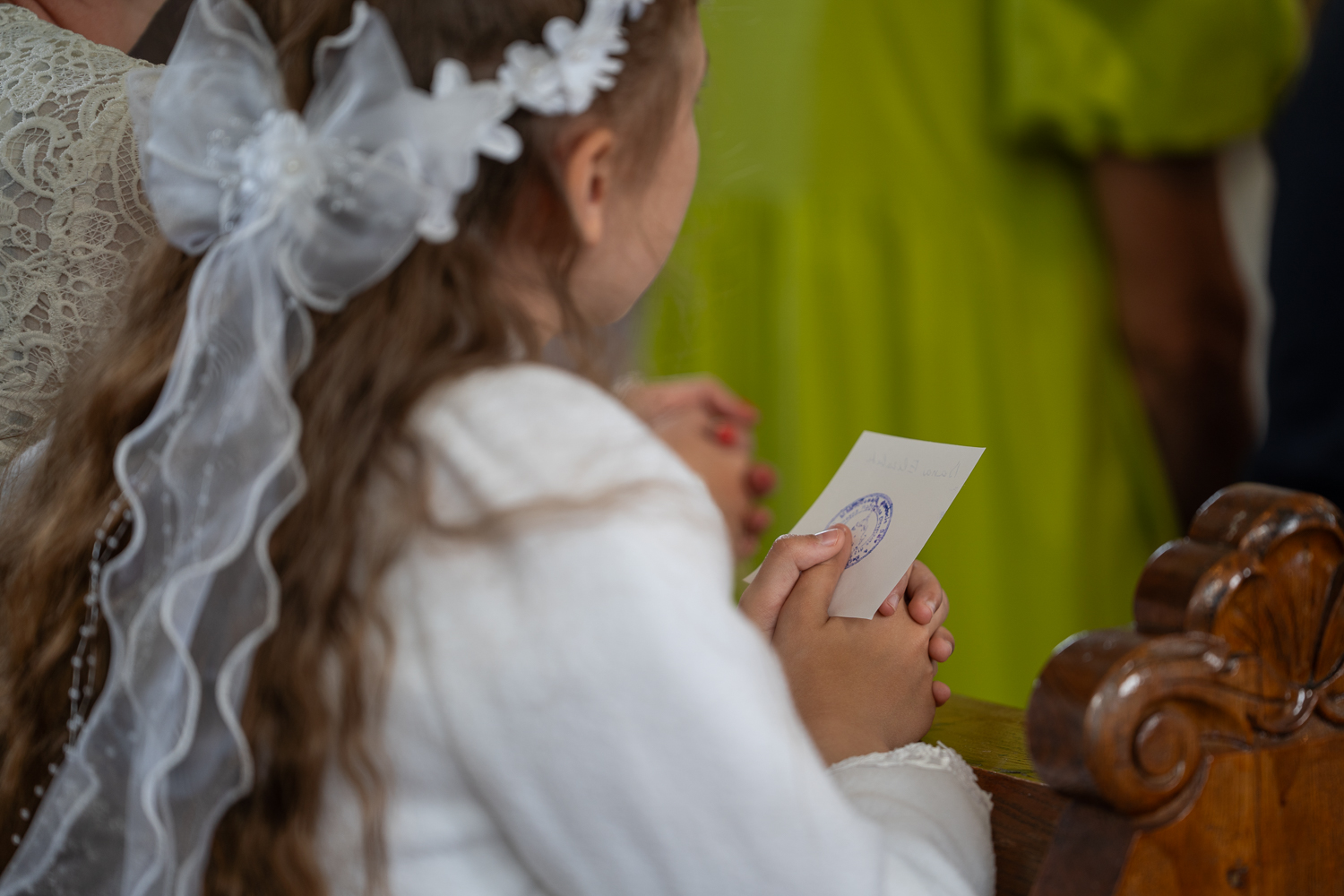
The news portal LaKuga.lv examined how widely the Latgalian language is used in the religious upbringing of children and teenagers preparing for First Holy Communion and the Sacrament of Confirmation. Both are considered initiation sacraments received only once in a person's life, typically by children and teens roughly between the ages of 9 and 15 or slightly older.
In a reader survey conducted by the portal, 130 people responded, and 129 of them confirmed they themselves had received these sacraments. Several respondents noted that in Latgale, Catholic faith is traditionally passed down through generations and is closely tied to Latgalian identity.
Findings across parishes
The report looked at three parishes: Viļaka, Zilupe, and the Rozentova parish in Rēzekne municipality. In the Viļaka parish, catechism classes are held in standard Latvian, since, according to the parish's catechist, children generally do not speak Latgalian at home and the language feels foreign to them. Nevertheless, church services there are conducted in Latgalian, giving children at least the chance to hear the language.
In the Zilupe and Pasiene parishes, which include both Russian- and Latgalian-speaking believers, catechism is taught individually, with the language adapted to each child. Russian speakers reportedly find Latgalian harder to understand than Latvian, so it is used less in daily parish life. In the Rozentova parish, Sunday school is conducted in whichever language the children themselves use – both standard Latvian and Latgalian – and according to the teacher, Latgalian is used fairly widely in parish life there.
Overall, the report concludes that while most Catholic services in Latgale are held in Latgalian, dedicated teaching materials in the language are essentially unavailable, aside from the catechism itself. This means the church remains one of the few places where younger generations can hear and learn Latgalian, even though everyday speech and instruction more often defaults to standard Latvian.


