California becomes first US state to require efficient replacement tires
California has approved rules requiring replacement tires to be as fuel-efficient as those sold with new vehicles, aiming to cut emissions and driver costs. The move has drawn praise from environmental groups but pushback from parts of the tire industry and conservative commentators.
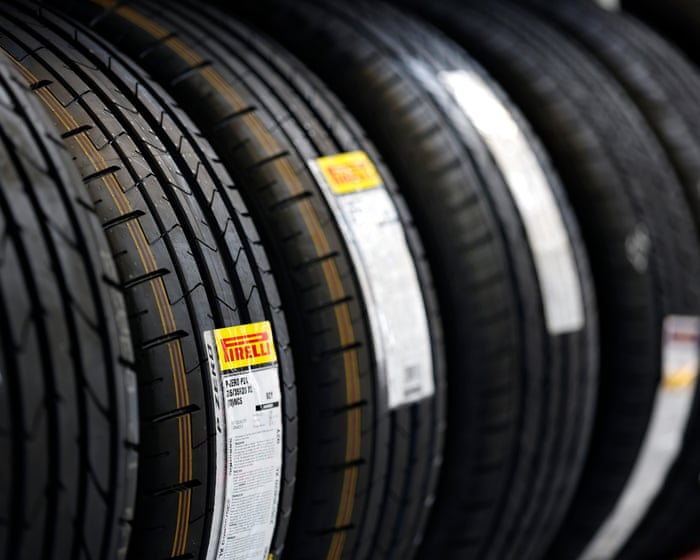
The California Energy Commission (CEC) has unanimously approved new regulations requiring replacement tires to match, on average, the energy efficiency of tires sold with new vehicles — making California the first US state to adopt such standards.
According to the CEC, tires that come with new cars have lower "rolling resistance," allowing vehicles to travel farther per gallon of gas or per charge, while used or older replacement tires tend to waste more energy. The first phase of the rules takes effect in 2029, with a stricter second phase following in 2033.
The commission estimates the standards will save California drivers close to $1bn annually in fuel and electricity costs, while cutting carbon dioxide emissions by about 2m metric tons a year — roughly equivalent to removing 400,000 gasoline-powered cars from the road.
Support and opposition
Environmental and clean-air groups welcomed the decision, as did tire maker Michelin, which said the efficiency targets were technically achievable. However, other manufacturers and industry groups, including Goodyear, Yokohama and the California Tire Dealers Association, objected in an April letter, warning that tire prices could rise by $6 to $10 each, with second-phase tires potentially costing hundreds of dollars more per set.
A representative of the United States Tire Manufacturers Association raised concerns about enforcement and the risk of cheaper imported tires compromising safety. Some conservative commentators also criticized the rules as excessive regulation.
The CEC countered that the added cost per tire would be modest — $1.50 in the first phase and $6.50 in the second — while a typical gasoline vehicle with more efficient tires could save about $179 in fuel over the tires' lifespan. California lawmakers first mandated work on such standards back in 2003, but the effort was delayed for years while the state waited for federal rules that never materialized.