California Scientists Wipe Out Childhood Brain Cancer in Mice With New Immune Cell Therapy
Researchers at the University of California, San Francisco (UCSF) have developed B-SYNC CAR-T, an immune cell therapy that activates only inside the brain. In mouse studies it completely eliminated diffuse midline glioma, and human trials could begin in April 2027.
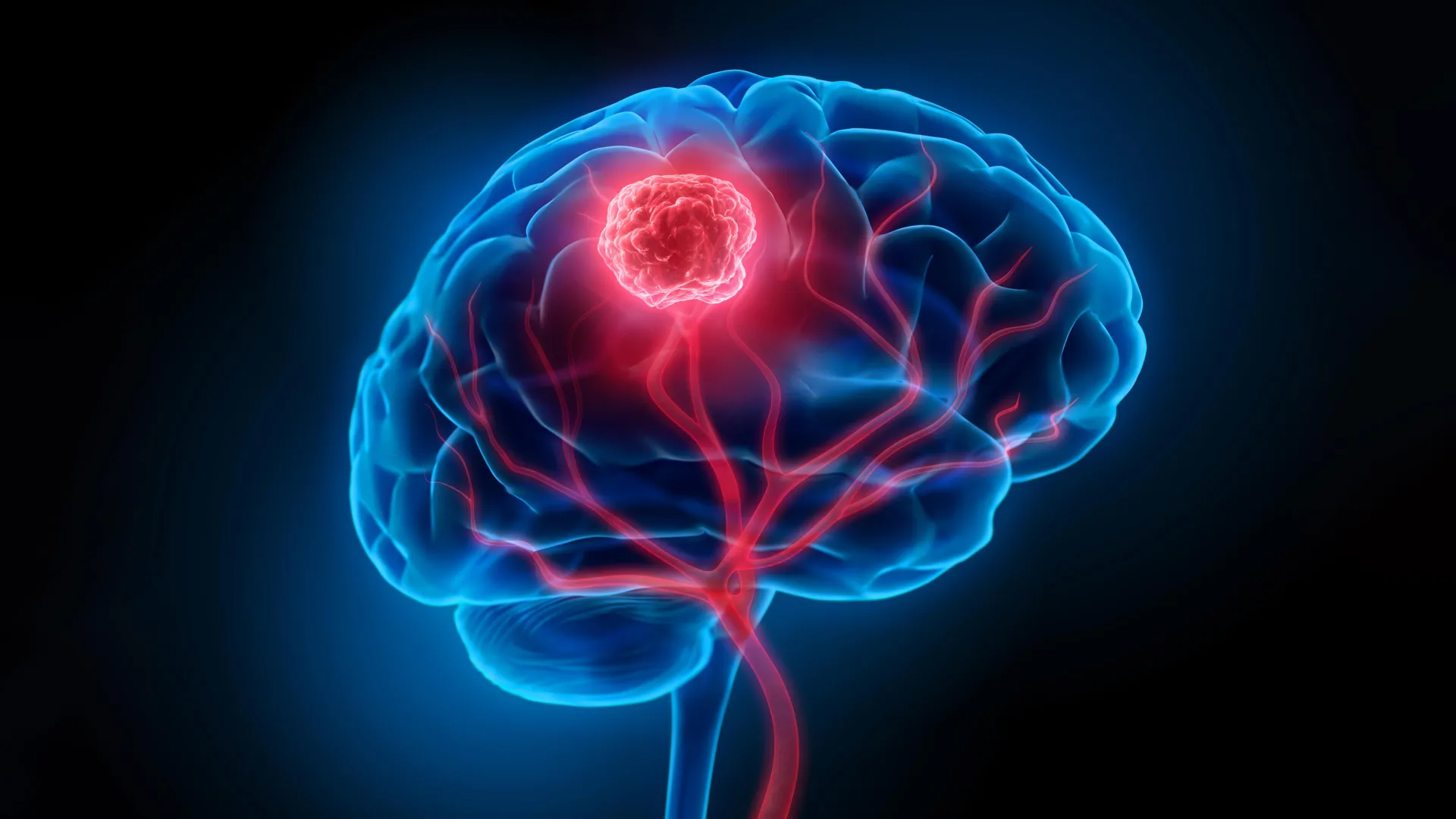
Scientists at the University of California, San Francisco (UCSF) have developed a new kind of immune cell therapy that switches on only inside the brain, so it attacks cancer there while staying inactive in the rest of the body. In experiments on mice, the engineered cells completely eliminated diffuse midline glioma (DMG), an aggressive childhood brain cancer that spreads into surrounding healthy tissue. The results, published on October 28 in Science Translational Medicine, are now being used to prepare the first human studies.
DMG grows in the brainstem, the region that controls breathing, heartbeat and swallowing. Nearly all children diagnosed with it die within a year, and existing treatments have done little to halt its progression.
How the therapy works
The therapy is called B-SYNC CAR-T. In standard CAR-T treatment, a patient's T cells, a type of immune cell, are modified to carry receptors known as CARs that recognize proteins on cancer cells. This approach has so far struggled against brain tumors. B-SYNC cells are programmed to build the CAR only when they meet brevican, a protein found naturally throughout the brain. Once active, they hunt for cancer cells carrying the proteins EphA2 or IL13Rα2.
The design builds on an earlier therapy, E-SYNC, developed for glioblastoma. It worked only on tumors with the mutated protein EGFRvIII, which is present in about 20% of patients.
Results in mice
When given intravenously, some cells reached the brain and began producing CAR receptors there, while cells in the blood and spleen did not. When the cells were injected directly into the brain's ventricles, the cancer disappeared in every mouse tested, across two models carrying human DMG tumors. Conventional CAR-T cells failed to control the tumors.
About seven weeks later, researchers introduced fresh cancer cells, and every treated mouse rejected them. B-SYNC cells were still functional more than 70 days after treatment. Researchers suspect this is linked to T cell exhaustion, since delaying activation until the cells reach the brain may preserve their strength, although the precise reason is unclear.
Next steps
Clinical trials at UCSF Health could start as early as April 2027, using each patient's own T cells. They will be led by physicians Marie Jaeger-Krause and Sabine Mueller and will test combinations of intravenous and direct brain delivery. For direct delivery, surgeons will implant a shunt linked to a reservoir under the scalp for repeated doses. The therapy's effectiveness in humans has not yet been tested.