Cannabis terpenes offer new hope for fibromyalgia and post-surgical pain without the high
Researchers at the University of Arizona Health Sciences found that four cannabis terpenes—geraniol, linalool, beta-caryophyllene, and alpha-humulene—significantly reduced pain in mouse models of fibromyalgia and post-operative pain. Unlike THC, these compounds do not produce psychoactive effects. The study was published in Pharmacological Reports.
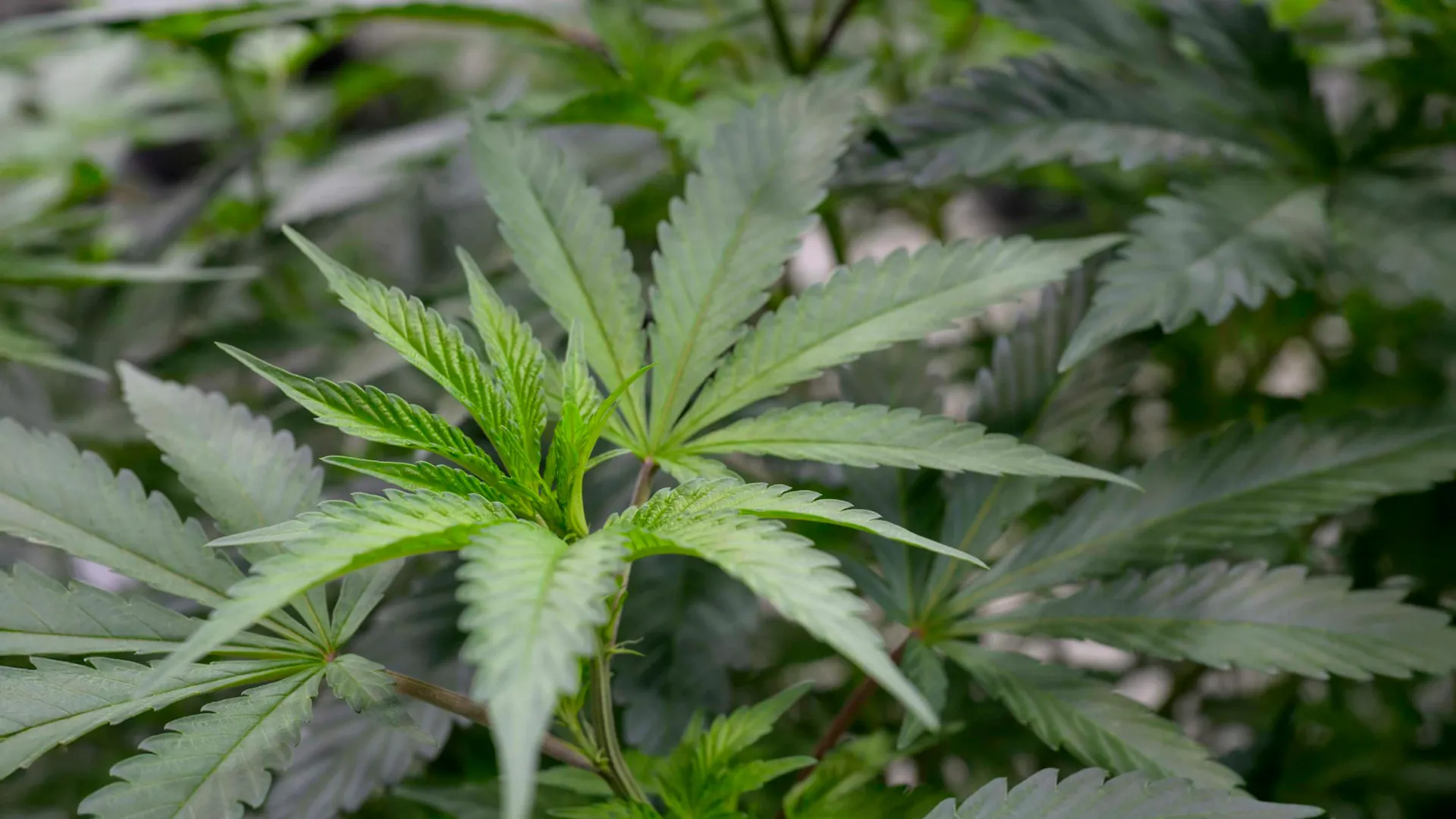
Scientists from the University of Arizona Health Sciences have identified compounds from the Cannabis sativa plant that may lead to new treatments for fibromyalgia and post-surgical pain. The findings, published in Pharmacological Reports, add to evidence that cannabis-derived molecules can relieve chronic pain without the psychoactive effects associated with THC.
The research builds on earlier work by Dr. John Streicher's lab, which found that terpenes reduce pain in models of inflammation and chemotherapy-induced nerve damage. "Our research is showing that terpenes are not a good option for reducing acute pain resulting from an injury... however, we are seeing significant reductions in pain when terpenes are used for chronic or pathological pain," said Streicher, a professor in the Department of Pharmacology at the U of A College of Medicine – Tucson. This study was the first to investigate terpenes in preclinical models of fibromyalgia and post-operative pain.
Terpenes are natural compounds responsible for plant scents and flavors; in cannabis, they provide aroma and may have medicinal properties. Unlike tetrahydrocannabinol (THC), terpenes do not cause psychoactive effects, making them attractive for pain research. The team examined four common cannabis terpenes: geraniol, linalool, beta-caryophyllene, and alpha-humulene. In mouse models of fibromyalgia and post-operative pain, all four produced substantial pain relief, with geraniol being the most effective, followed by linalool, beta-caryophyllene, and alpha-humulene.
Fibromyalgia, a chronic pain disorder affecting muscles and soft tissues, is estimated to impact up to 5% of the global population (Healthcare (Basel), 2023). In the U.S., about 4 million adults have fibromyalgia, with women affected more often. "With fibromyalgia, there isn't much understanding of what the pain state is, and there are not a lot of great options for treating it," Streicher noted. "Our findings show that terpenes may be a viable treatment option for fibromyalgia pain, which could potentially have a large impact and make a difference for an under-treated population."
The researchers also explored terpenes for post-surgical pain, which occupies a middle ground between acute and chronic pain. Although temporary, surgery triggers inflammation and increased pain sensitivity. "Opioids do a good job controlling post-surgical pain, but they can cause constipation that can increase the chances of post-surgical complications such as adhesions," Streicher said. "We are always looking for better options, and this study suggests that terpenes could be a novel therapeutic for post-operative pain." Worldwide, approximately 310 million major surgeries are performed annually (International Journal of Surgery, 2020), highlighting the need for safer pain management.
The compounds appeared to act through the adenosine A2a receptor—the same pathway targeted by caffeine—suggesting terpenes may also have sedative properties, warranting further investigation. Co-authors include Caleb Seekins, Alyssa Welborn, and Abigail Schwarz. The study was funded by the National Institutes of Health.
/nginx/o/2026/05/11/17629738t1h6521.png)

/nginx/o/2026/10/06/17958727t1he5d2.jpg)