Why bite a whole apple instead of drinking apple juice, doctor explains
Physician Pēteris Apinis explains why whole, locally grown apples are healthier than apple juice in autumn, highlighting their fiber, antioxidant and digestive benefits. He notes that even wolves get much of their autumn diet from eating apples in orchards.
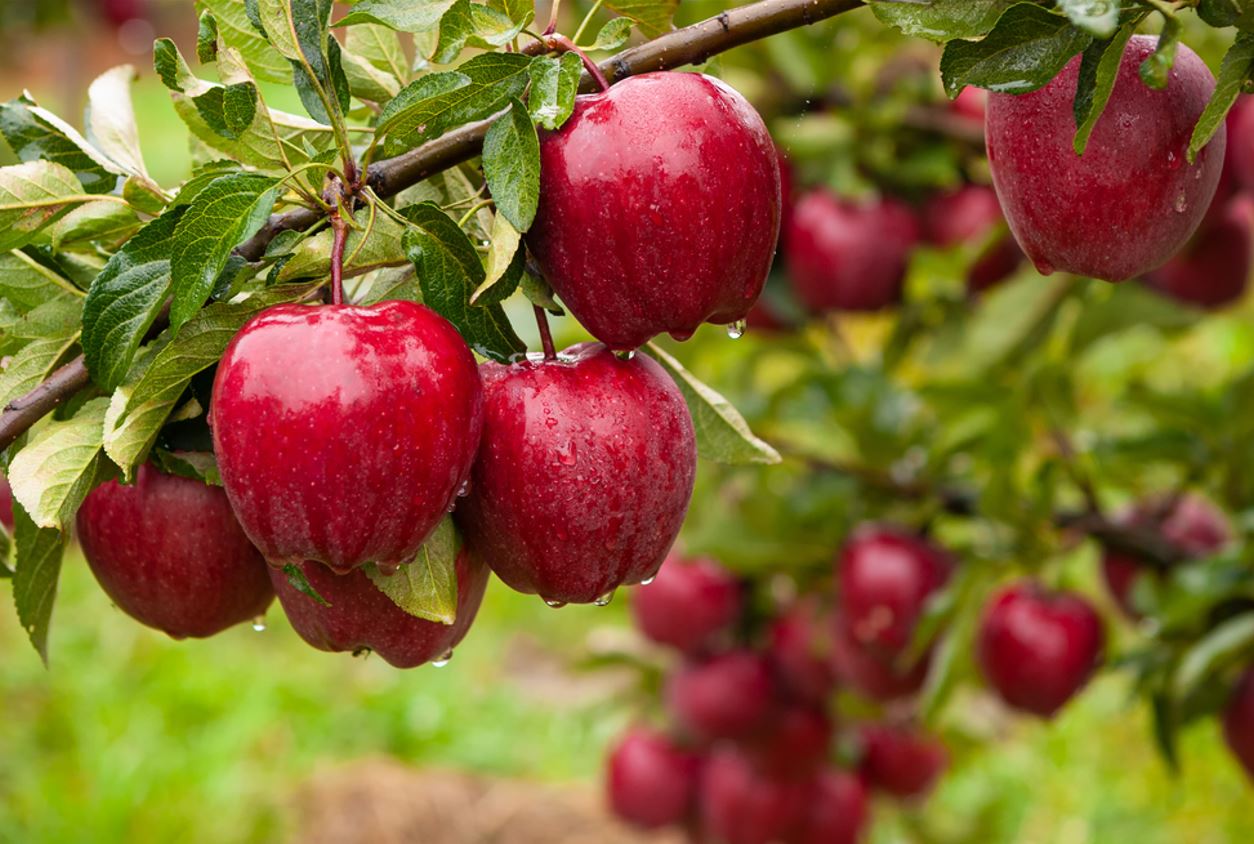
Physician and columnist Pēteris Apinis explains why, during autumn, people should choose a whole, Latvian-grown apple rather than a glass of apple juice. He opens with a curious observation: in autumn, wolves obtain more than half of their food by eating apples in orchards at night, while deer are instead disturbed mainly by hunters during this period.
Health benefits of apples
Apples are rich in fiber, water and polyphenols, most of which are concentrated in the peel. Apinis recommends choosing local apples bought roadside rather than supermarket imports, which are often stored in gas chambers or treated with pesticides. Eating a whole apple aids weight control more effectively than drinking juice, since fiber slows stomach emptying and creates longer-lasting satiety.
Regular apple consumption is linked to lower risk of heart disease and stroke, a low glycemic index, and possibly reduced risk of type 2 diabetes. Pectin in apples acts as a prebiotic for gut bacteria, while quercetin in the peel supports the immune system and may help protect the brain from oxidative stress.
Why not juice
Juicing removes nearly all fiber, including pectin, leaving mostly water and fruit sugar. This causes a much sharper rise in blood glucose and insulin compared to eating a whole apple, and does not produce the same feeling of fullness. Additionally, chewing a whole apple benefits dental health, as saliva naturally rinses the mouth, whereas juice exposes tooth enamel to acids and sugar.
Apinis suggests eating up to two large apples a day in autumn, when the body needs extra support to strengthen immunity.


/nginx/o/2025/01/12/16592191t1haffe.jpg)