Why movie tie-in video games have all but disappeared
Video games released alongside blockbuster films used to be common practice, but the trend has nearly vanished in recent years. Ballooning production costs and lengthy development cycles are the main culprits.
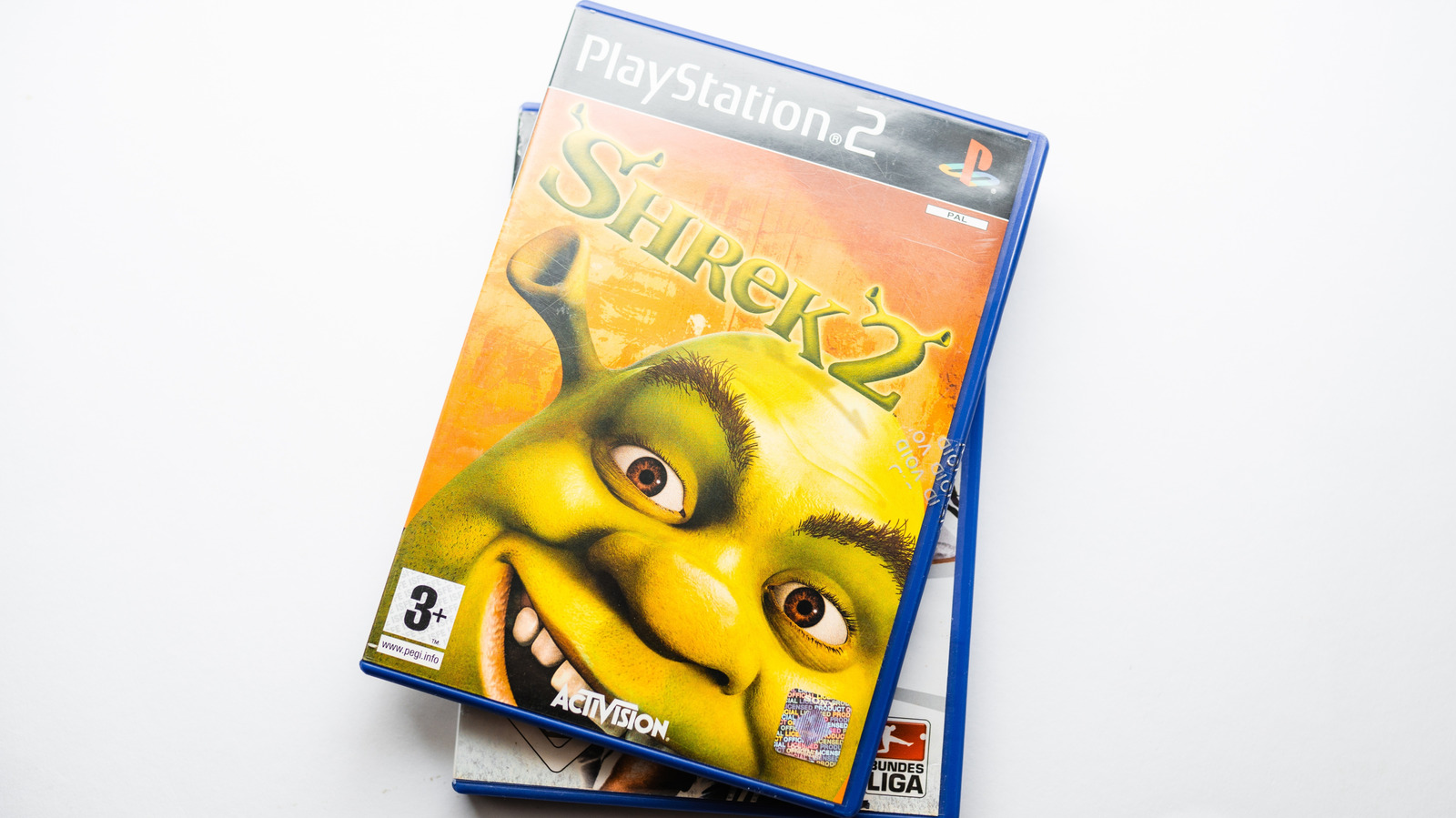
Up until the early 2010s, it was nearly guaranteed that any major blockbuster would arrive alongside its own video game. Quality varied wildly, but occasional standouts like Spider-Man 2 (2004) and X-Men Origins: Wolverine (2009) emerged from the pack. In 2007 alone, more than 30 licensed movie games hit the market. By 2025, that output has shrunk to minor additions within existing games, such as a themed Minecraft server tied to its movie or Fortnite skins linked to The Fantastic Four: First Steps.
Money is the main driver
Game development costs have surged over the years — Half-Life 2 cost around $40 million in 2004, while Marvel's Spider-Man 2 reportedly cost close to $300 million. On top of standard development expenses, tie-in games require licensing deals with film studios and sometimes payments for using actors' likenesses. These agreements can also include revenue-sharing arrangements with the rights holder. As budgets climb, so does risk, and several studios have faced layoffs or closures following underperforming releases in recent years.
Time constraints and secrecy
Another major obstacle is development length — a typical AAA game now takes five to seven years to build, while films are usually produced in under two and a half years. Developers once received film scripts early in production, but as concerns about leaks grew, filmmakers became far more guarded about sharing assets, making synchronized releases even harder to achieve.
Why not indie studios?
Shifting tie-in development to smaller indie studios isn't a viable fix either, since their budgets are typically too small to cover licensing costs, and major film studios are reluctant to trust less-established teams with valuable franchises. Instead, the market has pivoted toward games set within a film's broader universe rather than direct adaptations, as seen with the success of the Batman: Arkham series and recent Spider-Man titles.