Why the Nintendo GameCube used small discs
Nintendo built the GameCube around proprietary miniDVDs instead of standard DVDs, a choice that shaped the console's price, design and likely its sales figures. The format brought clear trade-offs for both the company and players.
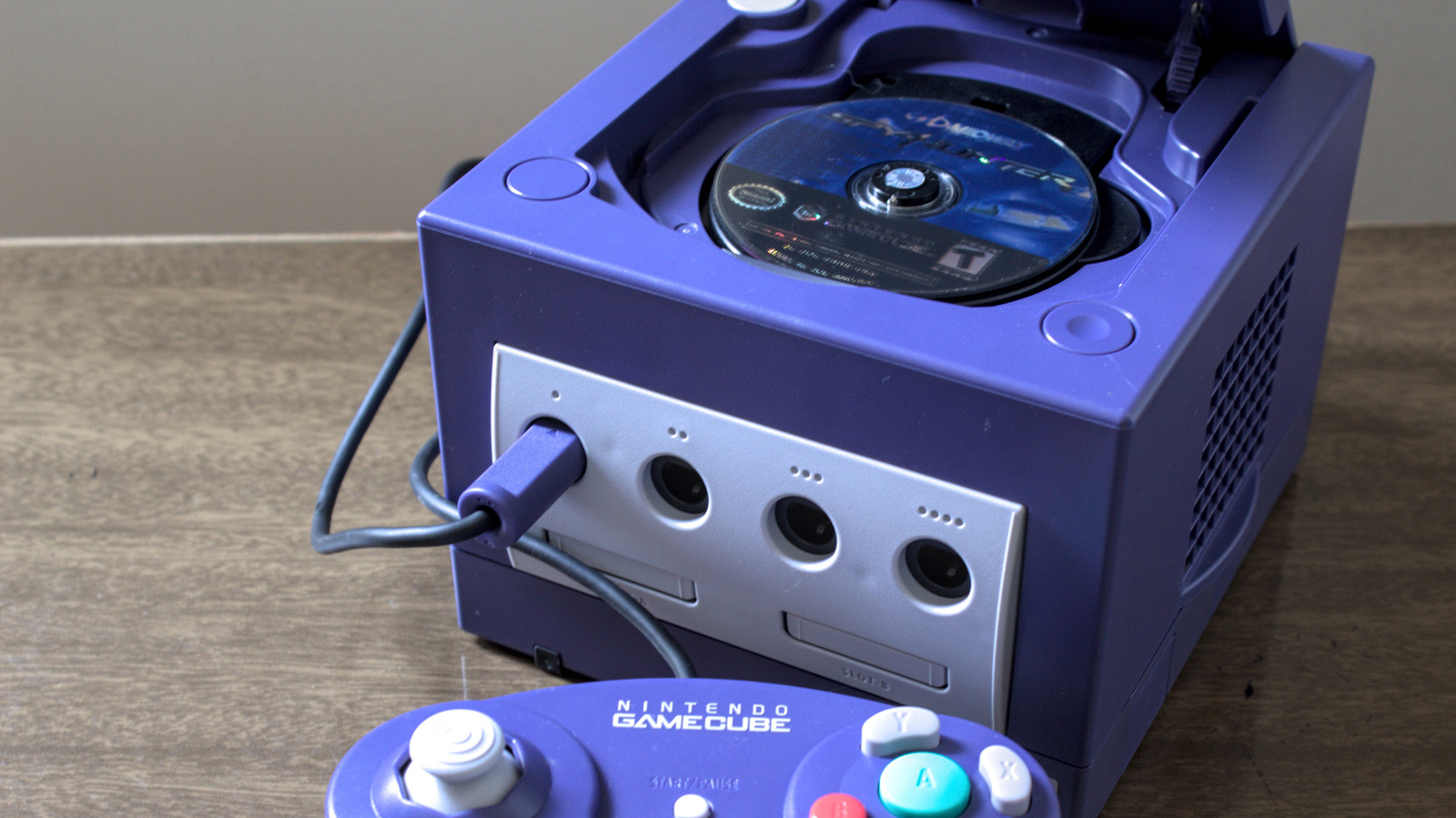
Instead of standard DVDs used by rivals like the PlayStation 2 and Xbox, Nintendo equipped the GameCube with proprietary miniDVDs measuring just 3.15 inches in diameter, compared to the 4.17 inches of a regular DVD. These discs could not be read by ordinary DVD drives and held under 1.5GB of data each, a tiny amount next to the up to 100GB capacity of modern PlayStation 5 Blu-rays. Because the discs were read-only and the console had no internal storage, players needed separate memory cards to save progress.
The reasoning behind the format
Nintendo's decision was driven by several factors. Smaller discs were much harder to pirate, since almost no consumer PC DVD burners of the early 2000s could read the proprietary format. The choice also meant the GameCube couldn't play DVD movies, which let Nintendo avoid paying DVD Forum licensing fees estimated at $20 per unit. Additionally, the compact disc size allowed for a smaller optical drive, helping make the GameCube one of the lightest and most compact home consoles ever released, weighing just 5.7 pounds compared to the Xbox's 8.8 pounds. The reduced disc size also shortened the distance the laser needed to travel, giving the GameCube notably faster loading times than the PS2.
The format additionally supported a lower price point: the GameCube launched in late 2001 at $200, undercutting both the PS2 and Xbox, which each launched at $300.
Effect on sales
The miniDVD choice likely hurt GameCube's commercial performance. The console sold 21.74 million units over its lifetime, trailing the Xbox's 24 million and falling far short of the PS2's roughly 160 million. Unable to double as a DVD player, the GameCube missed out on the appeal of an all-in-one entertainment device at a time before streaming was common. Weak third-party support, including the absence of any Grand Theft Auto or mainline Final Fantasy titles, also contributed to its underperformance relative to competitors.