Why representation in the EU's Committee of the Regions matters for Ukrainian communities
The EU Committee of the Regions offers Ukrainian cities and regions the chance to set up their own representative offices in Brussels, yet only a handful of communities use this option. A columnist explains why presence in Brussels is becoming a marker of a community's capacity to attract donors and investors.
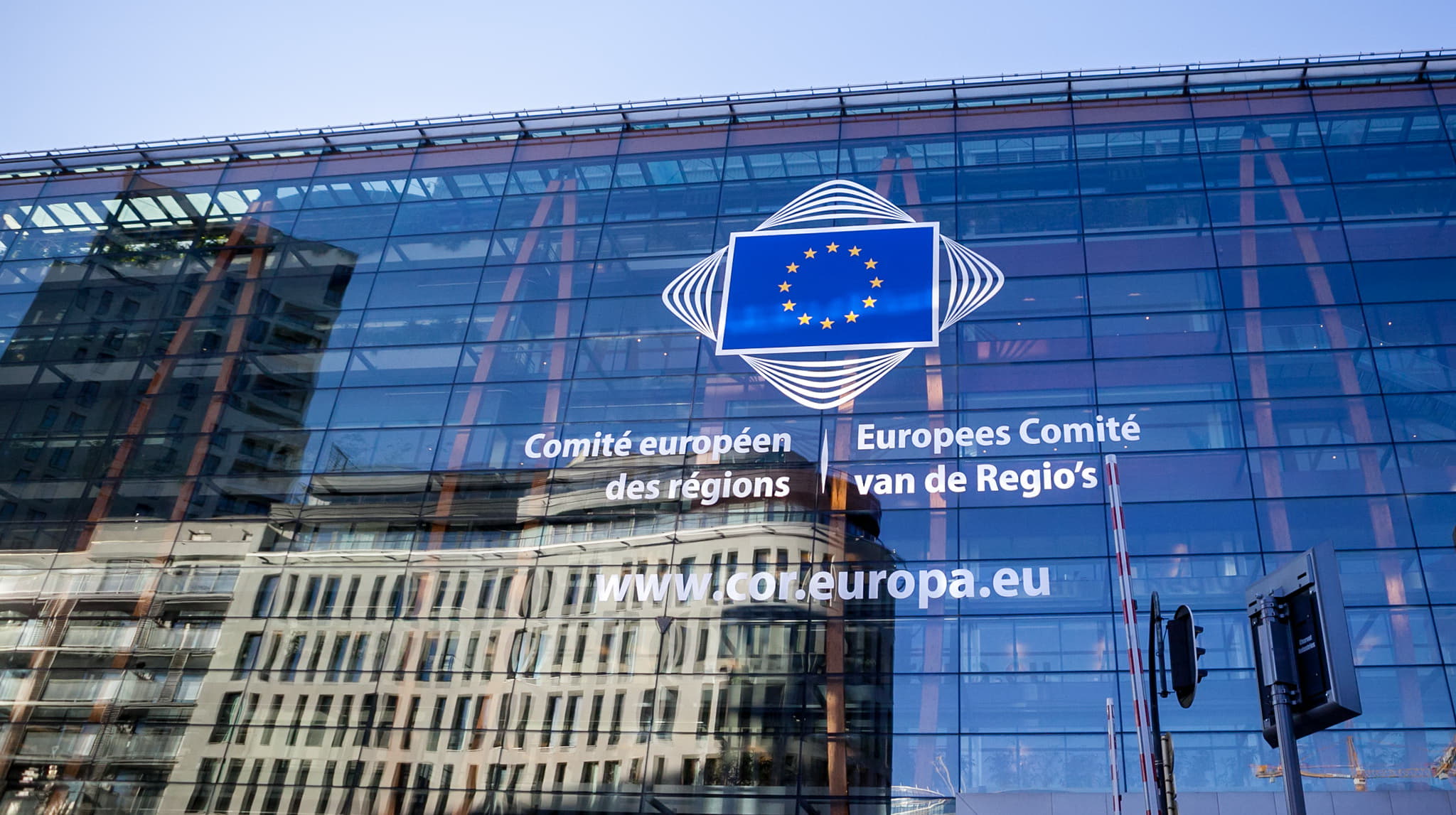
The EU Committee of the Regions is an advisory body whose purpose is to ensure local government positions influence EU decision-making. It already allows Ukrainian cities, regions and their associations to organize representative offices in Brussels — the only requirement is a letter to the Committee's president requesting space and naming a community contact person. Still, few in Ukraine know about this option, and even fewer use it.
Several Brussels-based structures work with Ukrainian communities and reconstruction efforts, including the European Alliance of Cities and Regions for the Reconstruction of Ukraine, the Committee of the Regions' Working Group on Ukraine, and the Joint Consultative Committee. None of these draw much demand from the Ukrainian side either, largely because many doubt that participation changes anything.
Why presence matters
Unlike European regions such as Bavaria or Tuscany, which have permanent offices, MEPs from their own districts, and direct contacts with European Commission directorates-general, Ukrainian communities lack all of these channels — including Committee membership itself, since Ukraine is not an EU member, though it can join the Committee's working groups. The Committee prepares assessments and recommendations on community involvement in Ukraine's reconstruction and EU integration, and takes part in dialogue on the Ukraine Facility support programme.
Participation guarantees nothing automatically, but European partners and donors tend to prefer working with communities that have built management teams and transparent governance procedures. While researching Ukrainian representative offices in Brussels, the author found very few existed and that contact information was hard to track down. Those who did respond to her outreach turned out to represent cities that attract the most international assistance and host international organizations' offices.
The author identifies three types of community leaders in how they approach external opportunities: the cautious type, the pragmatic type, and those who treat development as a personal project. A permanent office offers something a single trip cannot — horizontal ties with people who draft decisions, not just those who sign them, plus an understanding of procedural timing. Meanwhile, Ukraine is also building a legal foundation for intercity international cooperation: the Cabinet of Ministers has approved regulations for a new Ministry of Communities, Territories and Internally Displaced Persons, which includes coordination with EU structural funds.