Cemetery Festival Season: From Ancient Beliefs to Modern Traditions
In Latvia, cemetery festivals blend ancient pagan customs with Christian traditions. The article covers historical development, contemporary practices, superstitions, and provides a schedule for the Ogre region.
Historical Roots
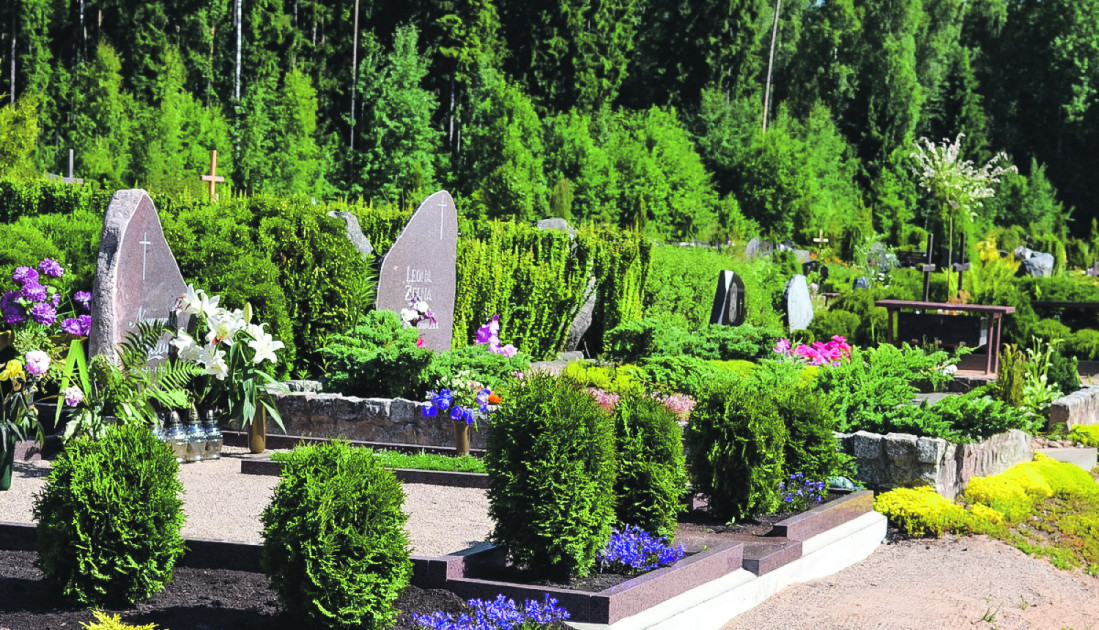
The tradition of cemetery festivals (kapusvētki) in Latvia has deep pagan origins. In ancient times, cemeteries served not only as burial sites but also as places for rituals where people communicated with the deceased. Similar customs existed in Slavic lands. With the arrival of Christianity, burials gradually moved to churchyards, and the tradition of prayers in cemeteries began a few centuries ago in Vidzeme, later spreading throughout the territory. In 1636, Curonian Lutheran pastor Paul Einhorn noted that Latvians often buried their dead in their own burial sites in fields and forests, not in cemeteries, and had to be persuaded to do otherwise.
Contemporary Practice
Today, cemetery festivals typically include a church service or a secular ceremony with music, poetry, and speeches. Celebrations may continue within the family or as a community event. Grave maintenance is important—not only for one's relatives but also for abandoned graves. However, the new Cemetery Law states that if a grave is left untended for three years, the municipality may revoke usage rights, but if it is cleaned up, the decision is reversed.
On the day of the festival, believers have the opportunity to attend Holy Mass and a procession. The procession symbolizes life's journey and is a form of prayer. At the front, a cross is carried, followed by children, altar servers, clergy, and other believers. Participants sing hymns and stop at four corners of the cemetery at improvised altars where prayers for the deceased are said.
Beliefs and Customs
Numerous superstitions are associated with cemetery festivals, arising from a blend of Christian and pagan traditions. For example, when going to the cemetery, a cross should be carved into a tree so that the deceased's soul does not return. Boiled peas and beans are brought to the cemetery. Upon first entering, one must pray at the gate. Plants from the cemetery should not be taken without burying money in their place. There are also beliefs about the funeral horse, stepping over the cemetery mound, the deceased being without shoes, and the use of brandy.
Schedule of Cemetery Festivals in Ogre Region
The article includes a list of cemetery festivals in the Ogre region from July to August, specifying dates, times, denominations, and cemetery names. For instance, on July 4 at 10:00 a.m. Lutheran festival at Zizāni Cemetery in Birzgale parish, on July 5 at 2:00 p.m. Catholic festival at Ikšķile Old Cemetery, on July 19 at 12:00 p.m. Lutheran festival at Ogre City Cemetery, etc.