Kärcher CEO warns Europe faces a 'perfect storm' and urges economic reforms
Hartmut Jenner, head of German cleaning equipment maker Kärcher, warns in a Euronews opinion piece of deindustrialisation in Germany and calls for less bureaucracy and a tougher EU trade policy.
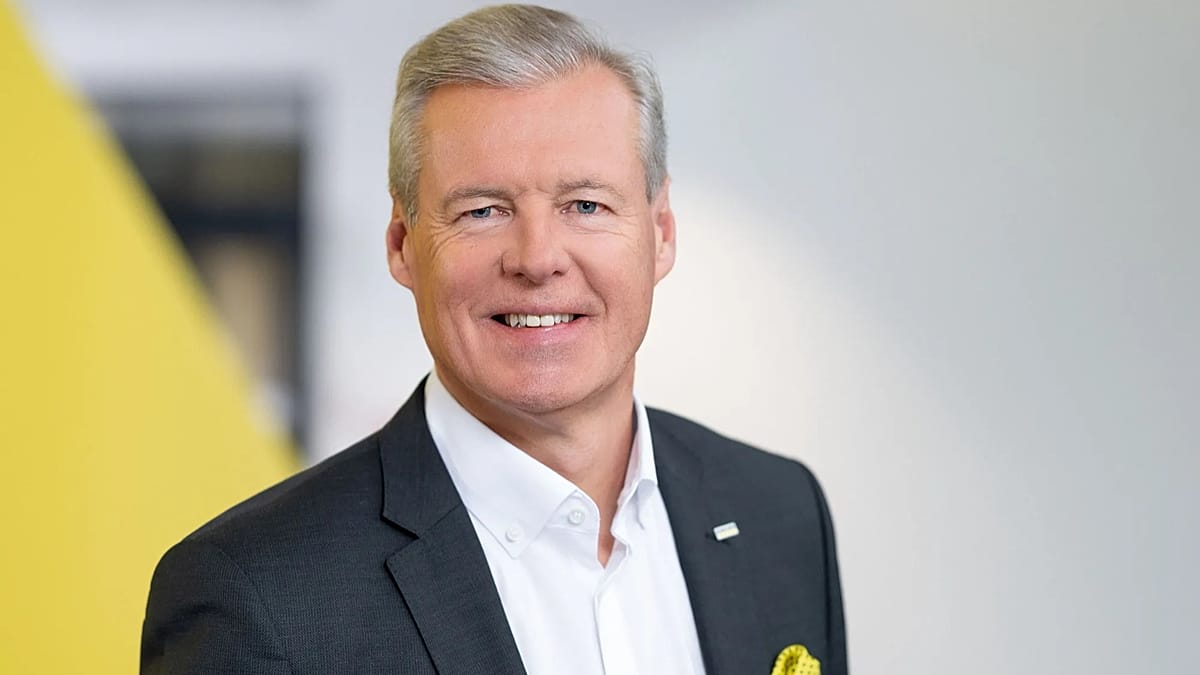
Hartmut Jenner, chief executive of German cleaning equipment manufacturer Kärcher, believes Germany and the rest of Europe are facing a "perfect storm". He set out his view in an exclusive opinion piece for Euronews, pointing to geopolitical crises, US trade policy and China's technological rise.
Pressure from the US and China
Jenner writes that the unpredictable US trade policy keeps threatening tariffs and trade barriers without warning, which he calls a toxic scenario for free trade and export-oriented firms. In his view China is no longer just a low-cost manufacturer but a highly aggressive technology competitor that could outpace key European industries. He links this to targeted state industrial policy, heavy subsidies in strategic sectors and a currency policy focused on competitiveness. For privately run companies, he says, this makes fair global competition almost impossible.
Risk of deindustrialisation
Jenner, 61, has led Kärcher since 2001. He warns that the loss of tens of thousands of industrial jobs and falling production volumes show deindustrialisation is happening now. Because structural and labour costs are rising sharply, he says, new plants and jobs in Germany and Europe are barely economically viable. He calls the forecast 1.3% German growth "borrowed growth", driven by government debt, defence orders and subsidies.
Kärcher was founded in 1935 and remains family owned. In 2025 it generated almost €3.5 billion in turnover, 86% of it abroad. It operates in 87 countries, employs 17,000 people and has its headquarters in Winnenden, in the state of Baden-Württemberg.
Jenner's proposals
He calls for "a real fitness programme for Germany": less bureaucracy and fewer reporting obligations, lower energy and non-wage labour costs, incentives for overtime and flexible working hours, and a resolute EU trade policy that punishes rule-breakers. In his words, a change of mindset and less regulation are needed.


