War Creates a Quiet Divide Between Ukrainians Who Stayed and Those Who Left
Ukrainian artist Diana Berg reflects on an unspoken rupture between those who remained in Ukraine and those who fled after Russia's full-scale invasion, questioning whether they still share the same reality.
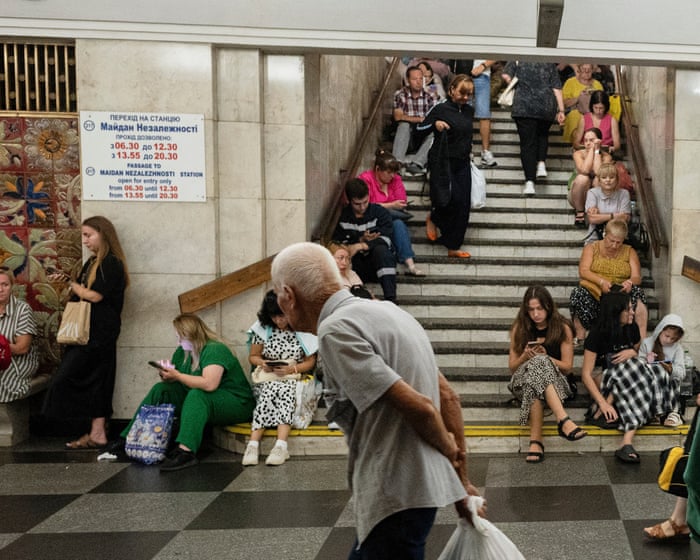
Diana Berg, a Ukrainian artist originally from Mariupol, writes about a silent yet devastating divide that has emerged among Ukrainians following Russia's full-scale invasion. This rupture, she says, runs not between Ukraine and the world, but between Ukrainians themselves – between those who left and those who stayed.
Berg recalls a moment when a colleague who moved to Europe in 2022 asked to reschedule a meeting. The seemingly innocent request triggered an unexpectedly strong reaction, making her feel that those who left do not understand the reality of those who stayed. However, later, while in Europe and hearing air raid alerts on phones – drones over Kyiv – she saw in her friends' faces the same fear and helplessness she felt. That moment made her realize that both groups experience the war, albeit in different versions.
The author admits to harboring contradictory thoughts. She catches herself thinking that while the struggles of those who left – bureaucracy, loneliness, uncertainty – are real, they exist within safety. She feels shame for such thoughts but they keep returning. She recalls a colleague's mention of depression, which triggered an ugly thought: "Are you really complaining about your depression while we are being shelled?" Shame followed.
More painful was another colleague's question: "How long can people keep using the war to make the rest of us feel guilty?" This remark stayed with Berg, fearing that she might be guilt-tripping others by mentioning her reality.
Berg describes how planning a trip for her is like a military operation, while those who left enjoy spontaneous concerts and weekends. She feels not only envy but anger. Yet she understands why.
She concludes that war has shifted the map of closeness. The people she loves now live in different countries, and she misses the feeling that they all inhabit the same reality. The "I" and "they" have replaced "we" – not because of lack of love, but because war places people inside different versions of the same story.