Underground war: former gas pipelines become a battlefield for Russian and Ukrainian soldiers
The Atlantic and The New York Times report on fighting beneath the front line, where Ukrainian and Russian troops move through former gas pipelines to avoid drone strikes. In October, a Ukrainian National Guard unit regained about 14 kilometers of pipelines.
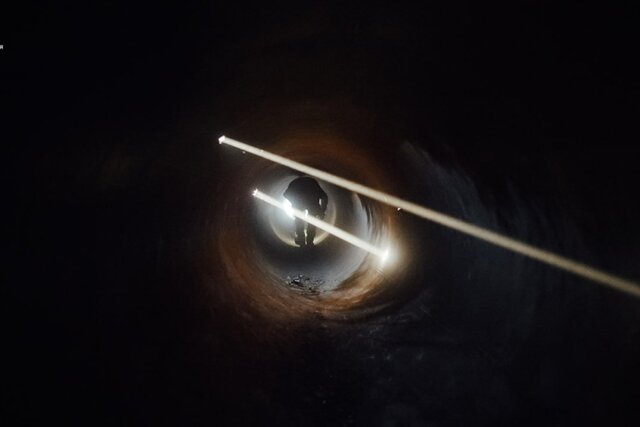
Ukrainian and Russian forces are fighting in underground tunnels formed by former gas pipelines beneath the front line during Russia's full-scale invasion of Ukraine. The US magazine The Atlantic and the newspaper The New York Times reported on this in October, and the outlet Meduza summarized their key points. The pipes once carried gas from Russia to Ukraine and other European countries. Soldiers now travel through them over long distances to avoid drone strikes and catch the enemy off guard. The tactic matters for the course of the war, as Ukrainian soldiers fear a Russian winter offensive.
Why fight underground
Both armies have been pushed below ground because drones make it hard to cross the so-called kill zone, a stretch of no man's land tens of kilometers wide. Drones can spot and attack any dugout, vehicle or even a lone soldier. Ihor Obolensky, commander of the Ukrainian National Guard's 2nd Khartiia Corps, who leads several thousand soldiers, said the kill zone widens every day and the answer is to go underground.
How it began
Russian troops started using the pipelines toward the end of the battle for Sudzha in Russia's Kursk region, a town Ukraine captured in August 2024. In early March 2025, between 100 and several hundred soldiers crawled several kilometers through the Urengoy–Pomary–Uzhhorod trunk gas pipeline and emerged behind Ukrainian lines. The operation, called Operation Pipe, helped Russia recapture Sudzha and other parts of the region, although Kremlin propaganda clearly exaggerated its effect.
Russian forces later used similar tactics inside Ukraine, including in the battle for Pokrovsk and around Kupiansk in the Kharkiv region. Maps from the state energy company showed at least 57 steel pipes running beneath the combat zone.
Operation Veles
Obolensky said that in October, after about six months of underground fighting, Khartiia regained control of roughly 14 kilometers of pipelines in northeastern Ukraine. He called it the first successful counterattack in such conditions, but expects many more operations will be needed, since most of the network remains under Russian control.