Cybersecurity expert warns of new real estate fraud scheme in Latvia
On TV24, cybersecurity blogger Elviss Strazdiņš described a case where a woman sold an apartment, later claimed she had been deceived, and the property was then seized, leaving the buyer in a difficult legal situation. He noted police had failed to act on information reported earlier by residents.
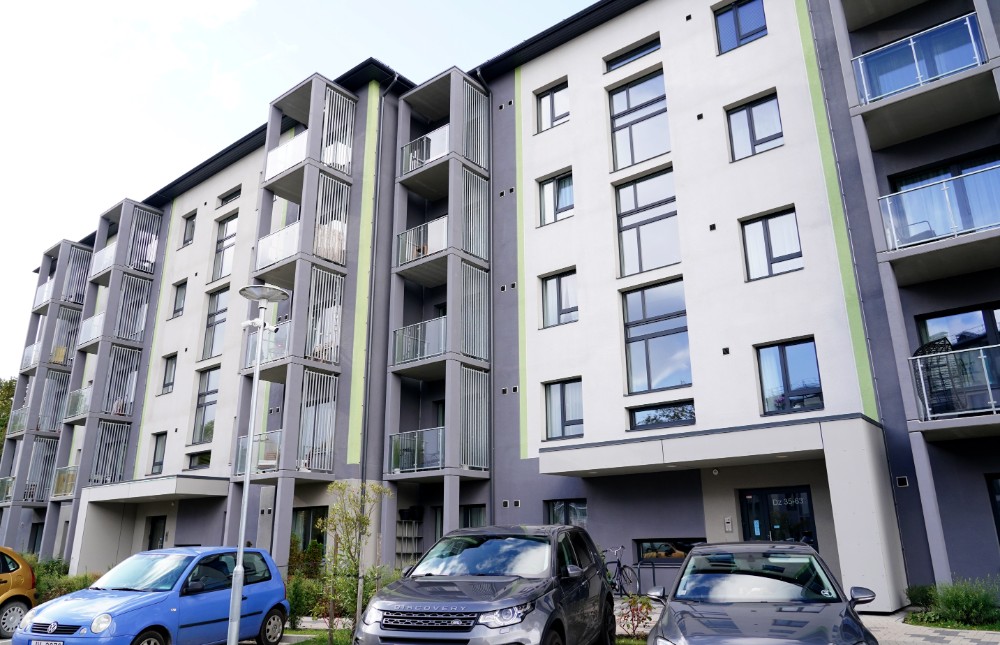
On the TV24 program “Uz līnijas,” programmer and cybersecurity blogger Elviss Strazdiņš discussed a real estate fraud case in which an apartment buyer ended up in serious trouble after completing a purchase.
According to Strazdiņš, a woman offered an apartment for sale, a purchase agreement was signed, and the deal was confirmed by a notary. However, he explained that a notary's involvement does not guarantee full protection — a notary only certifies that a signature is genuine and that the person signed without coercion.
Buyer left without recourse
After the deal was completed, the seller claimed she had never actually wanted to sell the apartment and that she had been deceived. Less than two months later, the apartment was placed under seizure (arrest). Strazdiņš explained that this puts the new owner in a particularly difficult position: the former occupant cannot be evicted from a seized property, yet the buyer must still continue paying real estate tax on it.
The expert warned that buyers should never try to resolve such conflicts themselves or attempt to evict the former owner, as this could worsen the situation — the matter must be settled in court regardless. He noted that Latvia has already seen a similar precedent where an apartment was returned to its previous owner following such a scheme, and this case appears headed toward a similar outcome.
Police ignored earlier reports
Strazdiņš pointed to a significant detail: residents who had already recognized the pattern of the scheme, after being contacted by other affected people, had reported specific addresses to police — but police declined to open a case. A few weeks later, those same apartments were indeed sold, and the victims began receiving calls from other people describing similar experiences: seized apartments and the looming threat of litigation.
The expert emphasized that some of these situations could potentially be prevented at an early stage, but this does not always happen when authorities fail to act on reported information. He advised people to be cautious if someone calls claiming to be, for example, a relative of the seller, and to verify identity by asking for specific local details that a genuine relative would know.

/nginx/o/2026/08/19/17857815t1hf5b3.jpg)