400,000-Year-Old Teeth From China Point to Homo erectus Genetic Legacy in Modern Humans
Researchers at the Chinese Academy of Sciences analysed proteins from six Homo erectus teeth and found a variant also seen in Denisovans. This suggests part of the extinct species' genetic legacy may have reached modern humans via Denisovans.
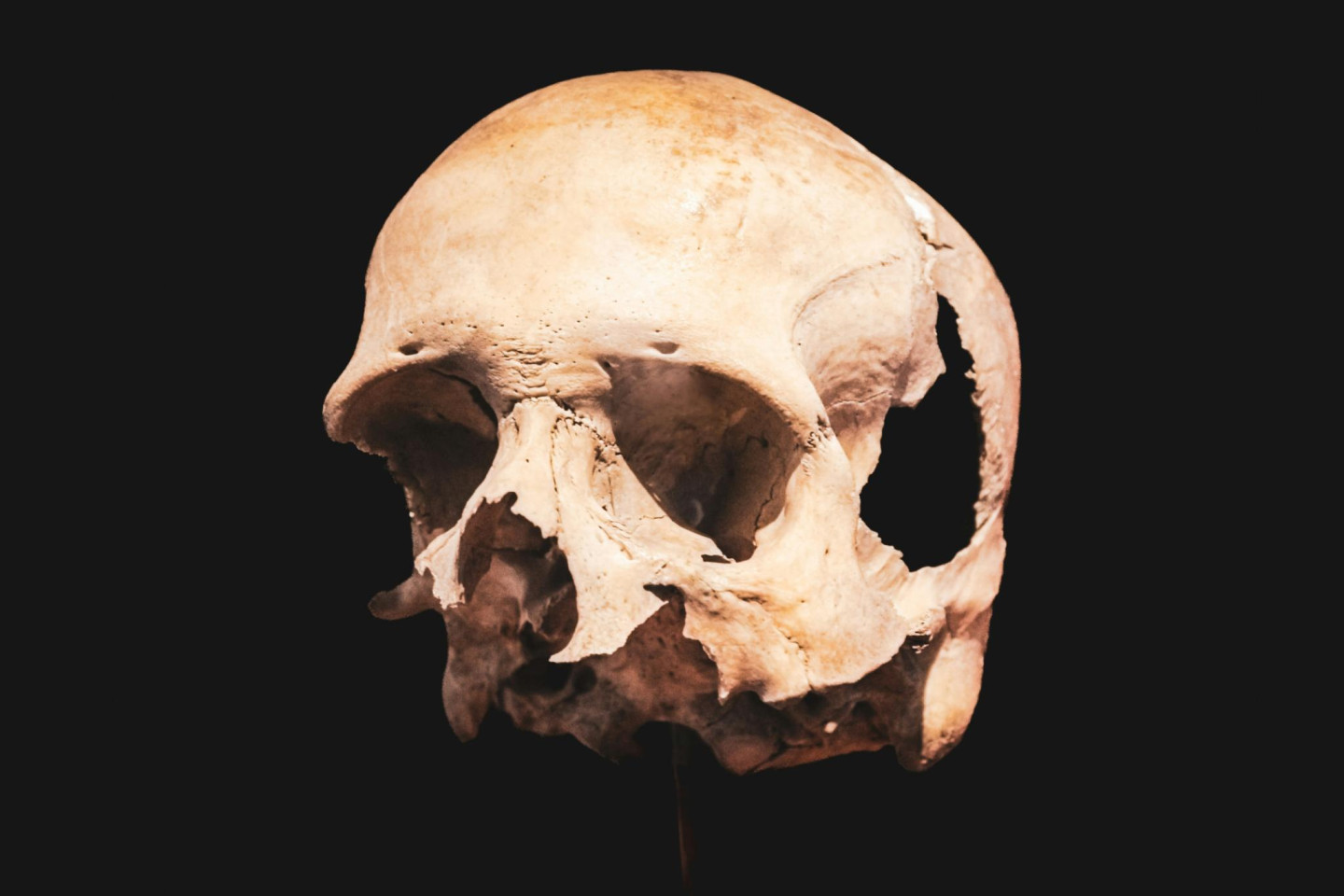
An analysis of teeth about 400,000 years old from China suggests that the genetic legacy of the extinct human species Homo erectus may partly survive in people today. The study was led by Qiaomei Fu of the Chinese Academy of Sciences and her colleagues, and was published in the journal Nature on 13 May 2026. The science outlet ScienceDaily drew renewed attention to it in early November.
What the researchers studied
The team analysed enamel proteins from six Homo erectus (“upright walking human”) individuals who lived in roughly the same period. The teeth were found at three sites in northern and southern China. The analysis showed that five samples belonged to males and one to a female.
Homo erectus was a widespread early human species, but the great age of its fossils and the conditions in which they survived make it very hard to obtain molecular information. For that reason the researchers examined proteins rather than DNA recovered from the teeth.
What they found
All six samples shared two amino acid variants, which are small differences in protein structure. The first variant had not been identified in the other human lineages used for comparison. It helped link the samples at the molecular level, even though differences in their outward appearance had previously sparked debate about how they were related.
The second variant had already been detected in Denisovans, an ancient human group. The authors suggest Denisovans may have acquired it from populations related to the Homo erectus studied here.
A possible link to modern humans
Some very ancient genetic fragments in the Denisovan genome later passed into our own species. According to the authors, the original source of some of these fragments could have been Homo erectus. The proposed chain is that populations related to Homo erectus interbred with Denisovans, who later passed part of their genetic heritage to the ancestors of modern humans.
The researchers describe this as a plausible explanation that still needs refining. The shared molecular variant and the possible coexistence of these ancient populations in East Asia support it, but a fuller picture requires more data from different regions and periods.