China's CO2 emissions dip amid Iran war, analysis finds
China's carbon dioxide emissions fell about 1% after the outbreak of the US-Israeli war on Iran, driven by a sharp drop in oil use and growing electric vehicle and public transport uptake. Analysts say this may mark a turning point in China's decarbonisation.
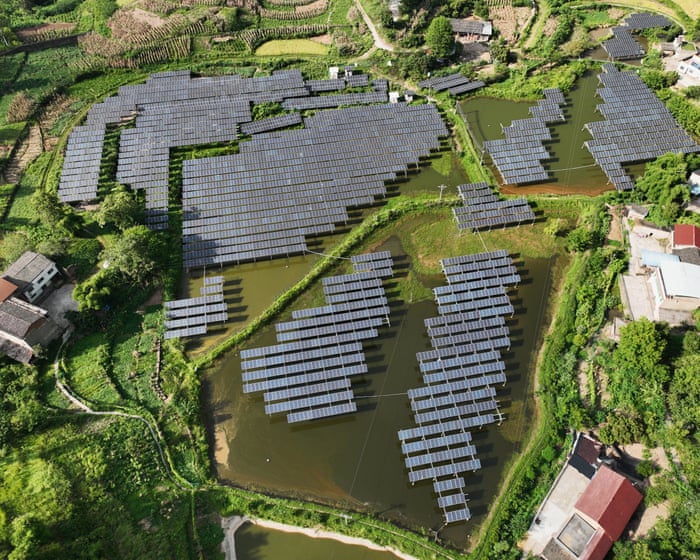
China's carbon dioxide emissions fell by roughly 1% following the outbreak of the US-Israeli war on Iran, according to new analysis by the Centre for Research on Energy and Clean Air for Carbon Brief, based on second-quarter data from China's National Bureau of Statistics.
The decline stemmed from a steep drop in oil consumption, partly offset by rising use of electric vehicles and public transport. Although China, the world's largest oil importer, cut oil imports by 32% — about a million barrels a day — overall transportation activity in the country actually increased.
This reduction helped stabilise global oil prices, which nonetheless surged around 60% in the weeks following the first US airstrikes in late February. The analysis suggests roughly two-thirds of the import decline came from drawing down strategic oil reserves rather than reduced demand, with the remaining third attributable to lower demand.
Overall oil use in China fell 9%, and by 16% in the transport sector specifically. While many petrol and diesel vehicles stayed parked, journeys by electric cars, buses, trains and trucks surged. This electrification trend predates the strait of Hormuz crisis — China is the world's leading manufacturer, user and exporter of batteries, electric vehicles, wind turbines and solar panels.
In the first half of 2026, China's shift to electric vehicles displaced an amount of oil equivalent to the UK's entire six-month consumption.
Analysts expect much of this reduced demand to persist even if global oil prices fall. Lauri Myllyvirta, lead analyst at the Centre for Research on Energy and Clean Air, said this marks the first time China's overall emissions drop was driven by falling oil use rather than coal. Coal generation actually rose during the quarter due to shifting economic incentives and delays in grid adaptation, which caused wastage of wind and solar power.
Despite this, observers including Ember analyst Dr Muyi Yang believe China's longer-term trajectory is away from fossil fuels, with the Iran crisis reinforcing confidence in the country's electrification-based energy security strategy.