Column examines why classic propaganda could not unite society in Latvia
In an opinion piece in issue 5 (2026) of the magazine Domuzīme, Māris Kūlis argues that classic propaganda methods could not unify society in present-day Latvia. He attributes this mainly to the structure of a liberal consumer society.
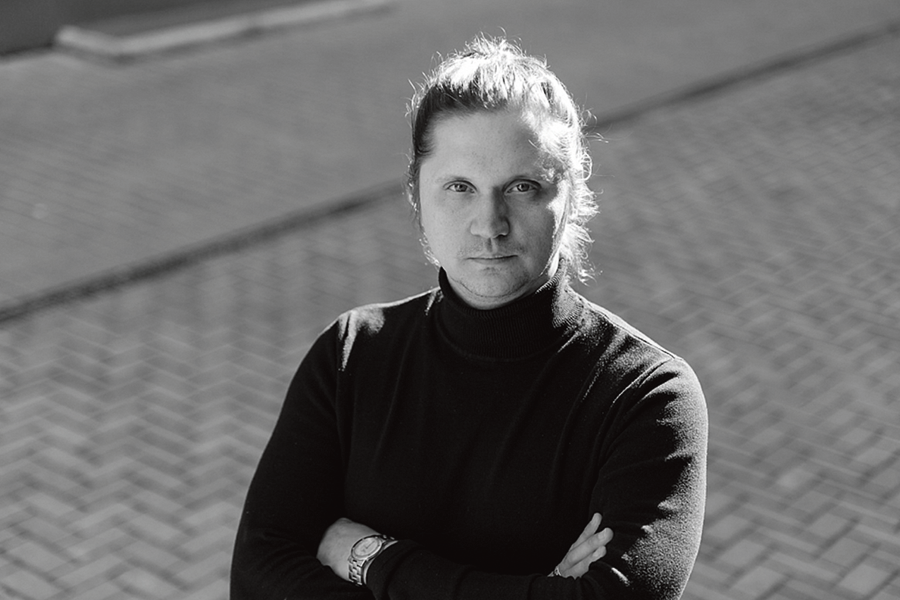
An opinion piece by author Māris Kūlis on social cohesion appears in issue 5 of the Latvian magazine Domuzīme for 2026. It is the author's own assessment, not a news report. Kūlis says the problem of societal cohesion has been tackled before in world history, and he cites Russia and North Korea, as well as the recent past of the Third Reich and fascist Italy.
The historical recipe
The author writes that the tools used are no secret. They are propaganda, both covert and overt, applied above all in the arts but also in state policy priorities that cater to the wishes of particular social groups. He lists cinema, music, theatre, literature, sport, a controlled media environment and the systematic use of cultural symbols. Together these can deliberately cultivate feelings that build social unity in a certain way.
Why it would not work in Latvia
Kūlis argues that classic propaganda would not be possible in present-day Latvia. He gives several reasons: politicians would lack courage, artists the desire, journalists the understanding and society the faith. The main reason, in his view, lies elsewhere. The internal logic of modern liberal society is built around a free consumer who joins the market easily and quickly, whether it trades in resources or in values.
According to Kūlis, the modern consumer believes advertising slogans rather than national narratives. Classic propaganda needs an audience that listens, he says. Members of today's liberal consumer society, in his words, are poor listeners: free, mobile, impatient and highly distracted.
The freely available part of the article ends with this argument. The rest of the text is available to subscribers.