Opinion: August storm served as an unplanned civil defense drill for Latvia
Columnist Anita Daukšte argues that the August storm and resulting power outages exposed unpreparedness among officials and state institutions, not just citizens. She contends that calls for individual responsibility cannot replace the state's duty to act for the common good.
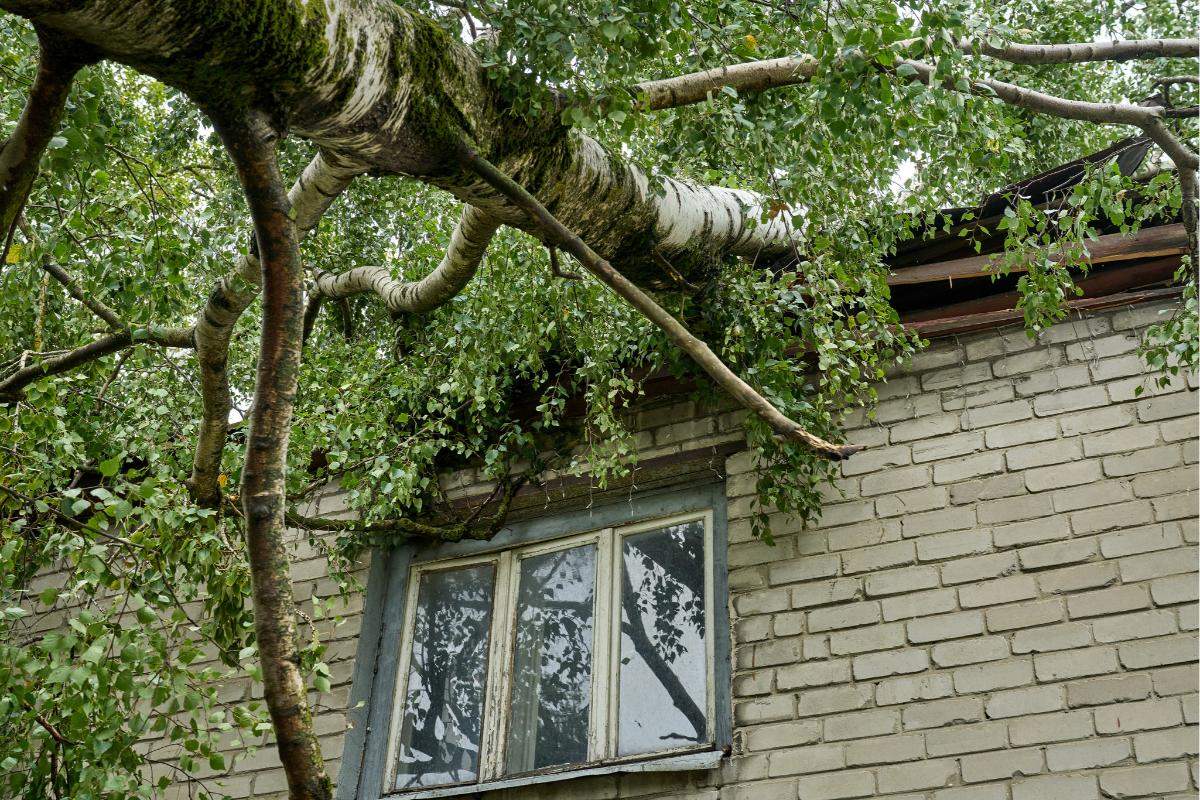
A powerful storm that hit Latvia in August, causing widespread power outages, is described in a commentary by columnist Anita Daukšte as an unplanned civil defense exercise that revealed which services and their leaders were prepared for a crisis — and which were not.
Daukšte criticizes officials who, after the storm, emphasized individual responsibility. She singles out statements by Liene Cipule, head of the State Emergency Medical Service, regarding 72-hour household preparedness, as well as remarks by Arvis Zīle, head of the Crisis Management Centre, who suggested households should buy their own generators to power essential systems — heating, water supply, and electric stoves — during outages. The author notes that generators can cost from several hundred to several thousand euros, calling it unacceptable for a state institution's leader to present this as the main solution rather than describing coordinated deployment of state and municipal generators to affected areas.
Communication failures
The article also highlights an admission by mobile operators, including the partly state-owned LMT, that they lack resources to keep communication tower batteries running for extended periods during power outages. This means that in prolonged outages, residents could be left without communication and unable to report emergencies.
Daukšte also references the state's crisis plan, which assumed Latvian Radio would broadcast information receivable via battery-powered radios kept in emergency kits. However, the broadcaster was largely silent during the storm, after which the head of its news service, Uģis Lībietis, resigned.
Daukšte concludes that individual crisis preparedness requires resources most of society lacks, and that state and municipal institutions appear similarly under-resourced. She suggests that when the government seeks European Commission funding for storm recovery, it should also reconsider whether green transition electrification targets are realistic given potential crisis scenarios.