Russia to Allow Destruction of Red Book Species Habitats for Construction from September 1
Starting September 1, 2026, new Russian regulations permit killing Red Book species or destroying their habitats if a construction project has no alternative site. Environmental groups criticize the move.
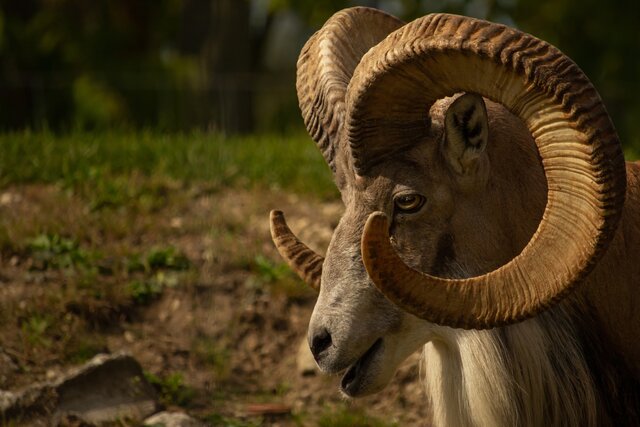
The independent Russian data project 'To Be Precise' has published an article detailing how Russia's Red Book works and upcoming changes. The Red Book is a list of endangered animals, plants, and fungi protected by law – killing or damaging them carries fines up to 5,000 rubles for individuals and up to 1 million rubles for companies, with criminal penalties for especially valuable species.
Exceptions for taking Red Book species, such as for population monitoring, had existed since 1997, but a 2009 hunting law banned it, creating a legal contradiction. Amendments in late 2020 lifted that ban, and new rules issued in 2026 take effect on September 1. The list of justifications has expanded significantly to include 'construction and reconstruction of facilities of federal and regional significance, as well as facilities under investment agreements of Russian regions', provided no other site is available for the project. This opens major opportunities for developers and mining companies.
Environmental outlet Kedr writes that instead of preserving Red Book species in their natural habitat, the state is proposing a procedure to remove them from land slated for development. This is especially dangerous for plants and fungi, which depend on specific soil, hydrological conditions, and ecosystem interactions – destroying a habitat often means destroying the species itself in that area.
The latest Red Book of Animals (2020) lists 443 species (152 new, 122 removed), with 11 considered probably extinct, including the dhole (Asiatic wild dog) not seen for decades and the striped hyena last spotted in 1953. The new rules, critics say, could accelerate the loss of rare species.