Russia turns to foreign fuel imports as domestic aviation kerosene output drops
Ukraine's Defence Intelligence says Russia has imported at least 70,000 tonnes of Jet A-1 aviation fuel from South Korea and Egypt after strikes cut domestic kerosene production. The fuel is reportedly used across Russia's military aircraft fleet and jet-powered attack drones.
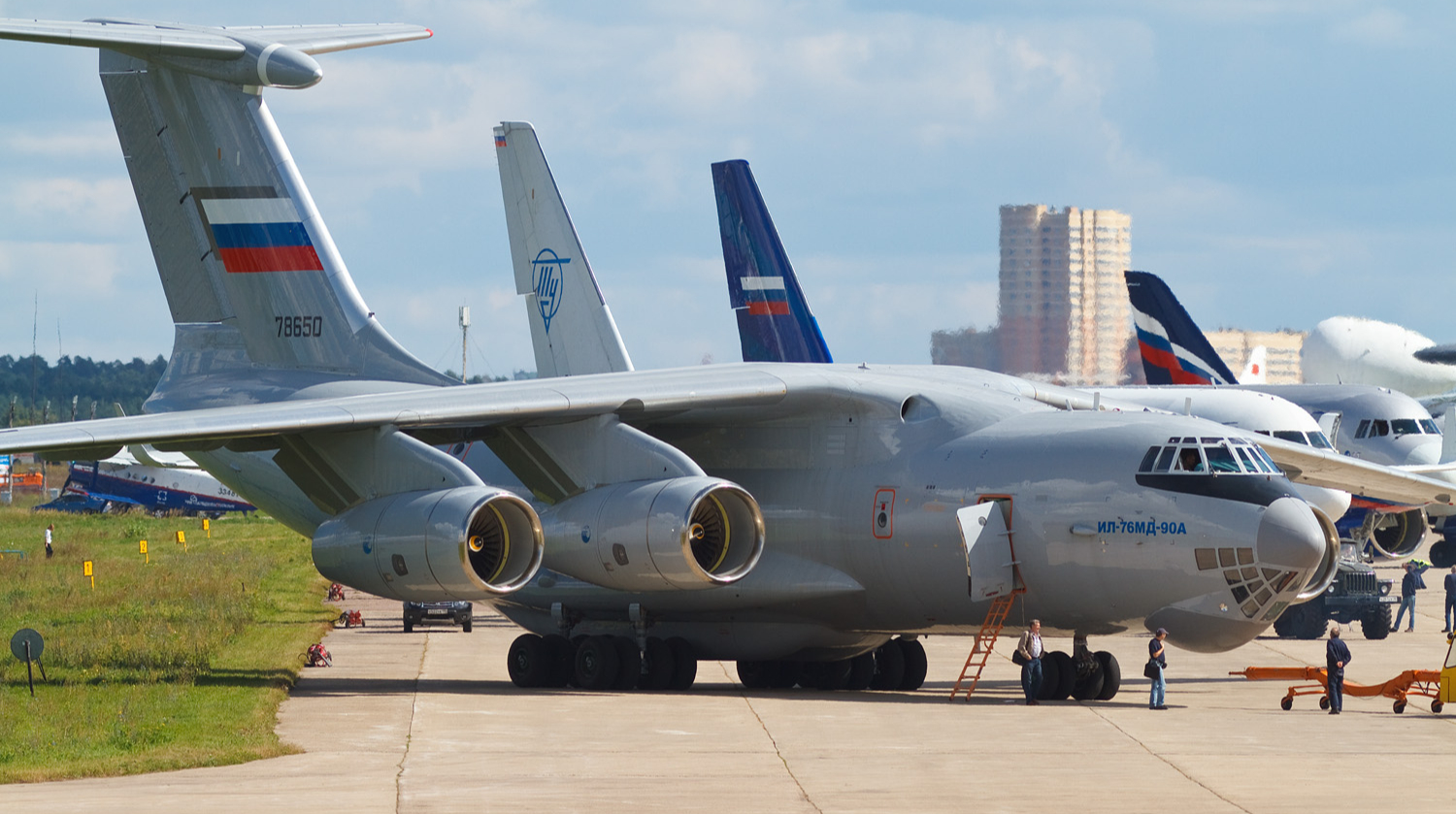
Ukraine's Defence Intelligence (DIU) reports that Russia has been forced to buy aviation fuel abroad after strikes by Ukrainian forces reduced its domestic kerosene output. According to DIU, Russia has temporarily banned exports of aviation fuel and purchased a batch of Jet A-1 kerosene, a Western grade equivalent to the Russian and Soviet TS-1 and RT fuels used in jet engines.
DIU said the imported fuel is compatible with a wide range of Russian military aircraft, including the MiG-29, Su-34, Su-35S, Su-30SM, Su-57, Su-24M and Tu-95MS. It can also power Geran-4 and Geran-5 jet-propelled attack drones, which use Telefly TJ2000A turbojet engines or Russian-made copies known as TRD-2000.
Deliveries and vessels involved
DIU says it has documentary evidence that Jet A-1 fuel is already being used in Il-76MD-90A military transport aircraft, even though the manufacturer of their PS-90A-76 engines recommends only Russian TS-1 fuel.
Russia has purchased at least 70,000 tonnes of aviation fuel from South Korea and Egypt, delivered aboard three so-called shadow fleet tankers — Hanna, Capibara and the Russian-flagged Astoria, the last of which is sanctioned by the UK, Ukraine, Australia, the EU, Switzerland and Canada. The vessels sailed to ports in St Petersburg and Vladivostok.
In early August 2026, the Astoria delivered 11,000 tonnes of Jet A-1 fuel from Ulsan, South Korea, to Russia's sanctioned Independent Petroleum Company, which supplies the Russian Armed Forces and the Federal Security Service. The remaining 59,000 tonnes arrived from Egypt's El Dekheila port aboard two other tankers.
The report follows earlier disclosures of damage to a Russian Tu-95MS strategic bomber after a Ukrainian strike on the Engels-2 airfield on 28 August, and DIU's earlier publication naming 79 companies involved in producing Russia's Su-35S fighter jets.

/nginx/o/2026/08/30/17885330t1h57ed.jpg)