Russians Rush to Cash as Digital Ruble Rollout Nears — How Worried Should the Kremlin Be?
Russian households and businesses have added 2.1 trillion rubles to their cash holdings this year, the largest increase since the war began, driven by communication outages, deposit fears and tax avoidance.
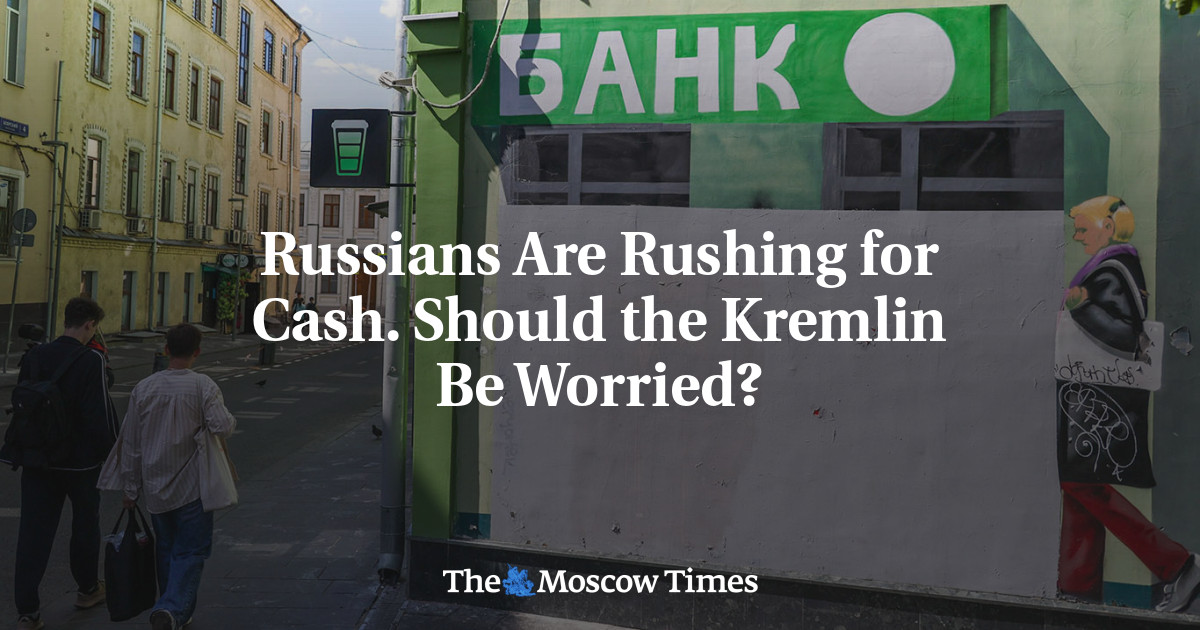
As Russia's Central Bank prepares to launch the digital ruble, ordinary Russians are increasingly turning to an old-fashioned alternative: physical cash. This year households and businesses have added 2.1 trillion rubles, or about $25.3 billion, to their cash holdings — the largest such increase since the start of the war in Ukraine, surpassing even the amount added during the turbulent first eight months of 2023. Sberbank projects that cash in circulation could grow by 3.8 trillion rubles over 2026, which would mark the largest annual increase on record.
Jammed Signals and Deposit Anxiety
One driver is simple practicality. Since February, Russia has routinely jammed mobile signals to counter Ukrainian drone attacks, which has also disabled card terminals and banking apps, forcing residents to rely on cash for everyday purchases. Public anxiety is another factor: Communist Party leader Gennady Zyuganov suggested in June that the 67 trillion rubles Russians hold in deposits should be redirected toward manufacturing or the war effort, unsettling savers despite official assurances that deposits are safe. Meanwhile, rumors of a new mobilization wave have prompted some Russians to consider leaving the country, which requires withdrawing cash since Russian bank cards no longer work abroad.
Businesses Avoiding Taxes
Businesses are contributing to the trend as well, largely to sidestep a VAT hike from 20% to 22% introduced in January. Small shops, cafes and service providers increasingly request cash payments, sometimes offering discounts to avoid electronic transactions. This is expanding Russia's informal economy, already estimated at around 11% of GDP, and fueling tax evasion, with tax-related offenses up 17% year-over-year in the first half of 2026. Analysts warn that cash leaving the banking system could create liquidity pressures, potentially forcing the Central Bank to intervene. Still, the percentage growth in cash circulation roughly matches 2023 levels and remains well below the spike seen during the COVID-19 pandemic, leading some economists to describe the trend as unremarkable overall — partly explained by falling interest rates, which have reduced the appeal of keeping money in savings accounts.