Bank of Russia cuts rate to 14.25% as fuel crisis and war costs fuel inflation risks
Russia's central bank lowered its key interest rate to 14.25% on Friday, less than analysts expected, citing pro-inflationary risks from higher budget spending and a fuel crisis caused by Ukrainian drone strikes on refineries.
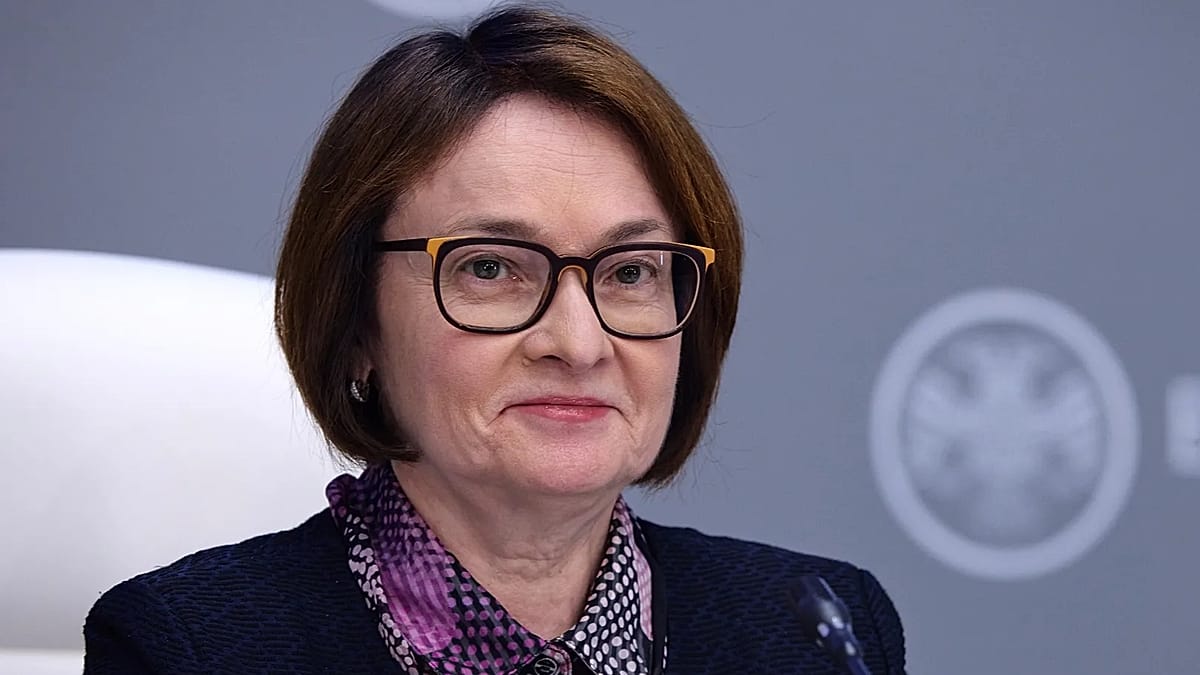
The Bank of Russia cut its key interest rate to 14.25% from 14.5% on Friday, a smaller reduction than analysts had anticipated. The decision comes amid economic challenges linked to rising war spending in Ukraine, Western sanctions, and a fuel crisis triggered by Ukrainian drone strikes on Russian oil infrastructure.
At a press conference, central bank chief Elvira Nabiullina, appearing publicly for the first time since early June after an illness, indicated that monetary policy is unlikely to ease soon. She said rates may stay elevated for longer due to "pro-inflationary risks" from higher-than-expected budget spending over the next three years, describing it as a "more expansionary fiscal policy."
Nabiullina pointed to rising petrol prices as a key factor behind the modest rate cut. "Rising petrol prices may also affect inflation expectations, as this is a highly sensitive commodity both for people and for companies," she said, linking Ukraine's air campaign directly to Russia's economic problems.
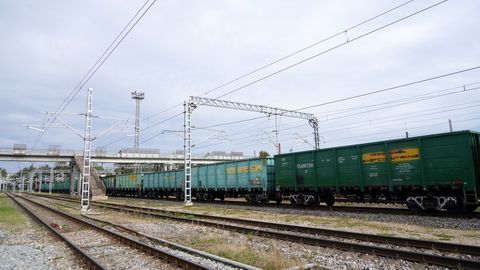
In recent months, Ukraine has stepped up drone strikes on Russian oil refineries, ports, and tankers, disrupting the fuel market. Some petrol stations have introduced fuel rationing. In May, Russia's oil production fell to its lowest level in a year amid intensifying attacks. At least 53 regions experienced petrol shortages. On the night of June 18, nearly 200 Ukrainian drones struck Moscow and the Moscow region, the largest attack on the capital since the full-scale war began. Footage of an explosion at a refinery in southeastern Moscow went viral.
On Saturday, the business daily Kommersant reported a sharp rise in petrol prices: in the Moscow region, fuel rose by more than 3 roubles per litre, compared to previous average increases of 0.1–1 rouble. Experts quoted by Kommersant cited "reduced fuel supply, unscheduled refinery maintenance, increased seasonal demand, and panic buying" as causes, without mentioning Ukraine's retaliatory strikes. Petrol stations not owned by the nine largest Russian oil companies have been forced to buy "more expensive Belarusian petrol."
Since last year, the central bank has cut rates cautiously as signs of economic slowdown emerged. In the first quarter, the Russian economy contracted for the first time in three years, hit by high interest rates and labour shortages. Analysts had expected a sharper cut to 14%. Russian business associations called for a 1 percentage point cut to 13.5% to prevent the economy from "freezing completely." High rates are pressuring businesses: large companies are shedding staff and seeking state support, while small firms are closing.
According to Bloomberg, Russia's budget deficit for the first five months of 2026 has reached 6 trillion roubles (€61–62 billion), or 2.6% of GDP, exceeding the planned annual level by 60%. The government plans to increase military spending by a further 4–5 trillion roubles (€41–52 billion). At the St Petersburg International Economic Forum, President Vladimir Putin rejected claims of economic collapse, saying GDP growth had "only fallen to the level of eurozone countries."