Russian Regions Introduce Odd-Even Gasoline Rationing
At least six Russian regions have implemented odd-even gasoline rationing based on license plates as fuel shortages persist due to Ukrainian drone strikes on oil refineries. The restrictions limit fuel purchases to alternate days depending on whether the plate number starts with an odd or even digit.
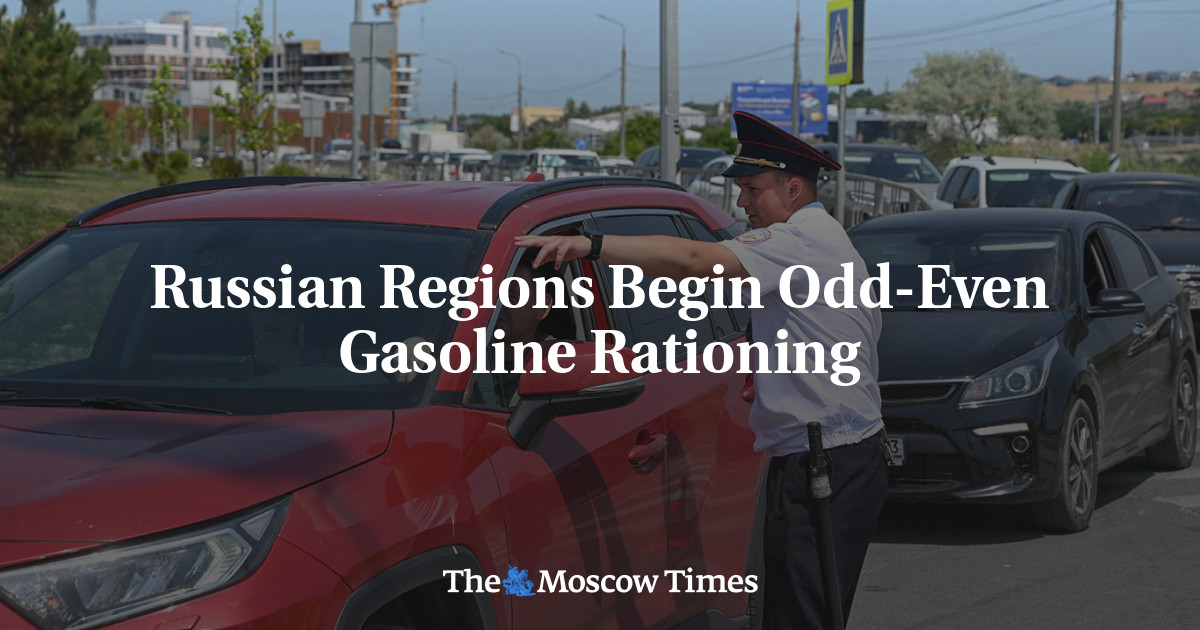
According to reports from Meduza and The Moscow Times, at least six Russian regions have adopted an odd-even gasoline purchase scheme. The Oryol region was the first to introduce the system last month. The Nizhny Novgorod region, the Republic of Mordovia, and the city of Astrakhan joined on Thursday, followed by the Pskov region on Friday, and the Lipetsk and Kirov regions, where restrictions took effect on Saturday. Reports indicate that the Ivanovo, Tambov, and Yaroslavl regions are also considering similar measures.
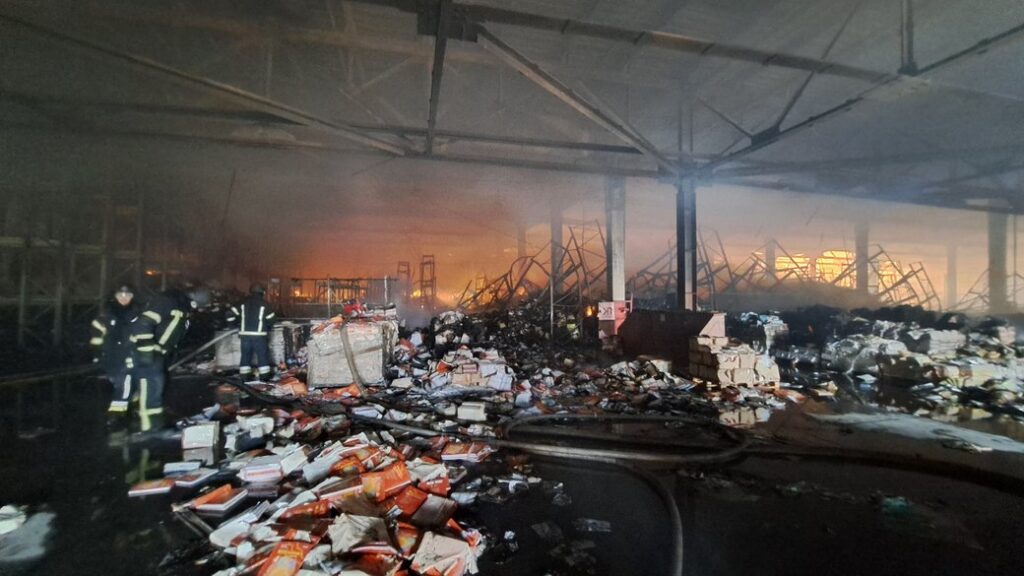
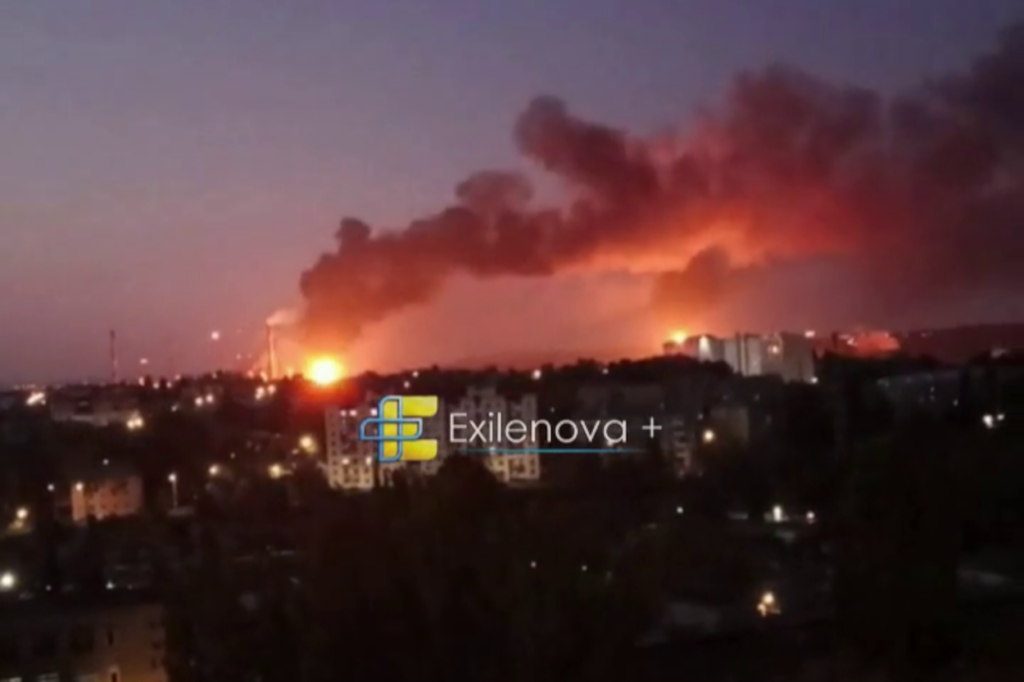
Under the rationing system, drivers with license plates starting with an odd digit can buy gasoline on odd-numbered days of the month, while those with plates starting with an even digit (including zero) are restricted to even-numbered days. The shortages stem from Ukrainian drone attacks on Russian oil refineries since spring, which have halted or scaled back production at facilities accounting for a large share of Russia's gasoline output. This has led to fuel shortages across the country and rising prices.
In June, President Vladimir Putin acknowledged that Russia faces a "certain shortage" of fuel due to the attacks. In response, Russia imposed temporary export bans on diesel, gasoline, and jet fuel, and began importing gasoline from Belarus and India. Industry sources told Reuters they expect supply problems to improve later in July as refineries resume operations and imports increase, but further Ukrainian attacks on energy infrastructure could worsen the situation.